


Your electric chainsaw: A Maintenance Guide from a Pro
Electric chainsaws, whether corded or cordless, have become incredibly popular for their convenience, lower noise, and zero emissions. They’re fantastic tools for homeowners, DIY enthusiasts, and even some landowners tackling lighter tasks like pruning, limbing, and cutting firewood. However, just because they don’t require gas or oil changes doesn’t mean they’re maintenance-free. In fact, neglecting a few key areas can significantly shorten your electric chainsaw’s lifespan and compromise its performance and safety.
Table Of Content
- Your electric chainsaw: A Maintenance Guide from a Pro
- Mistake #1: Neglecting Chain Sharpening and Tension
- Mistake #2: Ignoring Guide Bar Maintenance
- Mistake #3: Improper Battery and Tool Storage
- Mistake #4: Skipping Essential Cleaning (Especially Vents)
- Mistake #5: Using the Wrong Bar Oil (or None at All!)
- The Bottom Line: Consistent Care for Lasting Performance
As your trusted chainsaw professional, I’m here to walk you through the top 5 maintenance mistakes I often see, so you can avoid them and keep your electric chainsaw running safely and reliably for years to come. Let’s dive in!
Mistake #1: Neglecting Chain Sharpening and Tension
This is arguably the most common and damaging mistake, regardless of chainsaw type. A dull chain doesn’t just cut poorly; it forces your electric motor to work much harder, leading to overheating, excessive battery drain (for cordless models), and premature motor failure. It also increases the risk of kickback and makes for a frustrating, unsafe cutting experience.
- How to Avoid:
- Sharpen Regularly: Inspect your chain before and during each use. If the sawdust looks like fine powder instead of coarse chips, or if the saw needs to be forced through the wood, it’s time to sharpen. You can use a round file (check your chain’s specific file size, often 5/32″ or 3/16″), an electric sharpener, or take it to a professional.
- Maintain Proper Tension: A chain that’s too loose can derail, while one that’s too tight can put undue stress on the motor and guide bar. The chain should be snug against the guide bar, but you should still be able to pull it up slightly in the middle (just enough to see the drive links). Check tension frequently, especially when the chain is new or after prolonged use, as heat can cause it to expand.
Mistake #2: Ignoring Guide Bar Maintenance
The guide bar is where all the action happens, and it takes a beating. Over time, burrs can form on the edges, and the rail groove can become clogged with sawdust and sap. Neglecting it leads to increased friction, poor chain movement, and accelerated wear on both the bar and chain, once again straining your electric motor.
- How to Avoid:
- Clean the Groove: After each significant use, remove the chain and side cover. Use a guide bar groove cleaner or a thin flathead screwdriver to scrape out any accumulated debris from the groove.
- Remove Burrs: Use a flat file to remove any burrs that form on the guide bar’s top and bottom edges. Burrs can impede chain movement.
- Flip the Bar: Periodically (e.g., every 8-10 hours of cutting), flip your guide bar over. This distributes wear evenly on both sides, significantly extending its life.
- Lubricate Sprocket (if applicable): Some guide bars have a nose sprocket. If yours does, periodically lubricate it with a grease gun designed for chainsaw sprockets.
Mistake #3: Improper Battery and Tool Storage
This mistake primarily applies to cordless Electric Chainsaws, but tool storage affects all electric models. Batteries are sensitive to temperature extremes and improper charging habits, which can drastically reduce their capacity and overall lifespan. Poor tool storage can lead to corrosion, dust buildup, and physical damage.
- How to Avoid:
- Battery Storage: For cordless models, store your battery in a cool, dry place, away from direct sunlight and extreme temperatures. For long-term storage (over a month), charge the battery to about 30-50% capacity, not full or empty. This “storage charge” helps preserve the battery cells.
- Tool Storage: Always clean your chainsaw thoroughly before storing it. Store it in a dry, protected area, ideally in its original case or a dedicated storage bag. Keep it away from moisture, dust, and any potential impacts.
Mistake #4: Skipping Essential Cleaning (Especially Vents)
Electric motors rely on airflow to stay cool. If your chainsaw’s cooling vents, motor housing, or chain brake mechanism get clogged with sawdust, sap, and debris, the motor can overheat, leading to reduced performance and eventual failure. This also applies to the chain brake, which needs to be free of debris to function correctly in an emergency.
- How to Avoid:
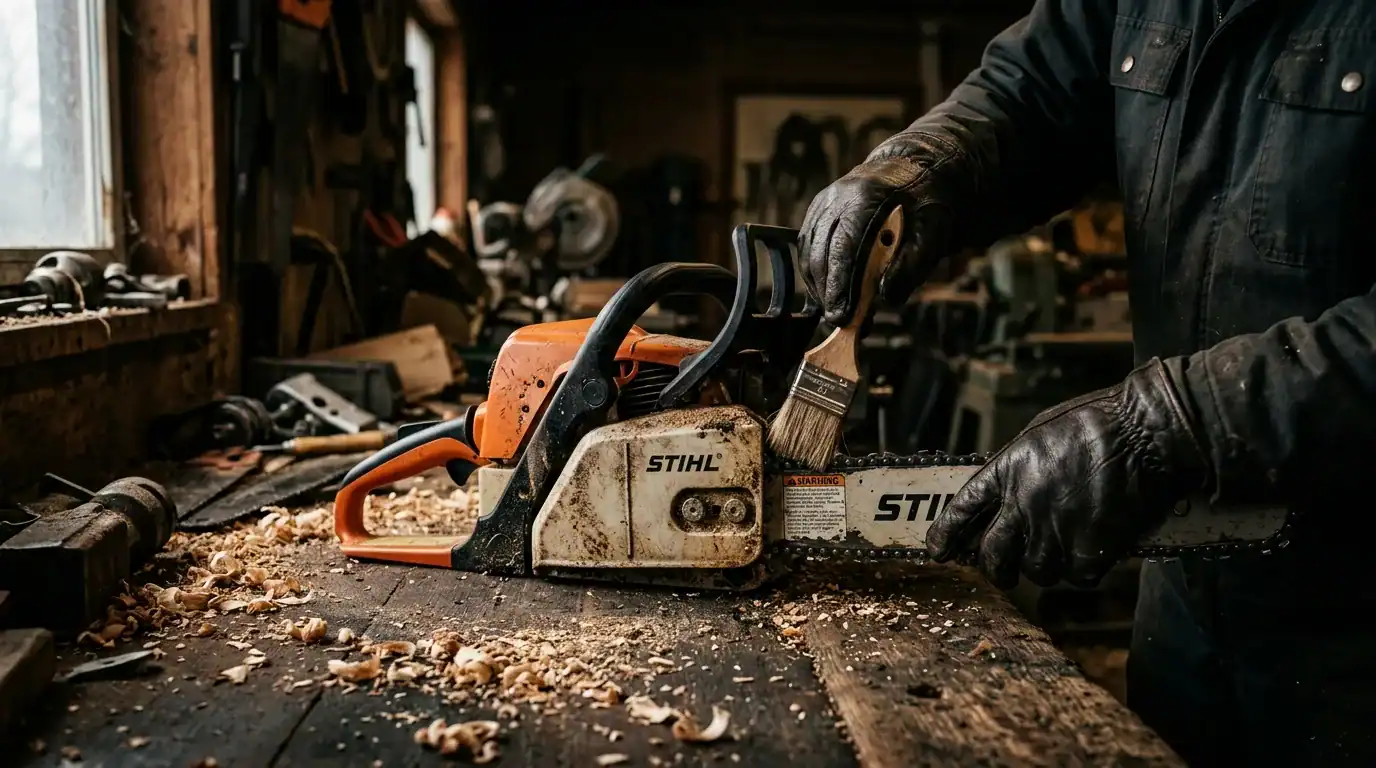
- Clean After Every Use: After each cutting session, disconnect the power (remove battery or unplug cord). Use a stiff brush or compressed air to clear sawdust and debris from the motor vents, chain brake mechanism, and around the sprocket.
- Deep Clean: Periodically, remove the side cover, chain, and guide bar to thoroughly clean the sprocket area and the internal housing where sawdust can accumulate. A damp cloth can be used for exterior grime, but avoid getting water into the motor or electrical components.
Mistake #5: Using the Wrong Bar Oil (or None at All!)
Just like gas chainsaws, electric chainsaws require continuous lubrication for the chain and guide bar. The oil reduces friction and heat, preventing premature wear of these critical components. Running your electric chainsaw without sufficient, proper bar oil is a surefire way to burn out your guide bar and chain quickly, once again putting undue stress on the motor.
- How to Avoid:
- Always Use Proper Bar and Chain Oil: Never use motor oil or other lubricants not specifically designed for chainsaws. Dedicated bar and chain oil has special tackifiers that help it stick to the chain, ensuring proper lubrication.
- Check Oil Level Constantly: Electric chainsaws have an oil reservoir and often a sight gauge. Check the oil level before starting and frequently during use. Refill as needed – it’s far better to overfill than to run dry.
- Test the Oiler: Before cutting, hold the chainsaw with the tip pointed at a light-colored surface (like cardboard) and run it at full speed for a few seconds. A thin line of oil should be visible on the surface, confirming the oiler is working.
The Bottom Line: Consistent Care for Lasting Performance
Your electric chainsaw is a powerful, convenient tool, and with just a little consistent attention, it can provide years of reliable service. By avoiding these common maintenance mistakes – sharpening your chain, caring for your guide bar, storing your battery correctly, keeping it clean, and always using the right bar oil – you’ll ensure your saw operates safely, efficiently, and lives a long, productive life. Happy cutting!