


Introduction to Chainsaws and Their Importance
As a homeowner or a professional in the forestry or landscaping industry, you understand the importance of having a reliable chainsaw. With numerous brands and models available in the market, choosing the right chainsaw can be overwhelming. In this article, we will delve into the world of chainsaws, exploring the key features, benefits, and drawbacks of three top brands: Ryobi, STIHL, and Husqvarna. We will also discuss the differences between gas-powered and battery-powered chainsaws, helping you make an informed decision when selecting the best chainsaw for your needs.
Table Of Content
- Introduction to Chainsaws and Their Importance
- Brand Overview: Ryobi, STIHL, and Husqvarna
- Ryobi Chainsaws: Affordable and Accessible
- STIHL Chainsaws: Professional-Grade Durability and Performance
- Husqvarna Chainsaws: Ergonomic Design and Powerful Gas Engines
- Gas vs Battery: Which Should You Choose?
- Comparison and Key Takeaways
When it comes to chainsaws, there are several factors to consider, including power, durability, and maintenance. You want a chainsaw that can handle your specific cutting tasks, whether it’s pruning branches, felling trees, or cutting firewood. The right chainsaw can make all the difference in your work, providing efficiency, safety, and reliability. On the other hand, a poorly chosen chainsaw can lead to frustration, accidents, and wasted time.
So, what sets Ryobi, STIHL, and Husqvarna apart from other chainsaw brands? Let’s take a closer look at each brand, exploring their unique features, strengths, and weaknesses. We will also examine the differences between gas-powered and battery-powered chainsaws, discussing the advantages and disadvantages of each type.
Brand Overview: Ryobi, STIHL, and Husqvarna
Ryobi Chainsaws: Affordable and Accessible
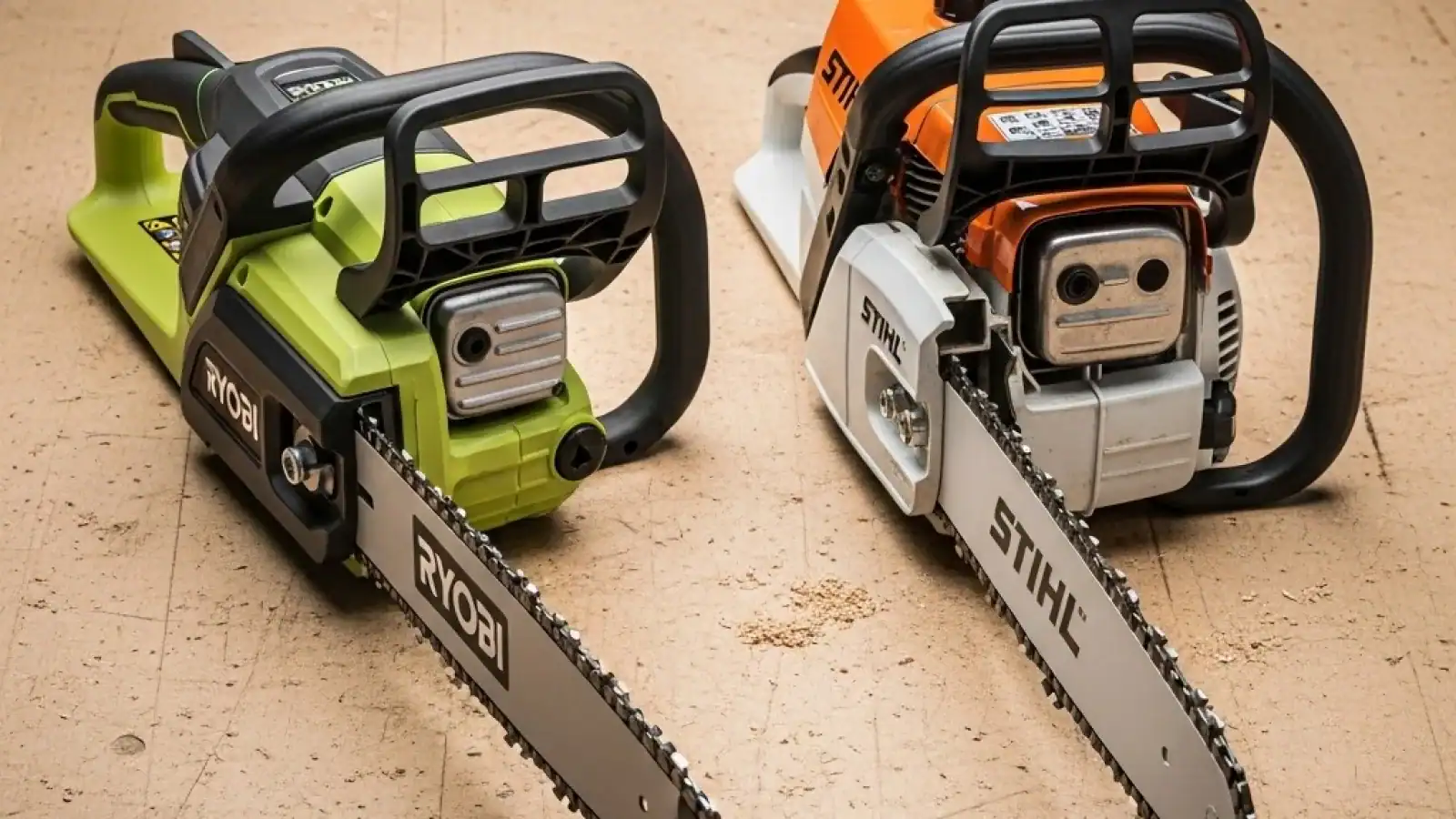
Ryobi is a popular brand among homeowners and DIY enthusiasts, offering a range of affordable and accessible chainsaws. Their chainsaws are known for their ease of use, lightweight design, and compact size, making them ideal for small to medium-sized cutting tasks. The Ryobi 40V chainsaw, for example, is a standout model that offers cordless convenience and a affordable price point.
However, Ryobi chainsaws are not without their limitations. They are generally less durable than STIHL or Husqvarna Chainsaws, making them less suitable for heavy-duty cutting tasks. Additionally, Ryobi chainsaws may not have the same level of power or cutting speed as their more expensive counterparts. Nevertheless, Ryobi chainsaws are a great option for homeowners who need a reliable and affordable chainsaw for occasional use.
Ryobi chainsaws are widely available at big-box stores, making them easily accessible to consumers. They also offer a range of accessories and replacement parts, including bars, chains, and batteries. With their affordable prices and convenient features, Ryobi chainsaws are a great choice for those on a budget.
STIHL Chainsaws: Professional-Grade Durability and Performance
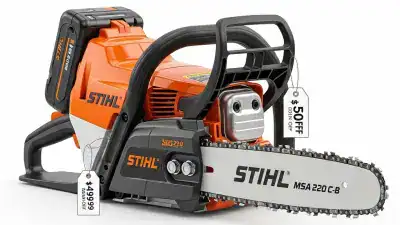
STIHL is a well-respected brand in the chainsaw industry, known for their professional-grade durability and performance. Their chainsaws are designed for heavy-duty cutting tasks, including logging, forestry, and landscaping. STIHL chainsaws are built with high-quality materials and are designed to withstand the rigors of frequent use.
STIHL offers a range of chainsaws, including gas-powered and battery-powered models. Their gas-powered chainsaws are known for their powerful engines and high cutting speeds, making them ideal for demanding cutting tasks. The STIHL battery-powered chainsaws, on the other hand, offer a more environmentally friendly and quieter alternative, with the same level of performance and reliability.
STIHL chainsaws are generally more expensive than Ryobi chainsaws, but they offer a higher level of quality and durability. They are also backed by a strong dealer network, providing excellent customer support and service. With their professional-grade features and performance, STIHL chainsaws are a top choice among professionals and serious DIY enthusiasts.
Husqvarna Chainsaws: Ergonomic Design and Powerful Gas Engines
Husqvarna is another well-known brand in the chainsaw industry, offering a range of high-quality chainsaws that compete directly with STIHL. Their chainsaws are designed with ergonomic features, including comfortable handles and intuitive controls, making them easy to use and maneuver. Husqvarna chainsaws are also known for their powerful gas engines, which provide high cutting speeds and efficient performance.
Husqvarna chainsaws are popular among professionals and serious DIY enthusiasts, who appreciate their durability and reliability. They offer a range of chainsaws, including gas-powered and battery-powered models, each designed to meet specific cutting needs. The Husqvarna chainsaws are also backed by a strong warranty and excellent customer support, providing peace of mind for users.
Husqvarna chainsaws are generally priced similarly to STIHL chainsaws, offering a high level of quality and performance. They are a great choice for those who need a reliable and powerful chainsaw for heavy-duty cutting tasks. With their ergonomic design and powerful gas engines, Husqvarna chainsaws are a top choice among professionals and serious DIY enthusiasts.
Gas vs Battery: Which Should You Choose?
When it comes to chainsaws, one of the most important decisions you’ll make is whether to choose a gas-powered or battery-powered model. Both types have their advantages and disadvantages, and the right choice for you will depend on your specific cutting needs and preferences.
Gas-powered chainsaws are known for their high cutting speeds and efficient performance, making them ideal for heavy-duty cutting tasks. They are also generally more powerful than battery-powered chainsaws, providing more torque and cutting capacity. However, gas-powered chainsaws are often noisier, heavier, and more expensive to maintain than battery-powered chainsaws.
Battery-powered chainsaws, on the other hand, offer a more environmentally friendly and quieter alternative. They are generally lighter and easier to maneuver than gas-powered chainsaws, making them ideal for smaller cutting tasks and residential use. Battery-powered chainsaws are also often less expensive to maintain and operate, with lower fuel costs and fewer emissions.
Comparison and Key Takeaways
So, how do Ryobi, STIHL, and Husqvarna chainsaws compare? Here are some key takeaways to consider:
- Ryobi chainsaws are affordable and accessible, but may lack the durability and power of STIHL or Husqvarna chainsaws.
- STIHL chainsaws are known for their professional-grade durability and performance, but may be more expensive than Ryobi chainsaws.
- Husqvarna chainsaws offer ergonomic design and powerful gas engines, but may be priced similarly to STIHL chainsaws.
- Gas-powered chainsaws are ideal for heavy-duty cutting tasks, but may be noisier and more expensive to maintain than battery-powered chainsaws.
- Battery-powered chainsaws are a more environmentally friendly and quieter alternative, but may lack the power and cutting speed of gas-powered chainsaws.
Ultimately, the right chainsaw for you will depend on your specific cutting needs and preferences. By considering the key features, benefits, and drawbacks of each brand and type, you can make an informed decision and choose the best chainsaw for your needs.