
Mini Chainsaw Buyer’s Guide: Choosing the Right Tool for Small Tasks
Hello fellow outdoor enthusiasts! As an experienced outdoor power equipment specialist, I’ve seen countless tools come and go, but one category that’s truly taken off for homeowners and DIYers is the mini chainsaw. These compact powerhouses are fantastic for a variety of small tasks around your property, making jobs that once required hand saws or awkward full-size chainsaws much easier and safer.
Table Of Content
- Mini Chainsaw Buyer’s Guide: Choosing the Right Tool for Small Tasks
- What Exactly is a Mini Chainsaw?
- Why Choose a Mini Chainsaw?
- Key Considerations When Buying Your Mini Chainsaw
- 1. Power Source: Cordless (Battery) vs. Corded Electric
- 2. Bar Length
- 3. Motor Type: Brushed vs. Brushless
- 4. Weight & Ergonomics
- 5. Safety Features
- 6. Chain Type & Tensioning
- 7. Brand Reputation & Warranty
- Common Uses for Your Mini Chainsaw
- Essential Maintenance for Your Mini Chainsaw
- Safety First!
- Conclusion
But with so many options now available, how do you choose the right one? Let’s dive into everything you need to consider to make an informed decision.
What Exactly is a Mini Chainsaw?
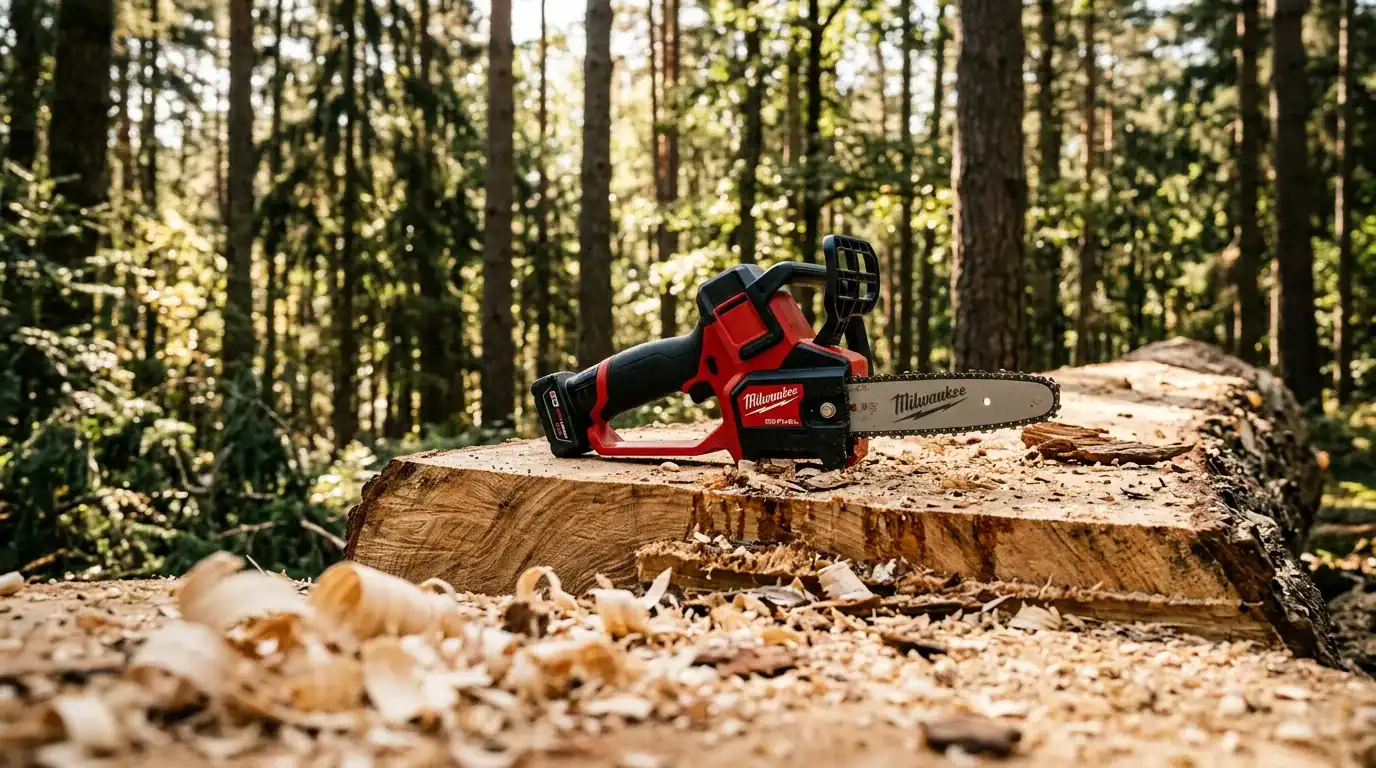
A mini chainsaw, often called a handheld chainsaw, pruning saw, or cordless electric pruning shear, is essentially a smaller, lighter version of a traditional chainsaw. Designed for portability and ease of use, they typically feature shorter guide bars (commonly 4 to 10 inches) and are often battery-powered. They’re not built for felling large trees or cutting thick logs, but excel at tasks where a full-size chainsaw would be overkill or unwieldy.
Why Choose a Mini Chainsaw?
- Portability & Lightweight: Most can be operated with one hand, reducing fatigue and allowing access to tight spots.
- Ease of Use: Simpler to start and operate than gas models, often just a press of a button or squeeze of a trigger.
- Reduced Fatigue: Their light weight means you can work longer without getting tired.
- Safety for Specific Tasks: While all chainsaws require caution, their smaller size can make them less intimidating and safer for delicate pruning or light limbing compared to a larger, heavier saw.
- Environmentally Friendly (Electric): No emissions, quieter operation.
Key Considerations When Buying Your Mini Chainsaw
Here’s what to look for to ensure you pick the best tool for your needs:
1. Power Source: Cordless (Battery) vs. Corded Electric
- Cordless (Battery-Powered): This is the most popular choice for mini chainsaws due to ultimate portability. You’re not tied to an outlet, making them perfect for working anywhere in your yard. Look at battery voltage (V) and amp-hours (Ah). Higher voltage (e.g., 40V, 60V) generally means more power, while higher Ah (e.g., 2.0Ah, 4.0Ah) means longer run time. A 20V 2.0Ah model is fine for quick pruning, but a 40V 4.0Ah will offer more sustained power for slightly larger tasks.
- Corded Electric: These offer continuous power without worrying about battery life, as long as you have an extension cord. They’re typically lighter than battery models without the battery pack. Great for tasks close to a power source, like cutting kindling in the garage.
2. Bar Length
The guide bar length dictates the maximum cutting diameter. For mini chainsaws, common lengths range from 4 inches to 10 inches.
- 4-6 inches: Ideal for very light pruning, trimming small shrubs, and cutting kindling. Think pencil-thin to wrist-thick branches.
- 8-10 inches: Suitable for thicker branches (up to 6-8 inches in diameter), small limbing, and light storm cleanup. This range offers a good balance of power and maneuverability for most homeowners.
3. Motor Type: Brushed vs. Brushless
- Brushless Motors: These are more efficient, run cooler, offer more power, and have a longer lifespan than brushed motors. They’re worth the extra cost if you plan on frequent use or need more robust performance.
- Brushed Motors: More affordable, but less efficient and can wear out faster. Fine for occasional, very light tasks.
4. Weight & Ergonomics
Since portability is a key benefit, weight is critical. Most mini chainsaws weigh between 2-5 pounds (with battery). Test how it feels in your hand – is it balanced? Is the grip comfortable? Some models are designed for true one-handed use, which is a major convenience for pruning.
5. Safety Features
Even small chainsaws demand respect. Look for:
- Handguard: Protects your hand from flying debris and the chain.
- Safety Switch: Prevents accidental starts.
- Low Kickback Chain & Bar: Reduces the risk of kickback, where the saw unexpectedly jerks upwards and backwards.
- Chain Brake: Stops the chain instantly in case of kickback or loss of control (though less common on very small models, still a great feature).
6. Chain Type & Tensioning
Most mini chainsaws use a low-profile chain for smoother cuts and reduced kickback. Check how the chain is tensioned. Tool-less tensioning (a knob or lever) is incredibly convenient, while models requiring a wrench can be a bit more fiddly.
7. Brand Reputation & Warranty
Stick with reputable brands that offer good customer support and a solid warranty. While browsing Best Professional Chainsaw, you’ll find reviews and insights into brands known for quality outdoor power equipment, even in the mini chainsaw category.
Common Uses for Your Mini Chainsaw
- Pruning: Trimming hedges, bushes, and small tree branches.
- Limbing: Removing smaller limbs from fallen trees or those you’ve felled.
- Cutting Kindling & Small Firewood: Perfect for preparing logs for fire pits or wood stoves.
- DIY Projects: Cutting lumber for small construction or craft projects.
- Garden Cleanup: Quickly breaking down yard waste into manageable pieces.
Essential Maintenance for Your Mini Chainsaw
Keeping your mini chainsaw in top shape ensures safety and longevity:
- Keep the Chain Sharp: A sharp chain cuts efficiently and reduces strain on the motor and operator. Learn to sharpen it yourself with a file or take it to a professional.
- Check Bar Oil: Many mini chainsaws have an automatic oiler, but some require manual application. Always ensure the bar and chain are properly lubricated.
- Clean Regularly: Remove sawdust, sap, and debris from the bar groove, chain, and motor vents after each use.
- Battery Care (for cordless models): Store batteries in a cool, dry place and avoid fully discharging them before recharging. Follow manufacturer guidelines.
- Check Chain Tension: A properly tensioned chain should be snug but still allow you to pull it along the bar with a gloved hand.
Safety First!
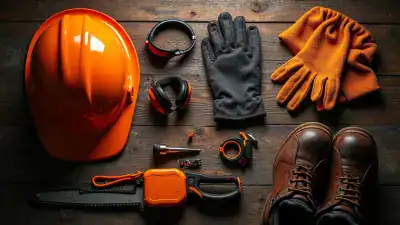
No matter how small the chainsaw, safety is paramount. Always wear:
- Safety Glasses or Face Shield: To protect against chips and sawdust.
- Gloves: For grip and protection.
- Hearing Protection: Even electric models can be noisy.
- Sturdy Footwear: To maintain balance.
Always be aware of your surroundings, ensure what you’re cutting is stable, and never cut above shoulder height. Read your owner’s manual thoroughly before operation.
Conclusion
A mini chainsaw is a fantastic addition to any homeowner’s tool arsenal, offering convenience and efficiency for a multitude of small tasks. By considering the power source, bar length, safety features, and overall ergonomics, you can confidently choose a model that will serve you well for years to come. Happy cutting, and remember to stay safe out there!