
Why an Integrated Chainsaw Helmet System is Non-Negotiable
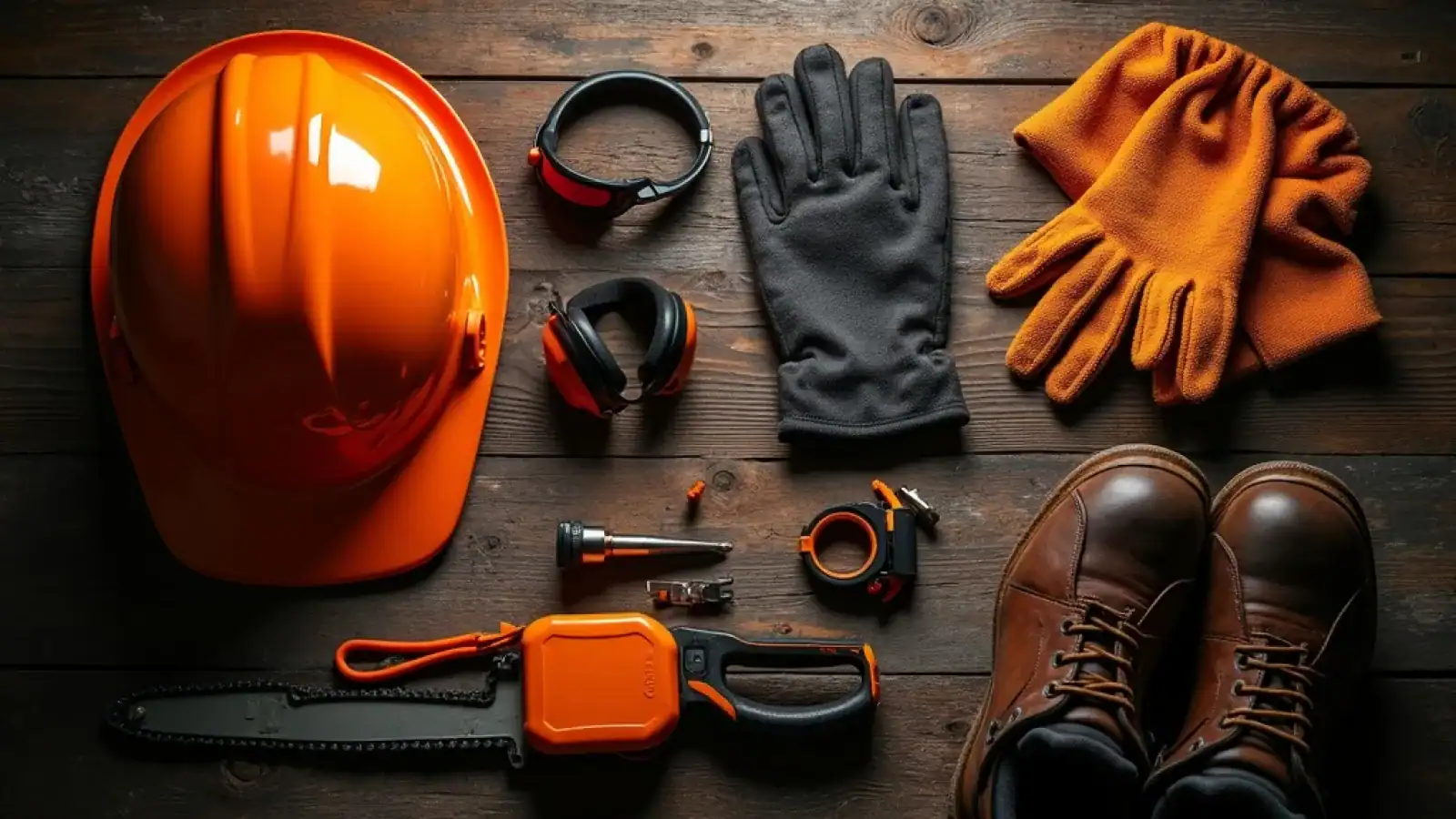
As an experienced outdoor power equipment specialist, I can’t stress this enough: safety comes first when operating a chainsaw. Flying wood chips, loud engine noise, and the risk of falling debris are inherent dangers. That’s why a high-quality chainsaw helmet with integrated hearing and face protection isn’t just a recommendation; it’s an absolute necessity. Forget juggling separate ear muffs, safety glasses, and a hard hat – an integrated system offers superior protection, comfort, and convenience, ensuring you can focus on the cut, not your gear.
Table Of Content
- Why an Integrated Chainsaw Helmet System is Non-Negotiable
- The Pillars of Protection: What to Look For
- Head Protection: The Helmet Shell
- Hearing Protection: Protecting Your Ears
- Face Protection: Clear Vision, Safe Face
- Comfort and Adjustability: Wear It All Day
- Our Top Picks: Expert-Recommended Chainsaw Helmet Systems
- Husqvarna Technical Forest Helmet
- Stihl Function Universal Helmet
- 3M Peltor G3000 Forestry Helmet
- Making Your Choice: What to Consider Before Buying
- Caring for Your Helmet: Maintenance Tips
- Stay Safe Out There
The Pillars of Protection: What to Look For
Not all helmet systems are created equal. Here’s what truly sets the best apart:
Head Protection: The Helmet Shell
- Material: Look for helmets made from high-impact ABS plastic or HDPE (High-Density Polyethylene). These materials are designed to absorb and distribute impact force effectively.
- Certifications: This is crucial. Ensure the helmet meets recognized safety standards like ANSI Z89.1 (American National Standards Institute) in the U.S. or CSA Z94.1 in Canada. These certifications guarantee the helmet has passed rigorous tests for impact, penetration, and electrical insulation (if applicable).
- Ventilation: Especially for long work sessions, good ventilation prevents overheating and discomfort. Look for adjustable vents.
Hearing Protection: Protecting Your Ears
Chainsaws produce noise levels well above 100 decibels (dB), which can cause permanent hearing damage in minutes. Integrated ear muffs are essential:
- Noise Reduction Rating (NRR): This number indicates how much noise the ear protection can reduce. For chainsaw work, aim for an NRR of 25 dB or higher. A higher number means greater protection.
- Comfort: Padded ear cups with a good seal are vital for both effectiveness and wearability. They should fit snugly without excessive pressure.
Face Protection: Clear Vision, Safe Face
Your face is vulnerable to flying debris, sawdust, and kickback.
- Mesh Visor: The most common type for chainsaw work. Steel or nylon mesh visors offer excellent airflow, preventing fogging, and provide good protection against larger chips. The downside is they don’t stop very fine dust.
- Polycarbonate Visor: Offers superior protection against fine dust and liquids, and provides clearer vision. However, they can fog up and scratch more easily. Some premium models offer anti-fog and anti-scratch coatings.
- Adjustability: The visor should be easily flippable up and down, and stay securely in position.
Comfort and Adjustability: Wear It All Day
An uncomfortable helmet is one you won’t wear consistently. Look for:
- Adjustable Suspension System: A ratchet or pin-lock system allows for a custom fit to your head size.
- Padded Harness: Enhances comfort and reduces pressure points.
- Balanced Weight: While protection adds weight, a well-balanced helmet feels lighter and reduces neck strain.
Our Top Picks: Expert-Recommended Chainsaw Helmet Systems
Based on years of experience and feedback, here are some top-rated integrated helmet systems that consistently perform well:
Husqvarna Technical Forest Helmet
A benchmark in the industry, the Husqvarna Technical helmet is a perennial favorite. It features a high-visibility orange shell, a durable stainless steel mesh visor, and excellent hearing protection (often NRR 25-27 dB). The adjustable 6-point suspension system and multiple ventilation ports ensure comfort during long hours. It’s well-balanced and designed specifically for forestry and chainsaw work, making it incredibly practical for landowners and professionals alike.
Stihl Function Universal Helmet
Stihl, another giant in the chainsaw world, offers a very comparable and highly effective helmet. The Function Universal helmet typically includes a lightweight yet robust shell, a steel mesh visor, and ear protection with a solid NRR of 24-25 dB. It’s known for its comfortable fit, good adjustability, and overall durability, providing reliable protection for a wide range of cutting tasks.
3M Peltor G3000 Forestry Helmet
While often seen in industrial settings, the 3M Peltor G3000 is an excellent choice for chainsaw users seeking a high-quality, robust system. It features a UV-stabilized ABS shell, a comfortable adjustable harness, and excellent ear protection (often NRR 26-27 dB). Many configurations come with a mesh visor, or you can opt for a clear polycarbonate visor for specific needs. It’s known for its robust build and modularity, allowing for customization.
Making Your Choice: What to Consider Before Buying
- Frequency of Use: If you’re a homeowner making occasional cuts, a more basic but certified model might suffice. For regular, heavy-duty work, invest in a premium system with greater comfort and durability.
- Type of Work: Are you mostly bucking logs, or doing more complex limbing and felling? This might influence your visor choice (mesh for general, polycarbonate for fine dust).
- Budget: While safety is priceless, helmets range in price. Set a realistic budget, but don’t compromise on certifications and essential features.
- Try it On: If possible, try the helmet on before purchasing. Check for a snug, comfortable fit that doesn’t pinch or slide around.
Caring for Your Helmet: Maintenance Tips
To ensure your helmet continues to protect you effectively:
- Inspect Regularly: Before each use, check the shell for cracks, the visor for damage, and the ear muffs for a good seal.
- Clean Gently: Use mild soap and water to clean the shell and visor. Avoid harsh chemicals that can degrade the plastic.
- Replace Components: Ear muffs pads and suspension systems can wear out. Many manufacturers offer replacement parts.
- Store Properly: Keep your helmet out of direct sunlight and extreme temperatures when not in use, as UV rays can degrade plastic over time.
- Know When to Replace: Most helmets have a recommended service life (often 3-5 years from the manufacturing date, even if unused) due to material degradation. Always replace a helmet after any significant impact, even if visible damage is minimal.
Stay Safe Out There
Investing in a top-rated chainsaw helmet with integrated hearing and face protection is one of the smartest decisions you can make as a chainsaw user. It’s not just about compliance; it’s about protecting your long-term health and preventing serious injury. Choose wisely, wear it every time you start your saw, and you’ll be well on your way to safer, more productive cutting.