

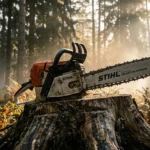
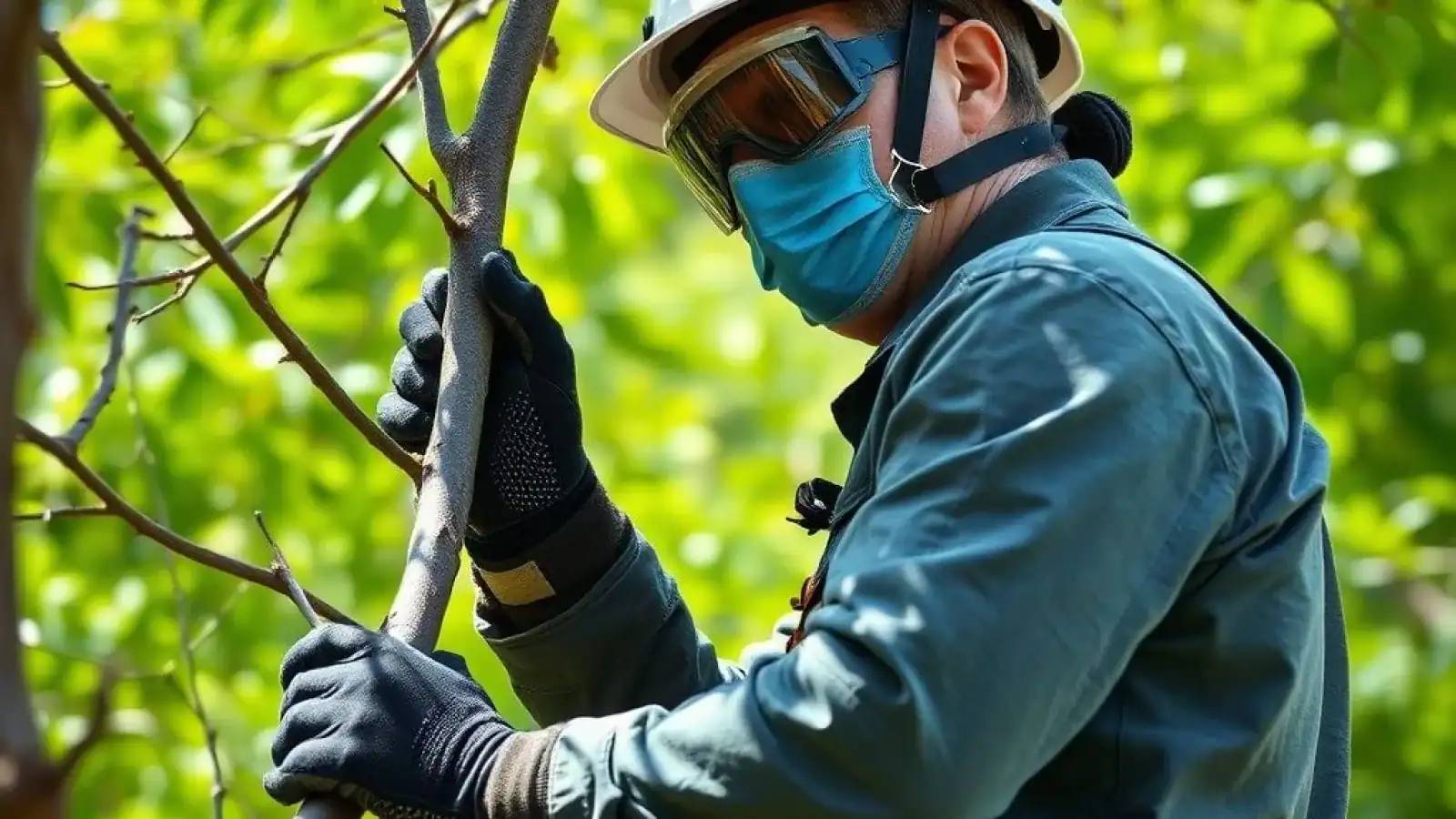

Hey there, fellow woodcutters! As an experienced outdoor power equipment specialist, I’ve seen my share of situations, and one of the most serious hazards when operating a chainsaw is kickback. It’s when the saw rapidly and unexpectedly kicks back towards the operator, often with tremendous force. Trust me, it’s not something you want to experience firsthand. But don’t worry, with the right knowledge and techniques, you can drastically reduce your risk. Let’s dive into how to keep yourself safe and your saw under control.
Table Of Content
- Understanding Chainsaw Kickback: The Danger Zone
- Essential kickback prevention Techniques
- 1. Maintain a Proper Stance and Grip
- 2. Master Your Cutting Techniques
- 3. Keep Your Chainsaw Properly Maintained
- Chainsaw Safety Features Designed for Kickback Prevention
- 1. Chain Brake
- 2. Low Kickback Chain and Guide Bar
- 3. Chain Catcher
- 4. Front Hand Guard
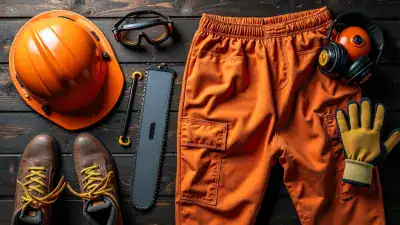
- Personal Protective Equipment (PPE) – Your Last Line of Defense
- Practice and Awareness
Understanding Chainsaw Kickback: The Danger Zone
First off, what exactly causes kickback? It happens when the moving chain at the nose or tip of the guide bar contacts a solid object, or when the wood closes in and pinches the chain in the cut. This sudden contact or pinching can cause the saw to be propelled upwards and backwards, directly towards you. The critical area is often referred to as the kickback zone, which is the upper quadrant of the guide bar tip. Avoid cutting with this part of the bar whenever possible.
Essential kickback prevention Techniques
Prevention starts with good habits and proper technique. These are your first lines of defense:
1. Maintain a Proper Stance and Grip
- Two Hands Always: Always operate your chainsaw with both hands firmly gripping the handles. Your left hand should be on the front handle, thumb wrapped underneath, and your right hand on the rear handle, thumb wrapped around. This provides maximum control.
- Balanced Stance: Stand with your feet shoulder-width apart, slightly staggered. Keep your weight balanced, ready to shift if needed. This stable stance helps absorb any unexpected movement from the saw.
- Keep Your Elbows Bent: A slight bend in your elbows allows them to act as shock absorbers, giving you more control over the saw’s movement.
2. Master Your Cutting Techniques
- Avoid the Kickback Zone: As mentioned, the tip of the guide bar is the most dangerous. Whenever possible, use the bottom or top of the bar for cutting, keeping the kickback zone clear of obstructions.
- Engage the Bucking Spikes: For felling and bucking (cutting logs into sections), pivot the saw using the bucking spikes (also known as bumper spikes). These metal teeth on the saw housing bite into the wood, providing a pivot point and stability, keeping the kickback zone away from the cutting action.
- Clear Your Work Area: Before making any cut, ensure the area around you is free of branches, debris, or anything that could snag the saw or trip you.
- Plan Your Cut: Always be aware of where the wood is likely to fall or shift. Understand wood tension and compression; cutting into compression can pinch your bar, leading to kickback. Make sure the wood is properly supported.
- Maintain Full Throttle: Always operate your chainsaw at full throttle when cutting. A high chain speed is less likely to cause kickback than a slow, dragging chain.
3. Keep Your Chainsaw Properly Maintained
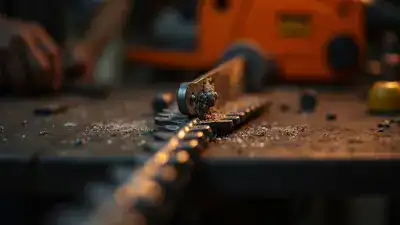
- Sharp Chain is a Safe Chain: A dull chain requires more force to cut, increasing the likelihood of kickback. Sharpen your chain regularly or replace it when necessary. A sharp chain cuts efficiently and smoothly.
- Correct Chain Tension: A loose chain can derail or snag, causing serious issues, including kickback. Check your chain tension frequently – it should be snug but still able to be pulled freely around the guide bar by hand.
- Proper Depth Gauges: The depth gauges (or rakers) on your chain control how much wood each cutter takes. If they’re too low, the chain bites too aggressively, significantly increasing kickback risk. File them correctly according to your chainsaw’s manual.
Chainsaw Safety Features Designed for Kickback Prevention
Modern chainsaws come equipped with several safety features to help mitigate kickback. Understand and utilize them!
1. Chain Brake
This is perhaps the most important safety feature. A chain brake is designed to stop the chain almost instantly if kickback occurs. It’s typically activated by inertia (a sudden forward movement of the saw) or manually by pushing the handguard forward. Always test your chain brake before each use.
2. Low Kickback Chain and Guide Bar
- Low Kickback Chains: These chains have special guard links and depth gauge designs that reduce the force of kickback. They’re often recommended for homeowners and occasional users. Examples include semi-chisel chains or those with specific safety features like anti-kickback guard links.
- Low Kickback Guide Bars: Some guide bars have a reduced radius at the tip, which minimizes the kickback zone. Look for these if you’re concerned about kickback.
3. Chain Catcher
This small projection, usually located near the rear handle, is designed to catch a broken or derailed chain, preventing it from striking the operator. While not directly for kickback prevention, it protects you if a kickback incident causes the chain to come off.
4. Front Hand Guard
This guard protects your left hand from coming into contact with the chain if your grip slips and also helps activate the chain brake in some models.
Personal Protective Equipment (PPE) – Your Last Line of Defense
Even with all the preventative measures and safety features, accidents can happen. Always wear appropriate PPE:
- Chainsaw Safety Helmet: With face shield and hearing protection.
- Chainsaw Chaps or Trousers: Designed with protective layers to stop a moving chain.
- Safety Boots: Steel-toed with good ankle support.
- Heavy-Duty Gloves: For better grip and hand protection.
Practice and Awareness
There’s no substitute for experience. If you’re new to chainsaws, start with smaller tasks and always follow the manufacturer’s instructions. Consider taking a chainsaw safety course to learn proper techniques from certified professionals. Always stay alert and focused on the task at hand.
By understanding what causes kickback, employing correct cutting techniques, maintaining your equipment, and utilizing its safety features, you can significantly reduce the risk of this dangerous occurrence. Stay safe out there, and happy cutting!