


As an experienced arborist and outdoor power equipment specialist, I’ve seen firsthand how cordless technology has revolutionized the way we approach wood cutting. Gone are the days when every job demanded a gas-guzzling, noisy, and high-maintenance machine. For homeowners, DIY enthusiasts, and even professionals seeking ultimate portability, the Makita mini chainsaw lineup has emerged as a game-changer. These compact powerhouses offer remarkable versatility, combining Makita’s legendary reliability with advanced battery technology.
Table Of Content
- Understanding Makita’s Cordless Chainsaw Ecosystem
- Key Features and What They Mean for You
- Brushless Motor Technology
- Automatic Chain Oiler and Tool-less Chain Tensioning
- Safety Features and Ergonomics
- Makita Mini Chainsaw Models: Specs, Cutting Power, and Applications
- Makita 18V LXT Mini Chainsaws (6-inch to 8-inch)
- Makita 40V max XGT Mini Chainsaws (8-inch to 10-inch)
- The 36V (Dual 18V) Option: Bridging the Gap
- Choosing the Right Makita Mini Chainsaw for Your Needs
- Assess Your Primary Tasks
- Consider Your Existing Battery Ecosystem
- Budget and Value
- Essential Accessories and Maintenance for Optimal Performance
- Maintaining Your Bar and Chain
- Battery Care and General Cleaning
- Safety First: Operating Your Makita Mini Chainsaw Responsibly
- Personal Protective Equipment (PPE)
- Safe Operating Practices
- Final Thoughts on Makita Mini Chainsaws
But with several variations available – from the nimble 18V models to the more robust 40V XGT options – how do you navigate the choices to find the perfect Makita mini chainsaw for your specific needs? It’s not just about picking the smallest or the cheapest; it’s about understanding the “specs,” appreciating the clever “features,” and matching the “cutting power” to your typical tasks. Let’s dive deep into the world of Makita’s compact cordless chainsaws, ensuring you finish this guide knowing exactly what saw will serve you best.
Understanding Makita’s Cordless Chainsaw Ecosystem
Before we dissect individual models, it’s crucial to grasp the different battery platforms Makita employs. This is the heart of their cordless power and directly impacts a saw’s performance, runtime, and compatibility with your existing tools. Makita primarily offers two distinct battery systems relevant to their mini chainsaws: the 18V LXT and the 40V max XGT platform. Additionally, some larger cordless saws bridge the gap by utilizing two 18V LXT batteries simultaneously for 36V performance.
The 18V LXT (Lithium-ion eXtreme Technology) platform is Makita’s most extensive and widely adopted battery system. If you already own Makita drills, impact drivers, or other cordless tools, chances are they run on 18V LXT batteries. This system is known for its balance of power, weight, and runtime, making it ideal for a vast array of light to medium-duty tasks. Mini chainsaws operating on the 18V LXT system benefit from a massive existing battery ecosystem, often allowing users to interchange batteries between dozens of tools, which is incredibly convenient and cost-effective.
Stepping up in power, the 40V max XGT (eXtreme Gauge Technology) platform represents Makita’s push for gas-like power and durability in a cordless format. These batteries and tools are engineered for more demanding applications, offering increased voltage, higher power output, and enhanced durability to withstand heavy use. Mini chainsaws on the 40V max XGT system are designed for users who need more cutting speed and longer sustained power for thicker branches or more intensive tasks, all while maintaining the benefits of cordless operation.
Key Features and What They Mean for You
While specific specs vary by model, Makita’s mini chainsaws share a common DNA of quality engineering and user-focused features. These aren’t just marketing buzzwords; they directly contribute to the saw’s performance, safety, and ease of use. Understanding these features will help you appreciate the value Makita brings to the table.
Brushless Motor Technology
Most modern Makita cordless chainsaws, including their mini versions, utilize a brushless motor. This isn’t just a fancy component; it’s a significant upgrade from older brushed motors. Brushless motors are more efficient, meaning they convert battery power into cutting power with less energy loss. This translates directly to longer runtime per charge and increased power for tougher cuts. Furthermore, they are more durable, require less maintenance, and run cooler and quieter, enhancing both the lifespan of the tool and your comfort during operation.
Automatic Chain Oiler and Tool-less Chain Tensioning
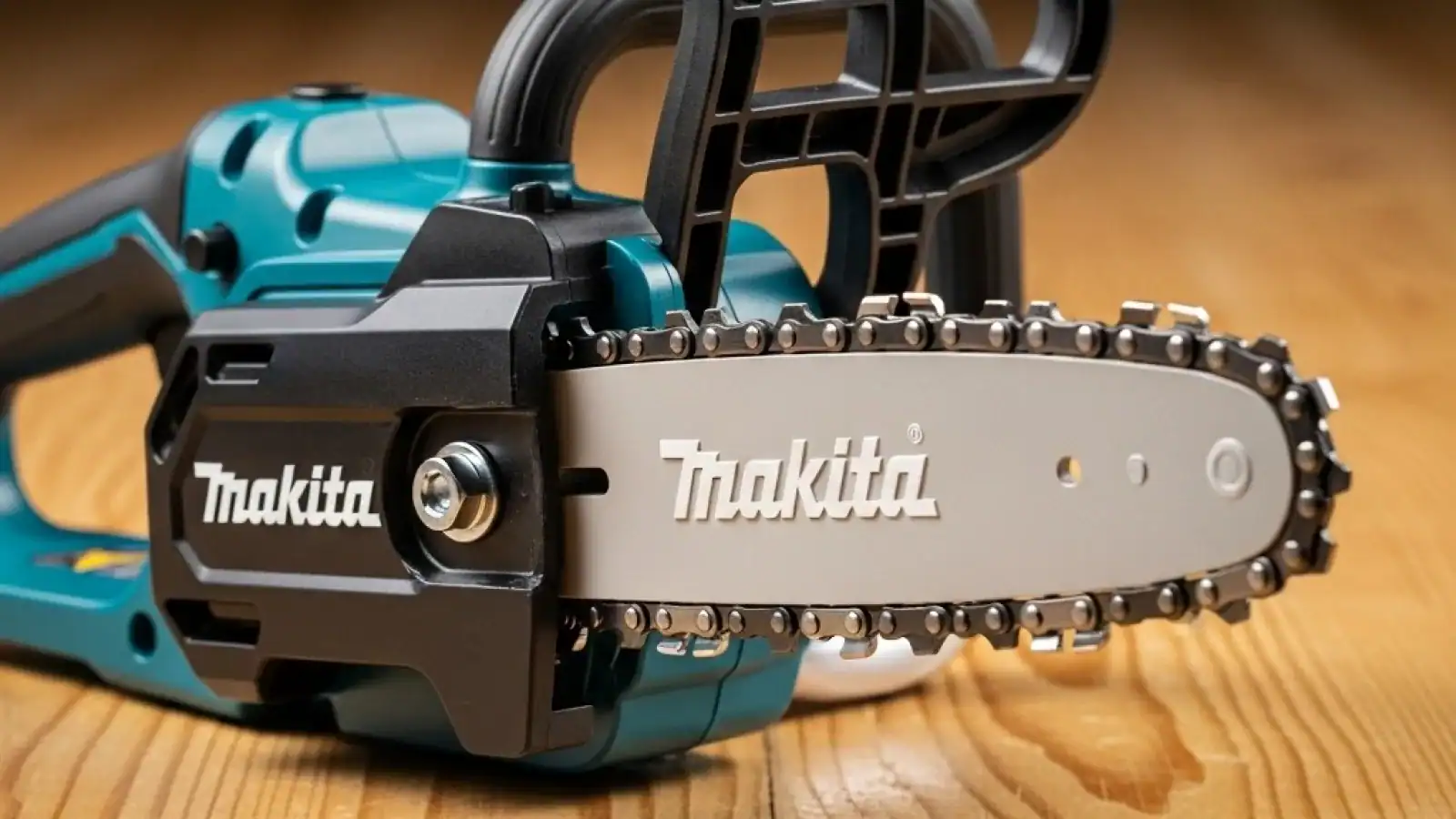
Proper lubrication is critical for any chainsaw, and Makita simplifies this with an automatic chain oiler. This system continuously feeds bar and chain oil to the chain as it spins, reducing friction, preventing premature wear, and ensuring smooth cutting. You simply fill the oil reservoir, and the saw handles the rest. Many Makita mini chainsaws also feature tool-less chain tensioning, which is a massive convenience. Instead of fumbling with a wrench and screwdriver to adjust chain tension, you can typically turn a dial or lever by hand, allowing for quick adjustments in the field and ensuring optimal chain performance and safety.
Safety Features and Ergonomics
Safety is paramount with any chainsaw, regardless of its size. Makita mini chainsaws come equipped with essential safety features such as a chain brake, which stops the chain instantly in the event of kickback or if manually engaged. A front hand guard provides an additional layer of protection, and many models include a lock-off button to prevent accidental startups. Beyond safety, Makita is renowned for its ergonomic design. These mini chainsaws are often lightweight, well-balanced, and feature rubberized soft-grip handles, significantly reducing user fatigue during extended use and improving control.
Makita Mini Chainsaw Models: Specs, Cutting Power, and Applications
Now, let’s get down to the brass tacks: what kind of power and performance can you expect from specific Makita mini chainsaw variations? We’ll look at typical bar lengths, chain speeds, and the types of tasks each is best suited for, providing concrete examples where possible. Remember, “mini” often refers to bar lengths generally under 10 inches, but sometimes slightly larger cordless saws are still considered compact.
Makita 18V LXT Mini Chainsaws (6-inch to 8-inch)
These are your go-to options for light-duty pruning, trimming, and small-scale yard work. The 18V LXT platform delivers a fantastic balance of portability and power for manageable tasks. A common example would be a model like the Makita DUC150 or DUC204 (though specific models vary by region), often equipped with a 6-inch or 8-inch guide bar.
- Bar Length: Typically 6 inches (150mm) to 8 inches (200mm). This length is perfect for reaching into dense shrubs or making precise cuts on smaller branches without the bulk of a larger saw.
- Chain Speed: Expect chain speeds in the range of 8-10 meters per second (m/s). While not as fast as a gas saw, this is more than adequate for efficiently cutting through branches up to 4-6 inches in diameter.
- Cutting Power & Applications: Ideal for homeowners needing to prune fruit trees, trim overgrown hedges, limb small fallen branches, or cut up thin firewood kindling. If you’re a gardener or a homeowner with occasional light landscaping tasks, an 18V 6-inch or 8-inch mini chainsaw is an excellent, lightweight choice. It excels at quick tasks where a larger saw would be overkill or cumbersome.
- Weight: Often under 5-6 lbs with a compact 3.0Ah or 5.0Ah battery, making it incredibly easy to handle overhead or for extended periods.
Makita 40V max XGT Mini Chainsaws (8-inch to 10-inch)
When you need a bit more muscle without sacrificing cordless convenience, the 40V max XGT mini chainsaws step up. These models bridge the gap between light pruning saws and full-sized cordless chainsaws, offering enhanced power and runtime for more demanding chores. You might find XGT compact saws with 8-inch or 10-inch bars, such as certain configurations of the GUC series (e.g., GUC02, GUC04).
- Bar Length: Commonly 8 inches (200mm) to 10 inches (250mm). This allows for cutting thicker branches, processing small logs for a fire pit, or even felling very small saplings.
- Chain Speed: Expect higher chain speeds, often in the range of 15-20 m/s. This increased speed, coupled with the higher voltage, translates to noticeably faster and smoother cutting through denser wood.
- Cutting Power & Applications: These saws are fantastic for landowners dealing with regular brush clearing, cutting medium-sized firewood (up to 6-8 inches in diameter), or tackling more substantial limbing tasks. If you find your 18V saw sometimes struggles or runs out of juice too quickly on thicker material, a 40V XGT model will provide a significant boost in performance and endurance.
- Weight: Typically slightly heavier than their 18V counterparts, often ranging from 7-9 lbs with a 2.5Ah or 4.0Ah 40V battery, but still very manageable compared to gas chainsaws.
The 36V (Dual 18V) Option: Bridging the Gap
While not strictly “mini” in the same sense as the 6-inch or 8-inch models, Makita’s 36V chainsaws (which use two 18V LXT batteries) are worth mentioning for those who need more cutting capacity while staying within the LXT battery ecosystem. Models like the DUC305, DUC355, or DUC405 often feature 12-inch to 16-inch bars. They offer power comparable to entry-level gas chainsaws, making them suitable for felling small trees or bucking larger logs. If your definition of “mini” is simply “cordless and compact enough for my property,” these could be a viable, more powerful alternative to the smaller 18V or 40V mini saws.
Choosing the Right Makita Mini Chainsaw for Your Needs
With a clear understanding of the different platforms and models, the next step is to make an informed decision. Don’t just buy the first one you see; consider your typical tasks, existing tools, and budget carefully. This advice comes from years of seeing people buy too much saw, or worse, too little for the job.
Assess Your Primary Tasks
Are you mainly pruning rose bushes, trimming small hedges, or cutting back unruly branches after a storm? A Makita 18V mini chainsaw with a 6-inch or 8-inch bar is likely your perfect match. Its lightweight design and maneuverability make quick work of these tasks, and its battery efficiency is excellent for shorter bursts of activity. You’ll appreciate its precision for delicate cuts and its ease of handling overhead.
Do you frequently cut thicker firewood for a fire pit, clear dense brush, or need to limb larger fallen branches? The increased cutting power and longer runtime of a Makita 40V max XGT mini chainsaw with an 8-inch or 10-inch bar will serve you better. It offers a noticeable boost in torque and chain speed, allowing you to slice through tougher material more efficiently without bogging down. This is the choice for the serious hobbyist or landowner who needs more than just light pruning power.
Consider Your Existing Battery Ecosystem
This is a significant factor for many users. If you’re already invested in Makita’s 18V LXT system with multiple batteries and chargers, an 18V mini chainsaw is often the most economical and convenient choice. You can swap batteries between your tools, maximizing their utility and reducing the need for additional purchases. However, if you’re starting fresh or are looking to upgrade to Makita’s most powerful cordless platform, beginning with a 40V max XGT system could be a forward-thinking move, especially if you anticipate needing other high-power cordless tools in the future.
Budget and Value
Makita mini chainsaws are typically available as “tool only” or as “kits” that include a battery and charger. The “tool only” option is great if you already have compatible batteries. For first-time buyers, a kit usually offers better value. Expect 18V models to range from $150-$250 (tool only) or $250-$350 (kit), while 40V XGT models will be in the $300-$450 range, reflecting their increased power and technology. Remember, the true value isn’t just the upfront cost, but the convenience, performance, and longevity you gain from a quality tool.
Essential Accessories and Maintenance for Optimal Performance
Owning a Makita mini chainsaw is just the first step; keeping it in top condition ensures it performs reliably and safely for years to come. Just like any precision tool, a little care goes a long way. Neglecting basic maintenance can lead to poor cutting performance, premature wear, and even safety hazards.
Maintaining Your Bar and Chain
The chain is the cutting edge of your saw, and keeping it sharp and well-tensioned is critical. Always carry a small bottle of high-quality bar and chain oil and top up the reservoir regularly. Check the chain tension before each use: the chain should be snug against the guide bar but still able to be pulled freely by hand. A loose chain can derail, while a too-tight chain can cause excessive wear and strain the motor. Learn how to sharpen your chain, or have it professionally sharpened when it starts to cut slowly or produce sawdust instead of chips. Regularly clean the guide bar groove and the oiling port to ensure proper lubrication flow.
Battery Care and General Cleaning
Your batteries are the heart of your cordless chainsaw. Always use the recommended Makita charger and store batteries in a cool, dry place, ideally at a partial charge (around 50%) if storing for extended periods. Avoid fully draining or overcharging them repeatedly, as this can shorten their lifespan. After each use, take a moment to clean your chainsaw. Remove sawdust, chips, and any sap build-up from the motor housing, chain brake, and around the bar and chain. A stiff brush and some compressed air work wonders. This prevents debris from clogging moving parts and ensures proper cooling, especially around the motor vents.
Safety First: Operating Your Makita Mini Chainsaw Responsibly
Even though mini chainsaws are smaller and often less intimidating than their gas-powered counterparts, they are still powerful cutting tools that demand respect. A moment of carelessness can lead to serious injury. Always prioritize safety, just as I would advise any professional arborist.
Personal Protective Equipment (PPE)
Before you even think about starting your saw, gear up. This isn’t optional; it’s essential. You need:
- Safety Glasses or Face Shield: To protect your eyes from flying debris.
- Hearing Protection: While cordless saws are quieter than gas, prolonged exposure to any noise can damage hearing.
- Work Gloves: For a secure grip and protection from splinters and minor cuts.
- Long Pants and Sturdy Footwear: To protect your legs and feet. Chainsaw chaps, while often associated with larger saws, are a wise consideration even for mini chainsaws if you’re doing more than very light pruning.
Never operate a chainsaw in flip-flops, shorts, or without eye protection. It’s simply not worth the risk.
Safe Operating Practices
Always hold your Makita mini chainsaw firmly with both hands, maintaining a balanced stance. Never operate it one-handed. Be aware of your surroundings: identify potential obstacles, bystanders, and clear escape routes. Plan your cuts, especially when pruning branches, to avoid kickback, which is when the chain tip hits something and forces the saw rapidly back towards you. Always make sure the branch you’re cutting is stable and won’t suddenly drop or swing back. Start with a clear work area and always engage the chain brake when moving between cuts or if you need to set the saw down, even for a moment. Finally, never work when fatigued or under the influence of anything that impairs your judgment.
Remember, a mini chainsaw is designed for smaller jobs, and pushing it beyond its limits can be dangerous. If you encounter a branch or log that feels too large or difficult for your mini saw, it’s a clear sign to step back and consider a larger tool or professional help. There’s no shame in knowing your equipment’s boundaries and prioritizing safety.
Final Thoughts on Makita Mini Chainsaws
The Makita mini chainsaw lineup offers an impressive blend of convenience, performance, and portability, making them incredibly popular for a good reason. Whether you opt for the agile 18V LXT model for precision pruning or the more powerful 40V max XGT version for tackling thicker material, you’re investing in a tool that delivers reliable cordless cutting power.
As someone who spends a lot of time with chainsaws, I genuinely appreciate the innovation Makita brings to the table. These compact saws simplify many outdoor tasks that once felt like a chore, allowing you to maintain your property efficiently and safely. By understanding the specs, leveraging the smart features, and respecting the cutting power of these machines, you’ll be well-equipped to choose the perfect Makita mini chainsaw and keep it running like a dream for years to come.