
Understanding Chainsaw Kickback
As a chainsaw user, you’re likely aware of the risks involved with operating a powerful tool like a chainsaw. One of the most significant hazards is chainsaw kickback, which can cause serious injury or even death. So, what exactly is chainsaw kickback? It occurs when the chain catches on a solid object, such as a branch or a knot, and suddenly stops, causing the saw to jerk backwards. This can happen in a split second, leaving you little time to react. According to the U.S. Consumer Product Safety Commission, chainsaw kickback is responsible for thousands of injuries each year.
Table Of Content
- Understanding Chainsaw Kickback
- Common Causes of Chainsaw Kickback
- Essential Techniques for Kickback Prevention
- Additional Safety Precautions
- Safety Features to Prevent Kickback
- Real-World Examples of Kickback Prevention
- Maintaining Your Chainsaw for Kickback Prevention
- Common Maintenance Mistakes to Avoid
- Conclusion and Final Thoughts
To put this into perspective, imagine you’re cutting a tree limb and the chain suddenly gets stuck. The saw kicks back, and before you know it, the bar is heading straight for your chest. It’s a frightening scenario, but one that can be prevented with the right techniques and safety features. As someone who’s worked with chainsaws for years, I can attest to the importance of being prepared and taking necessary precautions.
So, what causes chainsaw kickback? There are several factors that contribute to this phenomenon, including improper chain sharpening or maintenance, using the wrong chain type or size, and cutting techniques such as cutting with the tip of the bar. Hidden obstacles like knots or nails can also increase the risk of kickback. It’s essential to understand these factors and take steps to mitigate them.
Common Causes of Chainsaw Kickback
Let’s take a closer look at some of the common causes of chainsaw kickback. Improper chain sharpening or maintenance is a significant contributor, as a dull chain is more likely to catch and cause kickback. Using the wrong chain type or size can also increase the risk, as it may not be suitable for the material you’re cutting. Additionally, cutting techniques like cutting with the tip of the bar can put you at risk, as this is the most common cause of kickback.
Another critical factor is the presence of hidden obstacles like knots or nails. These can be difficult to spot, especially when cutting through dense wood. It’s crucial to be aware of your surroundings and watch for any potential hazards. By understanding these causes, you can take steps to prevent kickback and ensure a safe cutting experience.
Essential Techniques for Kickback Prevention
Now that we’ve discussed the causes of chainsaw kickback, let’s talk about the essential techniques for preventing it. The first and most critical technique is to maintain a sharp chain. A sharp chain is less likely to catch and cause kickback, so it’s essential to regularly sharpen your chain and keep it in good condition. You should also use the correct chain type and size for your saw and the material you’re cutting.
Another vital technique is to avoid cutting with the tip of the bar. This is the most common cause of kickback, so it’s crucial to use a gentle, rocking motion to make cuts. Keep the saw at a 45-degree angle, and apply gentle pressure. This will help you maintain control and reduce the risk of kickback. Additionally, be aware of your surroundings and watch for hidden obstacles like knots or nails.
It’s also essential to use proper body positioning when operating a chainsaw. Keep your feet shoulder-width apart, and maintain a firm grip on the saw. This will help you stay balanced and in control, even if the saw kicks back. By following these techniques, you can significantly reduce the risk of kickback and ensure a safe cutting experience.
Additional Safety Precautions
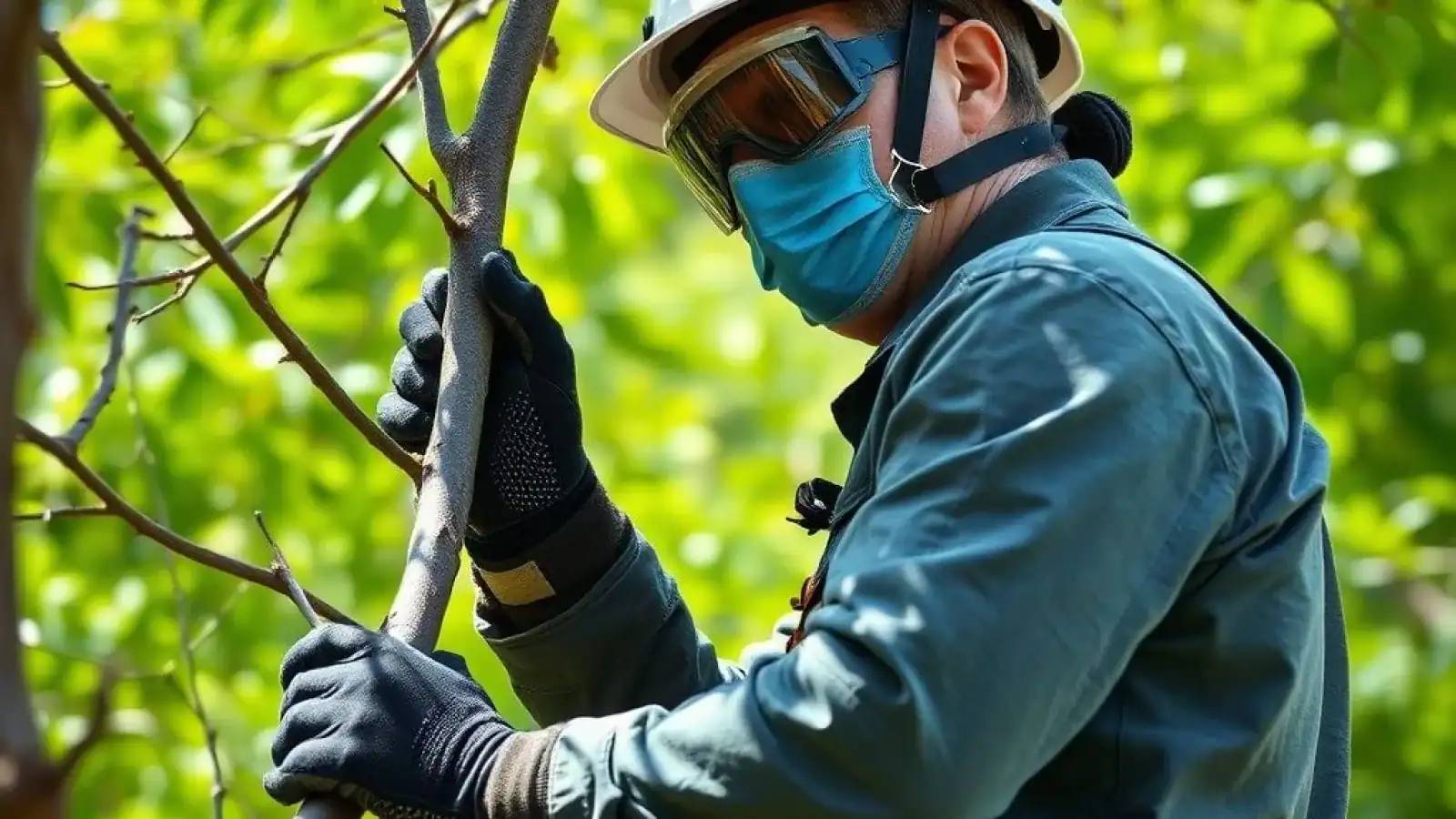
In addition to proper techniques, there are several safety precautions you can take to prevent kickback. Always wear protective gear, such as a helmet, gloves, and chaps, when operating a chainsaw. This will help protect you from injury in case of kickback or other accidents. You should also ensure that your saw is properly maintained, with regular oil changes and chain sharpening.
It’s also a good idea to have a first aid kit on hand, in case of an emergency. This should include basic supplies like bandages, antiseptic wipes, and pain relievers. By being prepared and taking necessary precautions, you can minimize the risk of injury and ensure a safe cutting experience.
Safety Features to Prevent Kickback
In recent years, chainsaw manufacturers have developed several safety features to prevent kickback. One of the most effective is the chain brake system, which stops the chain in case of kickback. This system is designed to activate automatically when the saw kicks back, bringing the chain to a stop and preventing further injury.
Another safety feature is the kickback bar, which is designed to reduce the risk of kickback. This bar is typically shorter and more compact than a standard bar, making it less likely to catch and cause kickback. Chain catchers are also available, which catch the chain in case of breakage and prevent it from flying back towards the operator.
These safety features can be incredibly effective in preventing kickback and ensuring a safe cutting experience. However, it’s essential to remember that no safety feature can replace proper techniques and precautions. By combining safety features with proper techniques, you can minimize the risk of kickback and ensure a safe and successful cutting experience.
Real-World Examples of Kickback Prevention
So, how do these safety features work in real-world scenarios? Let’s take a look at a few examples. Imagine you’re cutting a tree limb and the chain gets stuck. The chain brake system activates, stopping the chain and preventing kickback. This could potentially save you from serious injury or even death.
Another example is the use of a kickback bar. Let’s say you’re cutting through a dense wood and the chain catches on a knot. The kickback bar is designed to reduce the risk of kickback, making it less likely to catch and cause injury. By using a kickback bar, you can minimize the risk of kickback and ensure a safe cutting experience.
Maintaining Your Chainsaw for Kickback Prevention
Maintaining your chainsaw is crucial for preventing kickback. Regular maintenance can help ensure that your saw is running smoothly and efficiently, reducing the risk of kickback. So, what maintenance tasks should you perform regularly? First, make sure to regularly sharpen your chain. A dull chain is more likely to catch and cause kickback, so it’s essential to keep it sharp.
You should also regularly check and maintain your saw’s chain brake system. This system is designed to stop the chain in case of kickback, so it’s crucial to ensure that it’s functioning properly. Additionally, make sure to check your saw’s chain catcher and ensure that it’s in good condition. By performing these maintenance tasks, you can help prevent kickback and ensure a safe cutting experience.
It’s also essential to follow the manufacturer’s guidelines for maintenance and repair. This may include regular oil changes, filter cleaning, and spark plug replacement. By following these guidelines, you can help extend the life of your saw and ensure that it’s running smoothly and efficiently.
Common Maintenance Mistakes to Avoid
When maintaining your chainsaw, there are several common mistakes to avoid. One of the most significant is failing to regularly sharpen your chain. A dull chain can increase the risk of kickback, so it’s essential to keep it sharp. Another mistake is failing to check and maintain your saw’s chain brake system. This system is designed to stop the chain in case of kickback, so it’s crucial to ensure that it’s functioning properly.
Additionally, make sure to avoid using the wrong chain type or size for your saw and the material you’re cutting. This can increase the risk of kickback and reduce the efficiency of your saw. By avoiding these common mistakes, you can help prevent kickback and ensure a safe and successful cutting experience.
Conclusion and Final Thoughts
Preventing chainsaw kickback requires a combination of proper techniques, safety features, and maintenance. By understanding the causes of kickback and taking steps to mitigate them, you can minimize the risk of injury and ensure a safe cutting experience. Remember to always maintain a sharp chain, use the correct chain type and size, and avoid cutting with the tip of the bar.
Additionally, make sure to use safety features like chain brake systems and kickback bars, and always wear protective gear like helmets, gloves, and chaps. By following these tips and techniques, you can help prevent kickback and ensure a safe and successful cutting experience. As someone who’s worked with chainsaws for years, I can attest to the importance of being prepared and taking necessary precautions.
So, the next time you’re out cutting wood, remember to stay focused, follow proper techniques, and use safety features to prevent kickback. With the right knowledge and precautions, you can minimize the risk of injury and ensure a safe and successful cutting experience. Happy cutting!