


Why Bar Oil is Non-Negotiable: The Lifeblood of Your Chainsaw
As an experienced arborist and outdoor power equipment specialist, I’ve seen firsthand what happens when chainsaw bar oil is neglected – and it’s rarely pretty. Many folks, especially those new to chainsaws, often overlook this humble fluid, focusing instead on engine fuel or chain sharpness. But let me tell you, bar oil is as crucial to your chainsaw’s health and performance as engine oil is to your car’s engine. It’s not just a recommendation; it’s an absolute necessity for safe, efficient, and long-lasting operation.
Table Of Content
- Why Bar Oil is Non-Negotiable: The Lifeblood of Your Chainsaw
- Decoding Bar Oil Types: Which One is Right for You?
- Mineral-Based (Petroleum-Based) Bar Oils
- Synthetic Bar Oils
- Biodegradable/Vegetable-Based Bar Oils
- Understanding Viscosity and Tackifiers
- The Art of Application: How to Properly Use and Manage Bar Oil
- Checking Oil Levels: A Pre-Cut Ritual
- Filling the Reservoir Correctly
- Adjusting the Oiler and Performing the “Sling Test”
- Climate Considerations and Storage
- Beyond the Oil: Common Mistakes, Troubleshooting, and Maintenance Synergy
- Common Mistakes to Avoid at All Costs
- Troubleshooting Oiling Issues
- Maintenance Synergy: More Than Just Oil
- Choosing Wisely: Recommendations and Final Thoughts from a Pro
- General Recommendations for Different Users
- A Pro’s Final Checklist for Bar Oil Best Practices
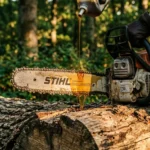
At its core, bar oil performs a vital trio of functions: reducing friction, dissipating heat, and preventing wear. Imagine the relentless speed at which your chainsaw chain races around the guide bar – often exceeding 50-60 miles per hour! Without a constant, sticky film of lubricant, the metal-on-metal contact between the chain and the bar’s groove would generate immense friction. This friction quickly translates into extreme heat, leading to rapid wear on both components, premature chain stretching, and even serious damage to the guide bar’s rails and sprocket nose.
The consequences of insufficient or incorrect bar oil can be severe. Overheating can cause the chain to expand and bind in the bar, leading to difficult cutting, increased fuel consumption, and – in the worst cases – a locked-up chain that poses a significant kickback risk. I once witnessed a relatively new saw’s bar completely “blued” and warped due to persistent lack of oil, rendering it useless in a matter of hours. This isn’t just about saving money on replacement parts; it’s about ensuring your equipment operates reliably and safely every time you pull the starter cord. A properly lubricated chain and bar work in harmony, delivering smooth cuts and extending the life of your valuable chainsaw.
Decoding Bar Oil Types: Which One is Right for You?
Just like engine oil comes in different formulations, so does bar oil, each designed with specific characteristics to meet various needs and environmental considerations. Understanding these differences is key to making an informed choice that best suits your cutting tasks and values. Let’s break down the most common types you’ll encounter on the market.
Mineral-Based (Petroleum-Based) Bar Oils
These are the most traditional and widely available type of bar oil, often recognized by their light amber to brownish color. Mineral-based oils are derived from crude oil and are typically the most cost-effective option. They offer decent lubrication and protection for general use, especially for occasional users or those on a tighter budget. However, their performance can fluctuate more with extreme temperature changes; they might become too thick in very cold conditions, hindering flow, or thin out excessively in scorching heat, reducing effective lubrication. Environmentally, they are not biodegradable and can leave a petroleum residue.
Synthetic Bar Oils
Stepping up in performance, synthetic bar oils are engineered formulations that offer superior lubrication and wear protection compared to their mineral counterparts. Synthetics are designed to maintain a consistent viscosity across a much broader temperature range, meaning they flow well in freezing conditions and resist thinning in high heat. This makes them an excellent choice for professional users, those working in diverse climates, or anyone seeking maximum protection and reduced wear on their equipment. While they come at a higher price point, the enhanced protection and extended component life often justify the investment, especially for high-performance saws like a Stihl MS 462 or Husqvarna 572 XP.
Biodegradable/Vegetable-Based Bar Oils
For the environmentally conscious user, biodegradable bar oils – often derived from vegetable oils like canola – are an excellent choice. These oils break down naturally in the environment, significantly reducing their ecological footprint, which is particularly important when working near waterways or in sensitive ecosystems. Modern biodegradable formulations have come a long way, offering excellent lubricity and tackiness. However, they can sometimes be more susceptible to degradation if stored improperly for long periods (e.g., going rancid), and generally have a higher price point than mineral oils. Brands like Stihl and Husqvarna offer their own biodegradable options, such as Stihl BioPlus or Husqvarna BioAdvanced, showcasing their commitment to eco-friendly solutions.
Understanding Viscosity and Tackifiers
Regardless of the base oil type, two key characteristics define bar oil: viscosity and tackifiers. Viscosity refers to the oil’s resistance to flow – essentially, how thick or thin it is. It’s often indicated by an ISO VG (International Standards Organization Viscosity Grade) rating; a lower number (e.g., ISO VG 46) means thinner oil, suitable for colder temperatures, while a higher number (e.g., ISO VG 100) indicates thicker oil for warmer conditions. Tackifiers are additives that give bar oil its characteristic “stickiness,” helping it adhere to the fast-moving chain and resist flinging off during operation. This ensures consistent lubrication and minimizes oil consumption. A good quality bar oil will have a balanced viscosity and effective tackifiers for optimal performance.
The Art of Application: How to Properly Use and Manage Bar Oil
Knowing which bar oil to choose is only half the battle; proper application and management are equally critical for ensuring your chainsaw runs flawlessly. This isn’t a “set it and forget it” component; it requires a bit of attention before, during, and after your cutting sessions. Mastering these practices will not only extend your chainsaw’s lifespan but also enhance your cutting efficiency and safety.
Checking Oil Levels: A Pre-Cut Ritual
Perhaps the most fundamental practice is checking your bar oil level before every single use. I can’t stress this enough. Most modern chainsaws feature a translucent oil tank or a sight glass, allowing you to quickly verify the level. Some older models might require removing a cap and checking with a dipstick. The goal is simple: ensure the reservoir is full or at least above the minimum mark before you even think about starting the engine. Running out of bar oil mid-cut is not only frustrating but also highly detrimental to your equipment, as it exposes the chain and bar to immediate, high-friction wear.
Filling the Reservoir Correctly
When it’s time to refill, take your time to avoid spills. Chainsaw oil fill ports are often designed with a slight angle, so position your saw on a stable, flat surface to prevent overflow. Use a clean funnel to minimize contamination – even small specks of dirt can clog the oiling system over time. Fill the reservoir to the top, then securely replace the cap. A common rule of thumb is that your bar oil tank should ideally empty at roughly the same rate as your fuel tank. This synchronized depletion is a good indicator that your saw’s oiler is working as intended, assuming your fuel-to-oil mix (for 2-stroke saws) is also correct.
Adjusting the Oiler and Performing the “Sling Test”
Many professional and some advanced homeowner chainsaws (like the Husqvarna 455 Rancher or Stihl MS 271 Farm Boss) come with an adjustable oil pump. This allows you to fine-tune the oil flow rate to match different cutting conditions, wood types, and bar lengths. For example, cutting dry, hard wood or using a longer bar (e.g., 20-inch vs. 16-inch) typically requires more oil. If your saw has this feature, consult your owner’s manual for adjustment instructions. To verify proper oil flow, perform a simple “sling test”: with the chain running at mid-throttle, hold the tip of the bar about 6 inches away from a clean piece of cardboard or a light-colored surface. A thin line of flung oil should appear within a few seconds. If you see no oil, or too much, you may need to adjust the pump or troubleshoot a clog.
Climate Considerations and Storage
Ambient temperature significantly impacts bar oil viscosity and flow. In frigid winter conditions, a thicker oil (e.g., ISO VG 100) can become too viscous to flow properly, starving your bar and chain. Conversely, a very thin oil (e.g., ISO VG 46) might not provide adequate lubrication in scorching summer heat, flinging off too quickly. Always choose a bar oil with a viscosity rating appropriate for the temperature range you’ll be working in. Many manufacturers offer “winter” and “summer” grades. When it comes to storage, keep your bar oil in its original, sealed container in a cool, dry place, away from direct sunlight. This prevents contamination and maintains its lubricating properties, especially important for biodegradable oils which can degrade faster if exposed to air and heat.
Beyond the Oil: Common Mistakes, Troubleshooting, and Maintenance Synergy
Even with the right oil, improper habits can quickly undermine its effectiveness. Understanding common pitfalls, knowing how to troubleshoot oiling issues, and recognizing how bar oil integrates with overall chainsaw maintenance are crucial for safe and efficient operation. Let’s delve into these often-overlooked aspects.
Common Mistakes to Avoid at All Costs
The most egregious mistake I’ve seen – and one that sends shivers down my spine – is using substitute lubricants like motor oil, waste oil, or even vegetable cooking oil. These alternatives lack the essential tackifiers and specific viscosity modifiers found in dedicated bar oil. Motor oil, for instance, is designed for internal combustion engines, not for external high-speed chain lubrication. It will fling off almost immediately, leaving your bar and chain unprotected, leading to rapid wear, overheating, and potential binding. Waste oil, besides being ineffective, is full of abrasive contaminants that can damage your oil pump and clog internal passages. Always, always use proper chainsaw bar oil.
Another frequent error is simply not checking the oil level regularly enough. Many users check it before the first cut of the day but forget to recheck it during extended cutting sessions. A chainsaw can go through a full tank of bar oil surprisingly quickly, especially with a long bar or aggressive cutting. Furthermore, ignoring oil leaks is another pitfall. A persistent leak, even a small one, indicates an issue – perhaps a damaged seal, a loose cap, or a clogged vent – that needs addressing immediately. Not only is it wasteful, but it could lead to insufficient lubrication when you need it most.
Troubleshooting Oiling Issues
If you perform the sling test and find no oil, or very little, don’t panic. Start with the basics: Is the oil reservoir full? Is the chain tension correct (too tight can hinder oil flow)? If those are fine, check the oil port on the guide bar itself. This small hole, usually near the drive sprocket, can easily become clogged with sawdust, pitch, and debris. Use a small pick or a clean air compressor to clear it. Also, check the groove of the guide bar – it should be clean and clear for the oil to spread. If the problem persists, it might indicate a more serious issue with the oil pump or drive gear, which typically requires professional service.
Conversely, if you’re experiencing excessive oil consumption or notice pools of oil under your saw, it could be due to an over-adjusted oil pump (if your saw has one) or using an oil with too low a viscosity for the conditions. Ensure the oiler is set correctly, and consider switching to a slightly thicker oil if working in warm weather. Remember, a certain amount of oil sling is normal and desirable, indicating proper lubrication, but excessive pooling might warrant a check.
Maintenance Synergy: More Than Just Oil
Bar oil doesn’t work in isolation; it’s part of a larger ecosystem of chainsaw maintenance. A dull chain, for example, forces the saw to work harder, generating more heat and demanding more lubrication. A sharp chain cuts efficiently, reducing stress on the bar and requiring less oil to maintain optimal conditions. Similarly, regularly cleaning the guide bar groove and the oil port ensures that the oil can reach the chain effectively. Don’t forget to rotate your guide bar periodically to ensure even wear on both sides, as uneven wear can create tight spots where oil flow is restricted. Finally, if your bar has a sprocket nose, ensure it’s clean and occasionally greased – a dry sprocket nose adds significant friction and wear.
Choosing Wisely: Recommendations and Final Thoughts from a Pro
Navigating the world of chainsaw bar oil might seem complex, but armed with the right knowledge, you can make informed decisions that will significantly impact your chainsaw’s performance, longevity, and your safety. As a professional who relies on chainsaws daily, I can tell you that cutting corners on bar oil is a false economy – the cost of replacing worn-out bars and chains far outweighs the savings on cheaper, inferior lubricants.
General Recommendations for Different Users
For the average homeowner or DIY user tackling occasional tasks like pruning or felling small trees, a good quality mineral-based bar oil is often sufficient, especially if you’re in a temperate climate. It’s cost-effective and readily available. However, if you find yourself using your chainsaw frequently, or if you value enhanced protection and plan to keep your saw for many years, investing in a synthetic bar oil offers superior benefits. For those working in sensitive areas or prioritizing environmental responsibility, biodegradable options are an excellent choice, though they may require more mindful storage.
When selecting, always refer to your chainsaw’s owner’s manual. While most manufacturers recommend their own branded bar oils (e.g., Stihl SynthPlus, Husqvarna X-Guard), these are generally premium products, and equivalent quality oils from reputable aftermarket brands like Oregon are perfectly acceptable. The key is to match the oil’s specifications – particularly viscosity and tackifier presence – to your saw’s requirements and your operating conditions.
A Pro’s Final Checklist for Bar Oil Best Practices
- Check Before Every Cut: Make it a habit to verify your bar oil level before starting any cutting task.
- Use the Right Type: Choose mineral, synthetic, or biodegradable based on your needs, environment, and budget. Never substitute with motor oil or waste oil.
- Match Viscosity to Temperature: Select a thinner oil (lower ISO VG) for cold weather and a thicker oil (higher ISO VG) for hot weather to ensure optimal flow and lubrication.
- Adjust Oiler (If Applicable): If your saw has an adjustable oil pump, fine-tune it to match your bar length and cutting conditions. Perform the “sling test” to verify.
- Keep it Clean: Regularly clean the oil port on your guide bar and the bar groove itself to prevent clogs and ensure proper oil distribution.
- Store Properly: Keep bar oil in a sealed container in a cool, dry place to maintain its properties, especially for biodegradable types.
- Don’t Ignore Leaks: Investigate any persistent oil leaks immediately – they indicate a problem that needs attention.
By diligently following these guidelines, you’re not just pouring oil into a tank; you’re investing in the longevity, efficiency, and safety of your chainsaw. A well-lubricated bar and chain are the foundation of effective woodcutting, transforming a potentially frustrating and dangerous task into a smooth, productive experience. Take care of your chainsaw’s lifeblood, and it will take care of you, cut after cut.