




Mastering the Art of Tree Felling: Safety First!
There comes a time for many homeowners when a small tree needs to come down. Maybe it’s shading your garden too much, growing too close to the house, or simply needs to be removed for a new project. Whatever the reason, felling a tree, even a small one, is not something to approach lightly. It requires careful planning, the right equipment, and a healthy respect for the power of your chainsaw. As a seasoned chainsaw professional, I’ve seen firsthand how quickly things can go wrong without proper knowledge. But don’t worry, in this guide, I’ll walk you through every step to ensure you can fell a small tree safely and efficiently.
Table Of Content
- Mastering the Art of Tree Felling: Safety First!
- Step 1: Preparation is Your Best Friend
- Assessing the Tree and Its Surroundings
- Clearing Your Work Area and Escape Routes
- Personal Protective Equipment (PPE) – Non-Negotiable!
- Chainsaw Readiness Check
- Step 2: Understanding the Cuts – The Science of Felling
- The Directional Notch (Undercut)
- The Hinge Wood and the Felling Cut
- Step 3: The Step-by-Step Felling Process
- Step 1: Confirm Your Fall Direction and Escape Routes
- Step 2: Making the Directional Notch
- Step 3: Making the Felling Cut
- Step 4: The Fall and Your Escape
- Step 4: What to Do If Things Go Wrong (And When to Call a Pro)
- Hung-Up Trees
- Kickback Prevention
- When to Call a Professional
- Your Safety, Your Responsibility
Before we even think about touching a saw, let’s define “small tree.” For our purposes, we’re talking about trees with a trunk diameter of up to about 12-14 inches – roughly the length of a typical homeowner chainsaw bar, like those found on models such as the Stihl MS 170 or Husqvarna 120 Mark II. If your tree is larger than this, or if you’re feeling even a hint of uncertainty, please, call a professional. Your safety is paramount.
Step 1: Preparation is Your Best Friend
Honestly, preparation is half the battle when it comes to felling. Skimp on this, and you’re inviting trouble. This isn’t just about grabbing your saw; it’s about understanding your environment and securing yourself.
Assessing the Tree and Its Surroundings
First, take a good, long look at the tree. Where does it naturally want to fall? Observe its lean. Is it leaning towards your house, a fence, or an open area? Consider the wind direction – even a light breeze can influence the fall of a small tree. Look for any dead branches that might break off during the fall (known as “widowmakers”) or other trees it could get hung up on. Are there power lines nearby? If so, stop immediately and call your utility company or a professional arborist.
Next, inspect the base of the tree. Are there any obstructions, rocks, or roots that might interfere with your cuts or cause your chainsaw to kick back? Clear these away. Remember, the tree’s health also matters. A rotted tree might behave unpredictably, so if the trunk looks compromised, it’s best to err on the side of caution and consult an expert.
Clearing Your Work Area and Escape Routes
This is critical. You need a clear path to retreat once the tree starts to fall. Imagine this situation: you’ve made your felling cut, the tree groans, and starts to move. If you have to trip over a stray garden hose or a pile of brush, you’re in real danger. Clear a path at least 15-20 feet long, directly opposite your intended fall direction, and slightly to the sides (at a 45-degree angle from the felling direction). This gives you two clear escape routes. Always plan for two distinct escape paths.
Also, ensure no one else is in your work zone. No kids, no pets, no curious neighbors. Your work area should be at least two tree lengths away from anyone else. Communicate your plans clearly if anyone is nearby.
Personal Protective Equipment (PPE) – Non-Negotiable!
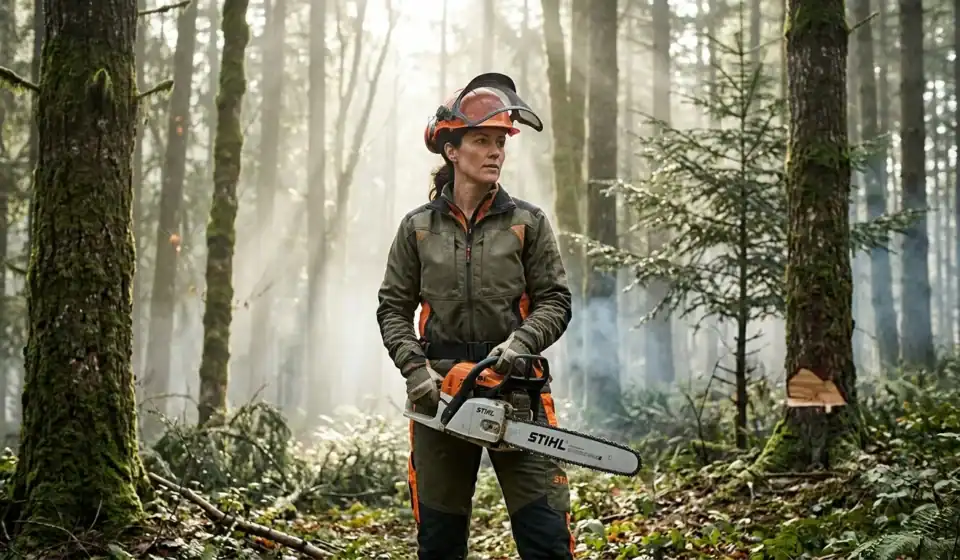
I cannot stress this enough: PPE is not optional. It’s your first line of defense. Before you even think about starting that chainsaw, make sure you have:
- Chainsaw Helmet with Face Shield and Hearing Protection: Protects your head from falling debris, your eyes from sawdust, and your ears from the deafening noise.
- Chainsaw Chaps: These are designed to stop a moving chain instantly if it comes into contact with your leg. They are lifesavers.
- Heavy-Duty Gloves: For grip and protection from splinters.
- Steel-Toe Boots: Protect your feet from falling wood and the chainsaw itself.
- Snug-Fitting Clothing: Avoid loose clothing that could get caught in the chain.
Seriously, if you don’t have all of these, put the chainsaw down and get them. A trip to the hardware store is far cheaper than a trip to the emergency room.
Chainsaw Readiness Check
Your chainsaw needs to be in top condition. Check the chain tension – it should be snug but still allow you to pull it around the bar by hand. Ensure it’s sharp; a dull chain is dangerous and makes more work for you. Fill the fuel tank with the correct fuel mix and the oil reservoir with bar and chain oil. A dry chain wears quickly and can seize. Do a quick visual inspection for any loose parts or damage. A well-maintained saw is a safe saw, and Best Professional Chainsaw has plenty of resources on proper chainsaw maintenance if you need a refresher.
Step 2: Understanding the Cuts – The Science of Felling
Felling a tree safely relies on two primary cuts: the directional notch (or undercut) and the felling cut. Together, they control the tree’s fall direction and create a crucial hinge.
The Directional Notch (Undercut)
The directional notch is made on the side of the tree where you want it to fall. It’s essentially a wedge-shaped cut that removes a section of wood, dictating the fall direction. This notch consists of two cuts: the top cut (usually angled downwards) and the bottom cut (horizontal, meeting the top cut).
The Hinge Wood and the Felling Cut
Once the notch is complete, you’ll make the felling cut from the opposite side of the tree. The trick here is to not cut all the way through. You leave a section of uncut wood called the “hinge.” This hinge is paramount; it acts like a pivot point, guiding the tree down safely and predictably. A properly formed hinge ensures the tree falls in the intended direction and doesn’t twist or kick back unexpectedly. Too thin, and the tree could snap prematurely; too thick, and it might not fall at all.
Step 3: The Step-by-Step Felling Process
Alright, you’re prepped, geared up, and understand the theory. Now let’s get to the really critical point: making those cuts.
Step 1: Confirm Your Fall Direction and Escape Routes
Before you make any cut, take one last look around. Reconfirm your intended fall direction and verify your two clear escape routes are still open. Point your saw in the direction you want the tree to fall. This final check can prevent major headaches.
Step 2: Making the Directional Notch
This cut determines where your tree goes, so precision is key.
- The Top Cut: Standing on the side of the tree opposite your intended fall direction, make your first cut. This cut should be angled downwards at about 45-60 degrees. Cut about 1/3 to 1/4 of the way through the tree’s diameter.
- The Bottom Cut: Now, make a horizontal cut directly into the tree, meeting the end of your top cut. This creates a clean “mouth” in the tree. Remove the wedge of wood. This open notch now clearly indicates your tree’s intended fall direction.
For example, if you’re felling a 12-inch diameter tree, your notch should go about 3-4 inches deep. Get this right, and you’ve set yourself up for success. Get it wrong, and the tree might “barber chair” (split vertically) or fall unpredictably.
Step 3: Making the Felling Cut
Now, move to the opposite side of the tree from your directional notch. This is where you’ll make the felling cut.
- The Back Cut: Start your horizontal felling cut about 1-2 inches above the bottom of your directional notch. This slight elevation helps prevent the tree from kicking back over the hinge.
- Leaving the Hinge: Cut horizontally towards the notch, but stop about 1-2 inches short of reaching the notch. This uncut wood is your hinge. As the tree starts to lean, this hinge will guide it.
You’ll notice the tree might start to creak, groan, or lean slightly as you approach the hinge. If it’s a small tree and falling as intended, great! But what if it doesn’t? This is where felling wedges come in handy. If the tree isn’t falling, stop your saw, insert a plastic or aluminum felling wedge into your felling cut, and tap it with an axe or hammer. This will help push the tree over and widen the cut, encouraging it to fall.
Step 4: The Fall and Your Escape
Once the tree begins to fall, immediately remove your chainsaw, shut it off, and retreat along one of your planned escape routes. Keep an eye on the falling tree, watching for any branches that might kick back or debris that could fly towards you. Do not take your eyes off it until it’s safely on the ground. Only approach the fallen tree once you’re certain it has settled and all movement has stopped.
Step 4: What to Do If Things Go Wrong (And When to Call a Pro)
Even with the best planning, things can sometimes go awry. Knowing what to do (or not do) is crucial.
Hung-Up Trees
A “hung-up” tree is one that has fallen but is caught on another tree, creating a dangerous, unstable situation. Never try to cut the tree free while it’s hung up. This is incredibly dangerous. Do not try to climb the tree, push it, or cut the supporting tree. The safest approach is to use a winch or tractor if you have one available. If not, this is a clear sign to call a professional arborist with the right heavy equipment. It’s not worth risking serious injury or even death.
Kickback Prevention
Kickback is when the chainsaw rapidly and unexpectedly kicks back towards the operator. It usually happens when the upper tip of the guide bar (the “kickback zone”) hits an object or gets pinched. Always be aware of your bar tip, maintain a firm grip with both hands, and never cut with the kickback zone. Keeping your chain sharp and using a saw with safety features like a chain brake are your best defenses against kickback.
When to Call a Professional
While this guide empowers you to fell small trees safely, there are definitive situations where you should absolutely call a professional. These include:
- Any tree near power lines.
- Trees larger than 12-14 inches in diameter.
- Trees with significant lean towards structures or hazards.
- Trees that are diseased, rotted, or appear structurally unsound.
- If you feel uncomfortable or unsure at any point.
There’s no shame in knowing your limits. A professional arborist has the training, experience, and specialized equipment to handle complex or dangerous tree removals safely.
Your Safety, Your Responsibility
Felling a small tree yourself can be a rewarding experience, saving you money and giving you a great sense of accomplishment. But remember, with a chainsaw, you’re wielding a powerful tool that demands respect and careful execution. By following these steps – thorough preparation, understanding your cuts, and prioritizing safety at every turn – you’ll be well on your way to successfully and safely felling that small tree. Stay alert, stay safe, and happy cutting!