

Introduction to DIY Tree Cutting
For many homeowners and landowners, tree cutting is a necessary task to maintain their property’s appearance and safety. But what would you do in this situation: a tree is leaning towards your house, and you need to cut it down before it causes any damage? Honestly, it can be a daunting task, especially if you’re new to using a chainsaw. Based on my experience, I believe that with the right knowledge and equipment, anyone can successfully cut a tree on their own.
Table Of Content
Let me add something here: safety should always be your top priority when it comes to tree cutting. Safety gear such as a hard hat, gloves, and protective eyewear is essential to prevent injuries. In my opinion, it’s also crucial to have a good understanding of the tree’s structure and potential hazards before starting the cutting process.
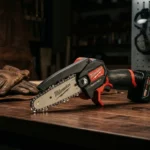
So far, we’ve covered the importance of safety and planning. Now let’s get to the really critical point: choosing the right equipment for the job. A chainsaw is the most common tool used for tree cutting, and it’s essential to select one that suits your needs. Consider factors such as the tree’s size, the type of wood, and your level of experience when choosing a chainsaw.
Planning and Preparation
Before you start cutting, it’s essential to assess the tree’s condition and plan your approach. Look for any signs of decay, cracks, or weaknesses in the tree’s structure. For example, imagine this situation: you’re about to cut a tree, but you notice that it’s leaning towards a power line. In this case, it’s best to call a professional or seek assistance from your local utility company.
When planning your cut, consider the following factors:
- Direction of the cut: Determine the direction you want the tree to fall and plan your cut accordingly.
- Size of the tree: Choose a chainsaw with sufficient power to handle the tree’s size and type of wood.
- Obstacles: Look for any obstacles such as power lines, buildings, or other trees that could interfere with the cutting process.
To be fair, planning and preparation are crucial steps in the tree cutting process. By taking the time to assess the tree’s condition and plan your approach, you can ensure a safe and successful project.
Choosing the Right Chainsaw
With so many chainsaws on the market, it can be challenging to choose the right one for your needs. Consider the following factors when selecting a chainsaw:
Bar length: A longer bar can be more efficient for cutting larger trees, but it can also be more difficult to handle. Engine power is another crucial factor, as it determines the chainsaw’s ability to cut through the wood. Look for a chainsaw with sufficient power to handle the tree’s size and type of wood.
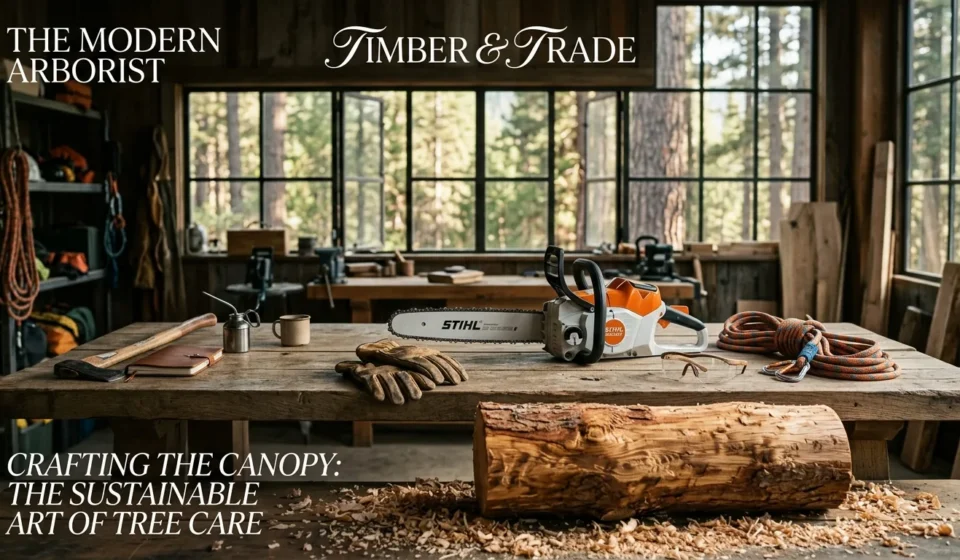
Some popular chainsaw models for DIY tree cutting include the Husqvarna 440 and the Stihl MS 250. These chainsaws offer a good balance of power and maneuverability, making them suitable for a variety of cutting tasks.
Cutting Techniques and Safety
Once you’ve chosen the right chainsaw and planned your approach, it’s time to start cutting. But what would you do in this situation: the tree is not falling in the direction you planned? Honestly, it’s essential to stay calm and have a backup plan in place. Consider the following cutting techniques:
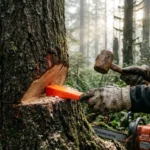
Backcutting is a common technique used to cut trees. It involves making a cut on the opposite side of the tree from the direction you want it to fall. This technique can be effective, but it requires careful planning and execution.
Another technique is sniping, which involves making a series of small cuts to remove branches and limbs. This technique can be useful for cutting smaller trees or for removing debris from a larger tree.
Let me add something here: safety is not just about wearing protective gear; it’s also about being aware of your surroundings and potential hazards. Always maintain a safe distance from the tree and be prepared for any unexpected events.
Maintenance and Aftercare
After you’ve completed the cutting process, it’s essential to maintain your equipment and take care of the cut area. Regular chainsaw maintenance can help extend the life of your saw and ensure it continues to perform efficiently. Consider the following maintenance tasks:
- Clean the chainsaw regularly to prevent debris and dust from accumulating.
- Sharpen the chain to maintain its cutting efficiency.
- Check the saw’s oil and fuel levels to ensure it’s running properly.
To be fair, maintenance is an essential part of the tree cutting process. By taking care of your equipment and the cut area, you can ensure a safe and successful project.
In my opinion, DIY tree cutting can be a rewarding and cost-effective way to maintain your property. With the right knowledge, equipment, and techniques, you can successfully cut a tree on your own. So, the next time you need to cut a tree, consider taking on the project yourself – with the right guidance and precautions, you can achieve professional-like results.