Mastering Chainsaw Sharpening: Your Complete Guide to Using Sharpeners
Why a Razor-Sharp Chainsaw Chain is Non-Negotiable
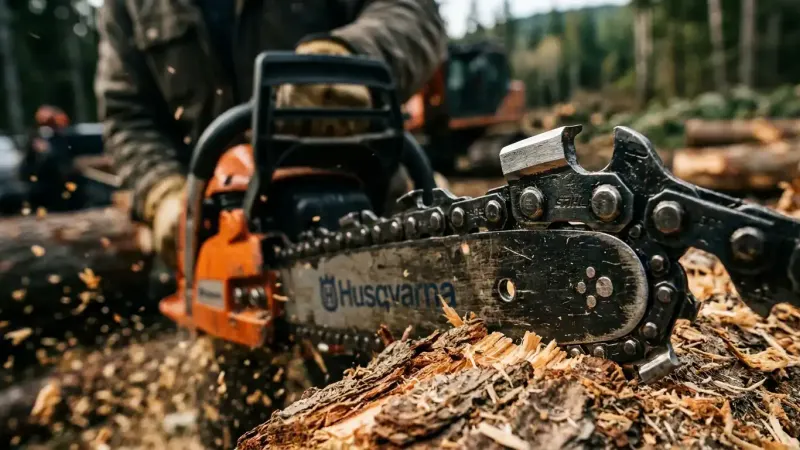
There’s nothing more frustrating (or frankly, dangerous) than trying to cut wood with a dull chainsaw chain. Instead of slicing through timber like butter, your saw bucks, struggles, and produces sawdust instead of crisp chips. It’s not just an annoyance; it’s a recipe for increased fatigue, wasted fuel, and a heightened risk of kickback. A sharp chain is the heart of safe, efficient chainsaw operation.
Table Of Content
- Why a Razor-Sharp Chainsaw Chain is Non-Negotiable
- Understanding Your Chainsaw Sharpener Options
- Manual Filing Guides: The Portable & Practical Choice
- Bar-Mounted Sharpeners: Precision on the Go
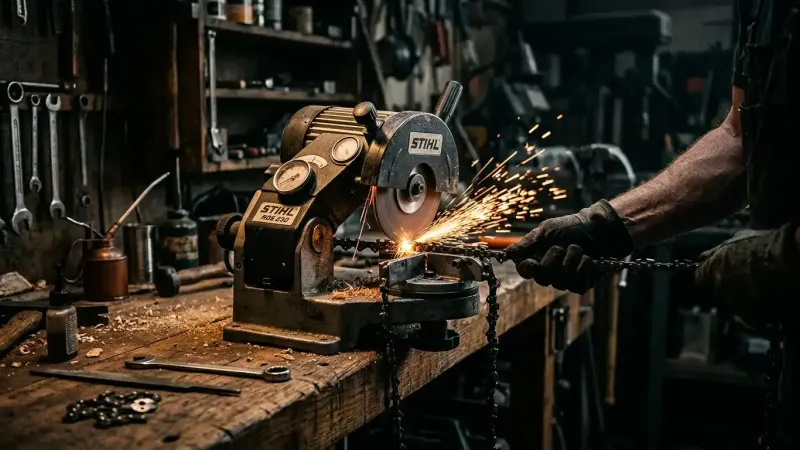
- Electric Bench Grinders: The Professional’s Edge
- Step-by-Step Manual Sharpening: Your Core Skill
- Safety First, Always!
- Gathering Your Tools
- The Sharpening Process
- Advanced Tips & Tricks for a Professional Edge
- Your Chainsaw, Sharper and Safer
But what if you could easily bring that factory-fresh edge back to life yourself? That’s exactly what mastering chainsaw sharpening allows you to do. Forget expensive trips to the shop or prematurely replacing chains. Learning to use a chainsaw sharpener is one of the most valuable skills any chainsaw owner can acquire, transforming your cutting experience and extending the life of your equipment. Let’s dive into how you can achieve that perfect edge every time.
Understanding Your Chainsaw Sharpener Options
Before we grab a file, it’s essential to understand the tools available. Chainsaw sharpeners come in various forms, each with its own advantages and learning curve. Choosing the right one depends on your budget, frequency of use, and desired precision. In my experience, most homeowners start with manual tools and sometimes upgrade as their needs evolve.
Manual Filing Guides: The Portable & Practical Choice
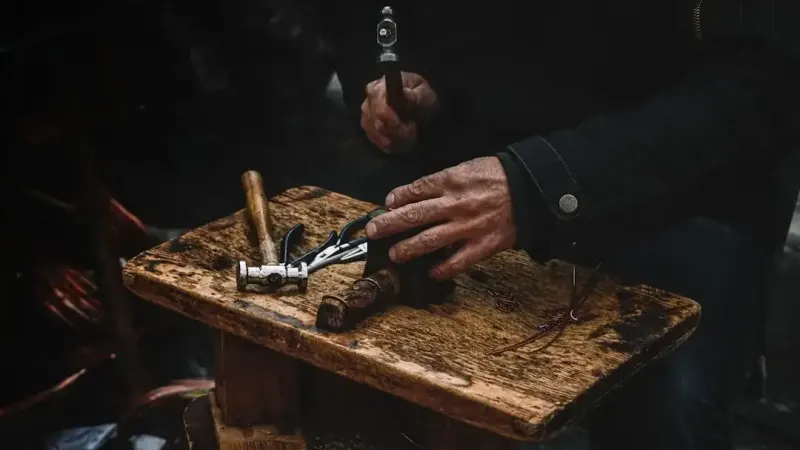
This is where most people begin, and for good reason. Manual sharpening involves a round file, a flat file, and often a filing guide or holder. The round file is used to sharpen the cutting edge of each tooth, while the flat file and a depth gauge tool are used to maintain the rakers (also known as depth gauges). The filing guide helps you maintain the correct angle and depth for consistent results.
- Pros: Highly portable, inexpensive, excellent for touch-ups in the field, helps you develop a feel for the chain.
- Cons: Requires practice for consistency, can be slower than other methods, takes a bit more effort.
You’ll need to know your chain’s pitch (the distance between three rivets divided by two) and gauge (the thickness of the drive links) to select the correct file size. This information is usually stamped on the saw’s guide bar or found in your chainsaw’s manual.
Bar-Mounted Sharpeners: Precision on the Go
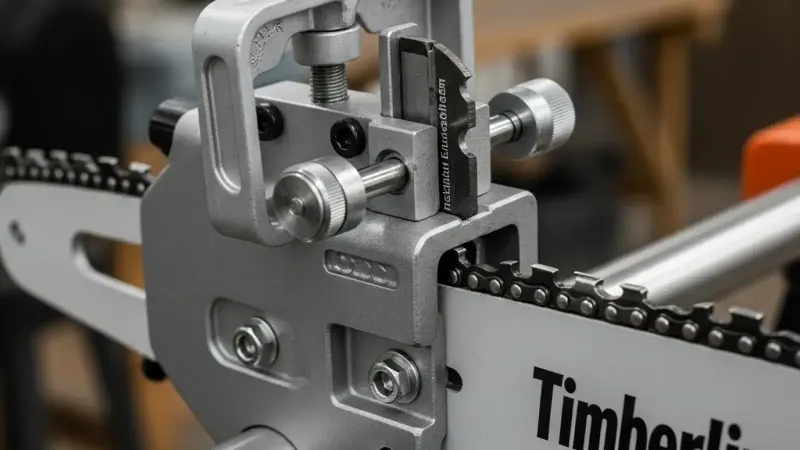
These handy devices clamp directly onto your chainsaw’s guide bar. They typically use a small grinding stone or a file that’s cranked by hand or, in some models, powered by the chain itself. They’re designed to give you a consistent angle and depth by guiding the sharpening tool for each tooth.
- Pros: Offers better consistency than freehand filing, relatively quick, still portable, great for regular maintenance.
- Cons: Can be specific to certain chain pitches, still requires careful setup, might not be as fast as electric models.
Many users find these a good middle-ground, offering more precision than a hand file but without the bulk of a bench grinder.
Electric Bench Grinders: The Professional’s Edge
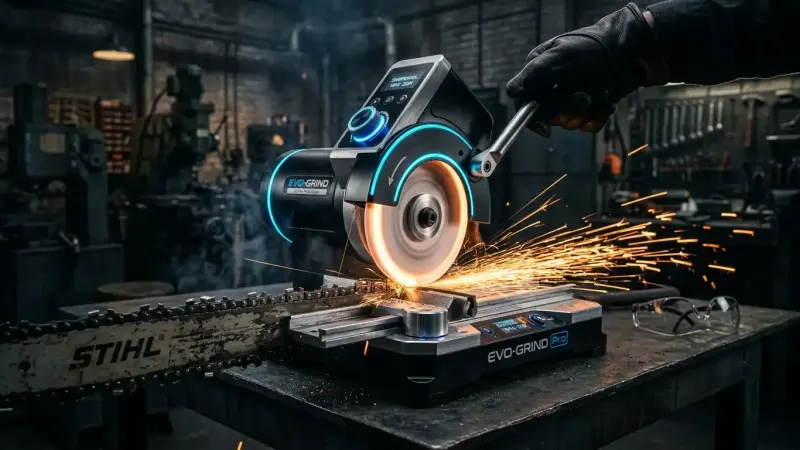
For those who sharpen chains frequently or manage multiple chains, an electric bench-mounted sharpener is a game-changer. These machines hold the chain securely and use a motor-driven grinding wheel to precisely sharpen each tooth. They offer highly accurate angle adjustments for the top plate angle (the cutting angle of the tooth) and the side plate angle (the angle of the cutting edge).
- Pros: Fastest and most consistent sharpening, produces professional-grade results, extends chain life by precise material removal.
- Cons: Least portable, more expensive upfront, can remove too much material if not set up correctly, requires a power source.
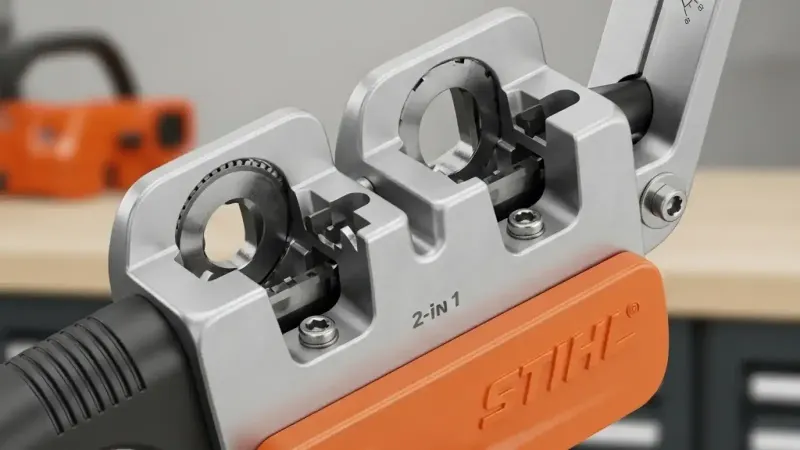
Models like the Oregon 410-120 or the STIHL USG offer incredible precision, making them ideal for landowners or anyone who wants a factory-sharp edge every time. To be fair, they do require a bit of initial setup to dial in the angles correctly, but once set, they’re incredibly efficient.
Step-by-Step Manual Sharpening: Your Core Skill
Let’s focus on manual sharpening with a filing guide, as it’s the most common and fundamental skill. Once you master this, you’ll understand the principles that apply to all sharpeners.
Safety First, Always!
Before you even touch your chain, put on your safety gear. This means sturdy work gloves to protect your hands and eye protection to guard against metal shavings. Secure your chainsaw on a stable surface or in a vise. You want the guide bar to be steady, not wobbling around.
Gathering Your Tools
You’ll need:
- The correct size round file for your chain’s pitch. (e.g., a 5/32″ file for a .325″ pitch chain, or a 7/32″ for a 3/8″ professional pitch).
- A filing guide or file holder that ensures the correct angle.
- A flat file.
- A depth gauge tool.
- A rag to clean the chain.
The Sharpening Process
Imagine this situation: You’ve just finished limbing a tough oak, and your chain is noticeably dull. Here’s how to bring it back:
- Clean Your Chain: Use a brush or rag to remove any sawdust, resin, or debris from the chain. A clean chain makes sharpening easier and prevents gunk from clogging your file.
- Locate the Shortest Cutter: Find the most worn or shortest cutter tooth on your chain. This will be your starting point and will dictate how much you file every other tooth to ensure uniformity.
- Position the Filing Guide: Place your round file into the filing guide, then position the guide over the cutter tooth. The guide will have markings or rollers to help you align it with the correct filing angle (typically 25-35 degrees, check your chain’s specifications). Ensure the file is held level with the top plate of the tooth.
- File the Cutter: With firm, steady pressure, push the file forward across the cutter tooth. Lift the file on the return stroke – you only sharpen on the forward stroke. Use an equal number of strokes (e.g., 3-5) for each tooth to ensure consistency. You’ll see shiny, new metal appear, and feel the burr (a tiny curl of metal) on the backside of the tooth.
- Alternate Sides: Chainsaw chains have teeth that alternate direction (left-facing and right-facing). Sharpen all the teeth facing one direction first. Once done, either flip your chainsaw around or reposition yourself to sharpen all the teeth facing the other direction. This ensures you maintain consistent angles without constantly adjusting your setup.
- Address the Depth Gauges (Rakers): Once all cutters are sharp, it’s time to check the depth gauges. The depth gauge (or raker) controls how deep the cutter tooth bites into the wood. If it’s too high, the chain won’t cut effectively; too low, and it will cut too aggressively, increasing kickback risk. Place the depth gauge tool over the chain. If the raker protrudes above the tool, use your flat file to carefully file it down until it’s flush with the tool. Gently round off the front edge of the raker after filing.
Honestly, this takes practice. Don’t get discouraged if your first few attempts aren’t perfect. The goal is consistency and a sharp edge, not necessarily perfection right off the bat.
Advanced Tips & Tricks for a Professional Edge
Whether you’re using a hand file or an electric sharpener, these tips will elevate your sharpening game:
- Consistency is King: The most crucial aspect is using the same number of strokes on each tooth and maintaining the correct angles. Inconsistent sharpening leads to uneven cutting and premature wear.
- Don’t Over-Sharpen: Only remove as much material as necessary to restore the edge. Aggressive sharpening shortens the life of your chain.
- Check for Damage: Before sharpening, inspect each tooth for nicks, cracks, or severe damage. A severely damaged tooth might need more aggressive filing or, if it’s too far gone, the chain might need replacement.
- Burr Check: After filing, gently feel the back of the cutting edge with your finger (carefully!). You should feel a slight burr. This indicates you’ve filed completely through the dull edge. You can remove it with a light, backward stroke of the file or by running the chain for a few seconds.
- Lubricate: A small amount of bar and chain oil after sharpening can prevent rust and keep the chain ready for its next job.
- When to Replace: Even with the best sharpening, chains eventually wear out. When the cutter teeth become very small, or the rivets show excessive wear, it’s time for a new chain. Best Professional Chainsaw has plenty of resources on choosing the right replacement chain for your saw.
But what about those stubborn nicks from hitting dirt or a rock? For minor nicks, a few extra, careful strokes with your sharpener will usually do the trick. For major damage, you might need to take it to a professional or consider replacing the chain for safety.
Your Chainsaw, Sharper and Safer
Learning how to use a chainsaw sharpener isn’t just about saving money; it’s about taking control of your equipment and enhancing your safety. A sharp chain reduces effort, lowers fuel consumption, and significantly decreases the risk of dangerous kickback. It empowers you to tackle wood-cutting tasks with confidence and efficiency.
So far, we’ve covered why sharpness matters and the tools at your disposal. Now you have a clear, actionable guide to sharpening your chainsaw chain. Don’t just read about it; grab your safety gear, pick up your sharpener, and put these tips into practice. With a little patience and consistency, you’ll be cutting cleaner, faster, and safer in no time. Your chainsaw (and your back) will thank you!