
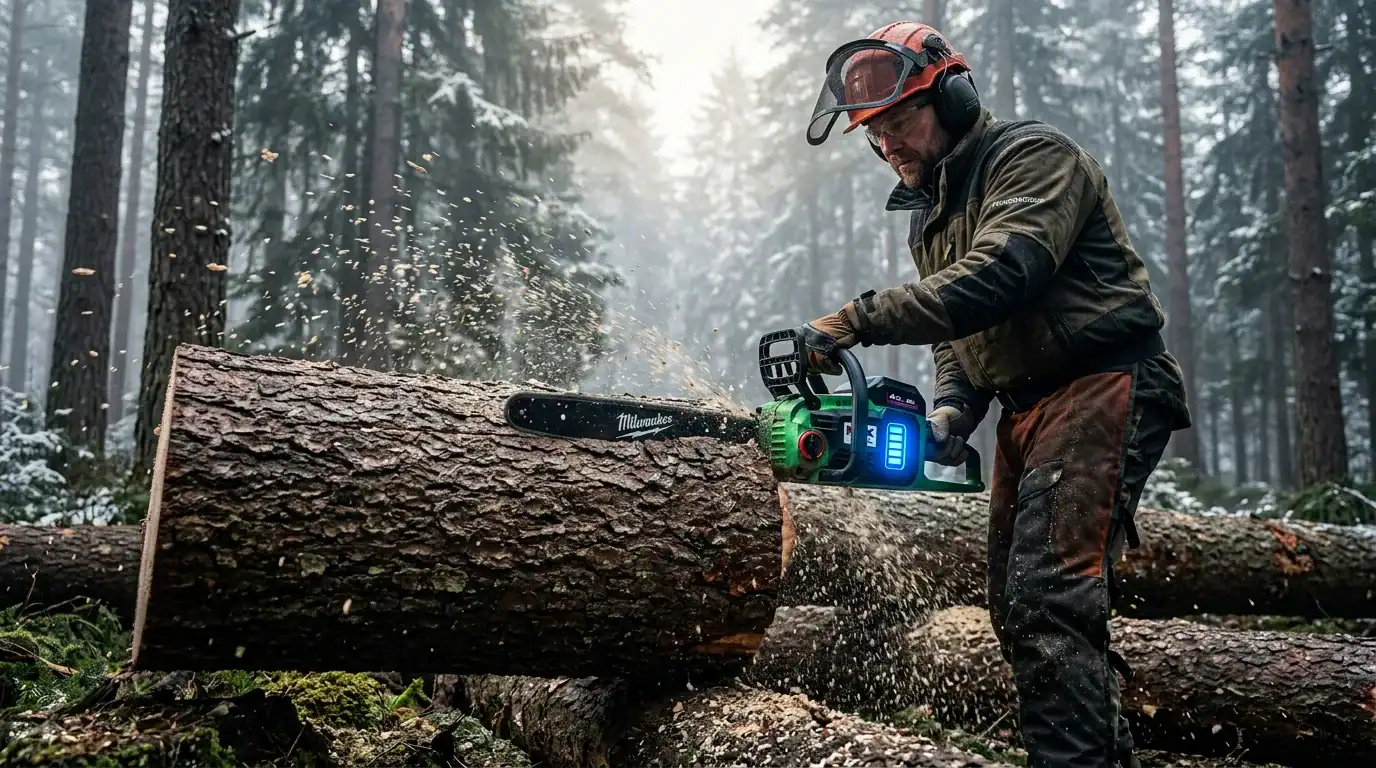
The Future of Felling: Are Battery Chainsaws Powerful Enough for Serious Woodcutting?

Introduction to Battery Chainsaws
Battery chainsaws have come a long way in recent years, and their capabilities have improved significantly. They offer a cleaner, quieter, and more environmentally friendly alternative to traditional gas-powered chainsaws. But are they powerful enough for serious woodcutting tasks? As a chainsaw expert, I’ll delve into the world of battery chainsaws and explore their capabilities, advantages, and limitations. Whether you’re a homeowner, landowner, or professional logger, this article will provide you with the information you need to decide if a battery chainsaw is right for you.
Table Of Content
- Introduction to Battery Chainsaws
- Understanding Battery Chainsaw Power and Performance
- Voltage and Amp-Hours: What Do They Mean?
- Benefits of Battery Chainsaws for Serious Woodcutting
- Instant Start, Reduced Noise, and Zero Emissions
- The Limitations of Battery Chainsaws
- Extended Run-Time and Large Diameter Felling
- Making Your Choice: Actionable Advice
One of the most significant advantages of battery chainsaws is their ease of use. They require minimal maintenance, and their electric motors produce zero emissions, making them ideal for use in enclosed spaces or residential areas. Additionally, battery chainsaws are generally quieter and produce less vibration than gas-powered chainsaws, reducing fatigue and making them more comfortable to use. But what about their power and performance? Can they handle the demands of serious woodcutting?
To answer this question, let’s take a look at some real-world examples. I’ve had the opportunity to work with several battery chainsaw models, including the Husqvarna 536Li and the DeWalt 60V Max. These saws have impressed me with their power and performance, handling tasks such as felling small to medium-sized trees, bucking firewood, and clearing brush with ease. But what about larger, more demanding tasks? Can battery chainsaws handle the heavy-duty work?
Understanding Battery Chainsaw Power and Performance
Voltage and Amp-Hours: What Do They Mean?
When it comes to battery chainsaws, voltage and amp-hours are two critical factors that determine their power and performance. Voltage, measured in volts (V), represents the chainsaw’s “horsepower,” while amp-hours (Ah) represent the “fuel tank size.” A higher voltage generally means more power for tougher cuts, while a higher Ah rating means longer run-time between charges. For serious woodcutting, look for battery chainsaws with a voltage of 60V or higher, often with 5-10 Ah batteries.
For example, the Makita 80V XCU08 battery chainsaw features a high-torque brushless motor and a 5.0 Ah battery, providing up to 45 minutes of run-time per charge. This saw is capable of handling demanding tasks such as felling large trees and bucking firewood, making it an excellent choice for serious woodcutting. But what about the benefits of brushless motors?
Brushless motors are a game-changer in the world of battery chainsaws. They offer improved efficiency, reduced heat generation, and increased torque and power delivery compared to traditional brushed motors. This results in better performance, longer motor life, and reduced maintenance. When combined with a high-voltage battery and a robust bar and chain system, brushless motors enable battery chainsaws to tackle even the most demanding tasks.
Benefits of Battery Chainsaws for Serious Woodcutting
Instant Start, Reduced Noise, and Zero Emissions
Battery chainsaws offer several benefits that make them an attractive choice for serious woodcutting. One of the most significant advantages is their instant start capability. No more pull cords, choke, or priming – just press a button, and you’re ready to cut. This convenience is especially useful for homeowners and landowners who may not use their chainsaws frequently.
Another significant benefit of battery chainsaws is their reduced noise and vibration. This makes them ideal for use in residential areas or early in the morning, reducing the risk of disturbing neighbors. Additionally, battery chainsaws produce zero emissions, making them a more environmentally friendly choice than traditional gas-powered chainsaws. But what about their maintenance requirements?
Battery chainsaws require significantly less maintenance than gas-powered chainsaws. There’s no need to mix fuel, clean air filters, or replace spark plugs. Simply keep the chain sharp and the bar oiled, and your saw will be ready to go. This reduced maintenance requirement makes battery chainsaws an excellent choice for those who want a hassle-free woodcutting experience.
The Limitations of Battery Chainsaws
Extended Run-Time and Large Diameter Felling
While battery chainsaws have come a long way, there are still some limitations to consider. One of the most significant limitations is their extended run-time. While battery chainsaws can handle demanding tasks, they may not be able to match the endurance of gas-powered chainsaws. However, carrying multiple charged batteries can significantly extend run-time, making them a viable option for serious woodcutting.
Another limitation of battery chainsaws is their ability to handle large diameter felling. While they can handle smaller to medium-sized trees, they may struggle with larger, more demanding tasks. For example, felling trees over 24-30 inches in diameter, especially hardwoods, may require the power and torque of a larger gas-powered chainsaw. However, this is not to say that battery chainsaws are not capable of handling large diameter felling – it’s just that they may require more time and effort.
So, what’s the verdict? Are battery chainsaws powerful enough for serious woodcutting? The answer is a resounding yes. While they may have some limitations, battery chainsaws offer a range of benefits that make them an attractive choice for homeowners, landowners, and professionals. With their instant start capability, reduced noise and vibration, and zero emissions, battery chainsaws are an excellent choice for those who want a hassle-free woodcutting experience.
Making Your Choice: Actionable Advice
So, how do you choose the right battery chainsaw for your needs? Here are some actionable tips to consider. First, assess your needs – what type of woodcutting tasks will you be performing? If you’ll be felling small to medium-sized trees, bucking firewood, or clearing brush, a high-voltage battery chainsaw with a brushless motor is an excellent choice.
Next, consider your budget – while the initial cost of a powerful battery chainsaw and multiple batteries may be higher than a comparable gas model, the long-term savings on fuel and maintenance can balance it out. Look for professional-grade systems from reputable brands like Stihl, Husqvarna, Makita, and DeWalt, which offer robust battery platforms that can power a range of outdoor tools.
Finally, don’t be afraid to try out a battery chainsaw – you might be surprised at what these quiet giants can accomplish. With their improved power and performance, reduced maintenance requirements, and environmentally friendly design, battery chainsaws are an excellent choice for serious woodcutting tasks. So why not give one a try and experience the future of felling for yourself?