


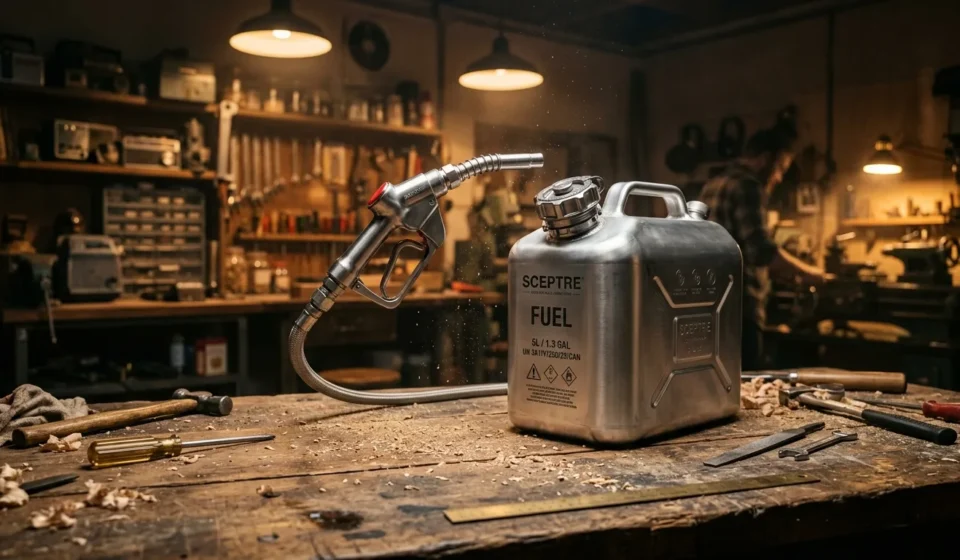

There’s nothing quite like the roar of a well-maintained chainsaw springing to life, ready to tackle a stack of logs. But that dependable start isn’t just about the saw itself; it begins with the fuel you pour into its tank. Improper fuel storage is a silent killer of small engines, leading to frustrating no-starts, costly repairs, and, most importantly, potential safety hazards. As someone who’s spent decades around these powerful tools, I can tell you that understanding how to store your chainsaw fuel properly is just as critical as knowing how to sharpen a chain or execute a felling cut. It’s a foundational skill for any homeowner or landowner who relies on their chainsaw.
Table Of Content
- Understanding Your Fuel: The Foundation of Good Storage
- Two-Stroke Mix vs. Straight Gasoline
- The Right Container: Your First Line of Defense
- Approved Containers: What to Look For
- Size Matters
- Mastering the Storage Environment: Location, Temperature, and Time Limits
- The Perfect Spot
- Temperature Control
- How Long Can You Store It?
- Beyond Storage: Safe Handling and Emergency Preparedness
- Fire Prevention Essentials
- Handling Spills and Disposal
- Pre-Mixed vs. DIY Mixing: A Storage Showdown
- The Case for Pre-Mixed Fuel
- DIY Mixing and Storage Challenges
Honestly, many people overlook this crucial aspect, thinking any old can in any old corner will do. But what would happen if that fuel degrades, or worse, creates a dangerous situation? This guide will walk you through everything you need to know, from selecting the right container to understanding fuel additives, ensuring your chainsaw always has the clean, potent fuel it needs, and keeping your property safe.
Understanding Your Fuel: The Foundation of Good Storage
Before we even talk about storage, let’s clarify what kind of fuel we’re dealing with. Most chainsaws, especially those popular with homeowners and landowners like a Stihl MS 271 Farm Boss or a Husqvarna 450 Rancher, use a two-stroke engine. This means they require a specific blend of gasoline and two-stroke engine oil. You can’t just dump straight gasoline in there; it will seize up the engine faster than you can say “timber.” The oil lubricates vital internal components, and the gasoline provides the power.
The real troublemaker in modern gasoline, however, is ethanol. This alcohol additive, commonly found in pump gas (E10, E15), is hydroscopic, meaning it loves to absorb moisture from the air. This moisture can lead to phase separation, where the ethanol and water separate from the gasoline and sink to the bottom of your fuel container or, even worse, your chainsaw’s fuel tank. This watery, corrosive mixture can wreak havoc on fuel lines, carburetors, and other plastic or rubber components, causing them to degrade, crack, and fail. Oxidation is another enemy, where gasoline reacts with oxygen over time, forming gummy deposits that clog fuel systems. That’s why simply leaving fuel in your chainsaw or a regular gas can for months is a recipe for disaster.
Two-Stroke Mix vs. Straight Gasoline
Whether you’re mixing your own 50:1 or 40:1 ratio for your chainsaw or storing pure gasoline for other equipment, the principles of good storage largely remain the same, but the urgency can vary. Mixed fuel has a slightly shorter shelf life because the oil can also degrade. It’s a delicate balance, and ignoring it will lead to frustrating starting issues and potentially expensive repairs down the line. Based on my experience, I’ve seen countless chainsaws brought into the shop with carburetors choked with varnish and gunk, all because of stale or improperly stored fuel.
The Right Container: Your First Line of Defense

Your choice of fuel container is paramount for both safety and fuel longevity. This isn’t just about convenience; it’s about preventing spills, fires, and fuel degradation. You might be tempted to use an old soda bottle or a cheap plastic jug, but please, resist the urge. This is where cutting corners can have serious consequences.
Approved Containers: What to Look For
Always use containers specifically designed and approved for fuel storage. In the U.S., look for cans that meet ASTM (American Society for Testing and Materials) standards, specifically ASTM F852, or those that are UL (Underwriters Laboratories) listed. These containers are built to withstand internal pressure, prevent leaks, and resist corrosion. They are typically made from durable plastic or metal. Plastic cans are lighter and won’t rust, but can sometimes swell or become brittle over time. Metal cans are robust and less prone to static discharge, but can rust if not properly cared for. Both types, when approved, are excellent choices.
A good fuel can will also have a secure, leak-proof spout that allows for controlled pouring, minimizing spills. Many modern cans feature CARB (California Air Resources Board) or EPA-compliant spouts, designed to reduce evaporative emissions. While these can sometimes be a bit finicky to use initially, they are crucial for environmental protection and minimizing hazardous fumes. Make sure your container also has a clear, visible label indicating its contents (e.g., “Mixed Chainsaw Fuel 50:1” or “Unleaded Gasoline”). This prevents dangerous mix-ups, especially if you have multiple types of fuel for different equipment.
Size Matters
Don’t buy a 5-gallon container if you only use your chainsaw a few times a year. Fuel degrades, and buying more than you’ll use in a reasonable timeframe is wasteful and counterproductive. For most homeowners, a 1-gallon or 2.5-gallon fuel can is more than sufficient for mixed fuel, allowing you to cycle through it relatively quickly. For straight gasoline, a 5-gallon can might be acceptable if you have multiple pieces of equipment that use it frequently. Remember, smaller batches mean fresher fuel, reducing the need for extensive stabilization.
Mastering the Storage Environment: Location, Temperature, and Time Limits
So far we’ve covered the basics of fuel and the importance of approved containers. Now let’s get to the really critical point: where and how you store that fuel. This is where most people make mistakes, often unintentionally, that can severely impact fuel quality and safety.
The Perfect Spot
Your fuel should always be stored in a cool, dry, well-ventilated area, away from direct sunlight and any ignition sources. A detached shed is often ideal. If you must store it in a garage, ensure it’s in a corner away from water heaters, furnaces, clothes dryers, or any electrical outlets that could spark. Never store fuel inside your home, even in a basement. The fumes are dangerous, flammable, and unhealthy to breathe. Furthermore, keep fuel containers off the ground, perhaps on a sturdy shelf, to prevent corrosion from moisture and to make them less accessible to children or pets. Imagine this situation: you’ve just finished a long day of cutting, feeling tired, and you absentmindedly leave your fuel can on the garage floor near a running space heater. A small leak, a stray spark, and suddenly you have a potentially catastrophic fire on your hands. It sounds dramatic, but these accidents happen.
Temperature Control
Extreme temperatures are detrimental to fuel. Heat accelerates the breakdown process, causing evaporation and promoting the formation of those gummy deposits we talked about. Freezing temperatures aren’t ideal either, as they can cause condensation inside the container, introducing water into your fuel. Aim for a stable temperature range, ideally between 50-70°F (10-21°C). This stability minimizes expansion and contraction of the fuel and container, which can lead to leaks and increased air exposure.
How Long Can You Store It?
Without a stabilizer, regular gasoline begins to degrade significantly within 30-60 days. Mixed two-stroke fuel degrades even faster, sometimes in as little as 30 days. This is where fuel stabilizers become your best friend. Products like STA-BIL or PRI-G are designed to prevent oxidation and inhibit ethanol-related problems. When added according to manufacturer instructions, a good fuel stabilizer can extend the life of your gasoline to 6-12 months, and sometimes even up to 2 years for premium formulations. I always recommend using a stabilizer, especially if you don’t use your chainsaw frequently. Add it to your fresh fuel mix as soon as you make it, not just when you’re preparing for long-term storage. This proactive approach ensures the fuel is protected from day one.
- Short-term (1-3 months): Use fresh fuel with a stabilizer.
- Medium-term (3-12 months): Use fresh fuel with a high-quality stabilizer. Consider using pre-mixed, ethanol-free fuel for your chainsaw.
- Long-term (1+ years): Seriously consider pre-mixed, ethanol-free fuel. For bulk gasoline, rotate your stock by using older fuel in your car (if it’s still good) and refilling with fresh.
Beyond Storage: Safe Handling and Emergency Preparedness
Proper storage is just one piece of the puzzle. How you handle fuel, from pouring to disposing of old batches, also plays a critical role in safety and equipment longevity. Let me add something here: even the best storage practices can be undone by careless handling.
Fire Prevention Essentials
Always refuel your chainsaw outdoors, away from any open flames, sparks, or heat sources. Turn off the engine and let it cool down before refueling; a hot muffler can easily ignite spilled fuel vapors. Never smoke while handling fuel. Keep a fully charged, readily accessible ABC-rated fire extinguisher nearby in your workshop or garage where fuel is stored. Ensure your storage area is equipped with good ventilation to prevent the buildup of flammable vapors. If you detect a strong fuel odor, investigate immediately and address the source.
Handling Spills and Disposal
Accidents happen, so be prepared for a spill. Keep absorbent materials like cat litter, sand, or commercial spill pads readily available. If a spill occurs, contain it immediately, absorb the fuel, and dispose of the contaminated material properly according to local hazardous waste regulations. Never wash spilled fuel down a drain or into the storm sewer system. For old, unusable fuel, do not simply throw it in the trash. Most communities have hazardous waste collection sites or events where you can safely dispose of old gasoline and oil mixtures. Check with your local waste management facility for guidance. To be fair, this might seem like a lot of extra steps, but responsible disposal protects our environment and prevents serious hazards.
Pre-Mixed vs. DIY Mixing: A Storage Showdown
For chainsaw owners, there’s an ongoing debate: should you mix your own fuel, or buy pre-mixed, canned fuel? When it comes to storage, the answer often leans heavily towards the pre-mixed option for many users.
The Case for Pre-Mixed Fuel
Pre-mixed chainsaw fuel, such as Stihl MotoMix or Husqvarna XP Power 2, comes in sealed cans and offers several significant advantages for storage. Firstly, it’s typically ethanol-free, eliminating the biggest problem associated with fuel degradation and engine damage. Secondly, these fuels are often made with high-quality synthetic oils and sophisticated stabilizers, giving them an incredibly long shelf life – often two to five years, even after opening the can. This means you don’t have to worry about freshness or adding stabilizers yourself. For homeowners who use their chainsaw intermittently, maybe only a few times a year for storm clean-up or firewood, pre-mixed fuel is, in my opinion, a no-brainer. It simplifies your life, protects your engine from ethanol damage, and ensures you always have fresh, ready-to-use fuel.
DIY Mixing and Storage Challenges
If you prefer to mix your own fuel – perhaps because you use your chainsaw very frequently and go through large quantities, or for cost reasons – then strict adherence to the storage guidelines mentioned above becomes even more critical. You’ll need to:
- Always use fresh, high-octane (89+), ethanol-free gasoline if possible.
- Add a quality two-stroke oil specifically designed for air-cooled engines (e.g., JASO FD or ISO-L-EGD rated).
- Immediately add a fuel stabilizer to your freshly mixed batch.
- Store it in an approved container in a cool, dry, well-ventilated location.
- Keep track of the mixing date and aim to use the fuel within 60-90 days, even with a stabilizer, for optimal performance.
The extra effort of DIY mixing means more vigilance is required for proper storage. But for professional users or those who burn through fuel quickly, it can still be the most economical option. Just don’t let it sit too long!
Mastering chainsaw fuel storage is more than just a chore; it’s an investment in your equipment’s longevity and, most importantly, your safety. By choosing the right containers, understanding the enemy that is ethanol, using fuel stabilizers wisely, and creating a safe storage environment, you’re ensuring that your chainsaw is always ready to work when you are. Don’t let stale fuel turn your next cutting project into a frustrating breakdown. Take these actionable steps today, and you’ll enjoy reliable starts and powerful performance from your chainsaw for years to come. Your equipment, and your peace of mind, will thank you for it.