


Greetings, fellow woodcutters and outdoor enthusiasts! As someone who’s spent countless hours with chainsaws of all types, I’ve seen the revolution that cordless models have brought to our work. They offer incredible convenience, less noise, and zero emissions, but their performance is only as good as their battery. To truly get the most out of your investment, you need to treat that power pack right. Let’s dive into how you can maximize battery life and performance for your cordless chainsaw, ensuring you get more cuts, longer runtimes, and a reliable tool for years to come.
Table Of Content
Understanding Your Cordless Chainsaw Battery
Most modern cordless chainsaws, whether they’re a compact 40V model for light pruning or a robust 80V monster tackling larger logs, rely on Lithium-ion (Li-ion) batteries. These batteries are fantastic because they offer high energy density and don’t suffer from the “memory effect” that plagued older battery types. However, they do have specific needs when it comes to charging, storage, and usage.
The Golden Rules of Charging
Proper charging is the bedrock of long battery life. Here’s what you need to know:
- Use the Manufacturer’s Charger: This is non-negotiable. Each battery system is optimized for its specific charger. Using off-brand or incompatible chargers can damage the battery, reduce its lifespan, or even pose a safety risk.
- Charge in Moderate Temperatures: Avoid charging in extreme heat or cold. The ideal charging temperature range is typically between 50°F (10°C) and 80°F (27°C). Charging a hot battery (right after heavy use) or a very cold one can stress the cells and shorten its life.
- Don’t Over-Discharge (Usually): While Li-ion batteries don’t have a memory effect, consistently running them down to absolute zero isn’t ideal for long-term health. Most modern battery packs have internal electronics that prevent deep discharge, but it’s still a good habit to recharge before the battery completely dies.
- No Need for Full Discharges: Unlike older NiCad batteries, Li-ion batteries don’t benefit from being fully discharged before recharging. You can top them off whenever convenient without harm.
Smart Storage for Longevity
How you store your batteries when not in use significantly impacts their lifespan:
- Store at Partial Charge: For long-term storage (more than a few weeks), store your Li-ion batteries at around 30-50% charge. This is often referred to as a “storage charge.” Many smart chargers have a storage mode. Storing them fully charged or completely depleted for extended periods can accelerate degradation.
- Keep Them Cool and Dry: Store batteries in a cool, dry place away from direct sunlight, moisture, and extreme temperatures. A shed or garage that gets very hot or cold is not ideal.
- Remove from the Tool: Always remove the battery from your chainsaw when not in use or during storage to prevent parasitic drain and accidental activation.
Optimizing Usage for Peak Performance
Beyond charging and storage, your actual cutting practices play a huge role in battery efficiency and overall performance:
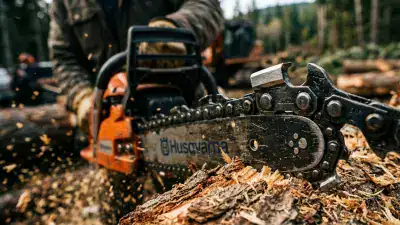
- Keep Your Chain Razor Sharp! This is perhaps the single most critical factor. A sharp chain glides through wood, requiring minimal effort from the motor. A dull chain, however, forces the motor to work harder, draining the battery much faster and generating more heat. Trust me, learning to sharpen your chain is one of the best investments of time you can make. Best Professional Chainsaw has many resources on chain sharpening.
- Maintain Proper Chain Tension: A chain that’s too loose can derail; one that’s too tight creates excessive friction, forcing the motor to work harder and wasting battery power.
- Ensure Adequate Bar and Chain Oil: Proper lubrication minimizes friction and heat buildup, both of which are enemies of battery life and cutting efficiency. Always check your oil level before and during use.
- Let the Saw Do the Work: Don’t force the saw. Apply gentle, consistent pressure. Pushing too hard bogs down the motor, wastes battery power, and can even damage your saw.
- Match the Saw to the Task: While powerful, cordless chainsaws have limits. Don’t expect a small 12-inch bar, 40V saw to tackle massive hardwood trunks all day. Using a saw beyond its intended capacity will quickly drain batteries and shorten their life.
- Battery Rotation: If you have multiple batteries, rotate their use. This helps ensure even wear and tear across your battery pack inventory.
- Allow Batteries to Cool: After heavy use, batteries can get warm. Avoid immediately putting a hot battery on the charger. Let it cool down to room temperature first.
Regular Maintenance and Inspection
A little vigilance goes a long way:
- Clean Battery Terminals: Periodically inspect and clean the battery terminals and the chainsaw’s battery port. Dirt or debris can interfere with charging and power delivery.
- Inspect for Damage: Always check your battery for any signs of physical damage, cracks, swelling, or leaks. A damaged battery is a safety hazard and should be replaced immediately.
- Keep Saw Vents Clear: Ensure the cooling vents on your chainsaw motor housing are free from sawdust and debris. An overheated motor works harder, draining the battery faster.
Final Thoughts from the Pro
Your cordless chainsaw is a fantastic tool, offering convenience and power for a wide range of tasks, from limbing branches with a Greenworks 40V to felling smaller trees with a Stihl MSA 300. By following these practical tips for charging, storage, and usage, you’ll not only extend the life of your expensive batteries but also ensure your chainsaw is always ready to deliver maximum performance when you need it most. Treat your batteries well, and they’ll serve you reliably for countless cuts to come!