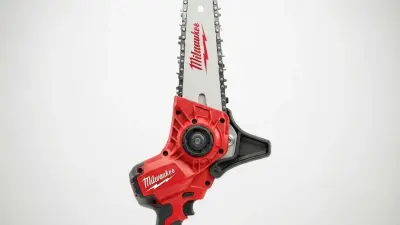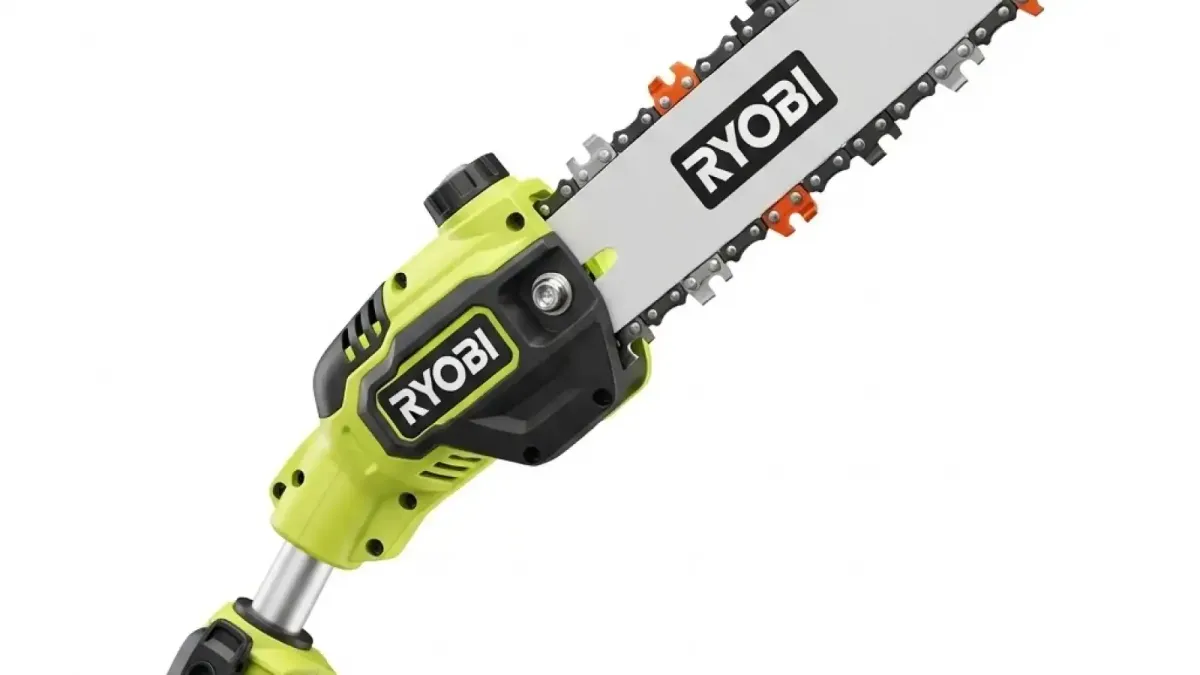
Quick answer: The Ryobi Expand-It 10-Inch pole saw Attachment provides up to 12 feet of overhead reach when paired with standard drive shafts. It delivers exceptional versatility across Ryobi's 18V ONE+, 40V, and 2-stroke gas powerheads, as well as universal split-shaft trimmers from other major brands. For best results, pair it with a 40V brushless or gas head to comfortably cut limbs up to 6–8 inches in diameter.
Understanding the Ryobi Expand-It System Architecture
The core advantage of Ryobi's attachment system lies in its universal split-shaft coupler. Instead of requiring a dedicated engine or battery motor for every outdoor tool, the system uses a single powerhead that drives various quick-connect attachments through a inner steel drive shaft. The 10-inch pruner attachment converts rotational energy from the base unit into chain rotation using a compact inline bevel gearbox situated right at the saw head. Compatibility is broad across the outdoor power equipment industry. Beyond working natively with Ryobi's 18V ONE+, 40V lithium-ion, and 25cc-30cc 2-stroke gas powerheads, this attachment utilizes a standard 1-inch outer tube diameter with a square drive shaft insert. This means it connects smoothly with split-shaft trimmers from brands like Toro, Troy-Bilt, Cub Cadet, and Craftsman. Investing in a quality modular attachment allows you to upgrade your power source later—moving from gas to cordless, or upgrading battery platforms—without having to replace your cutting attachments.| Specification | Ryobi Expand-It 10'' pole saw attachment (RYPRN) |
| Bar and Chain Length | 10 inches |
| Cut Capacity | Up to 6 to 8 inches in diameter |
| Chain Pitch | 3/8" Low Profile (LP) |
| Chain Gauge | Typically .043" or .050" |
| Oiling System | Automatic Oiler |
| Chain Tensioning | Tooled (Wrench-based) |
| Universal Fit | Yes (Fits most attachment-capable trimmers/powerheads) |
Key Specifications and Performance Benchmarks
When evaluating a pole saw attachment, the bar length, chain speed, and bar oiling mechanism determine how effectively it slices through softwoods and hardwoods. The Ryobi Expand-It pruner head features an Angled 10-Inch Bar paired with a narrow-kerf 3/8-inch Low Profile (LP) chain. The angled head configuration improves leverage, allowing the weight of the saw to resting directly on the branch, which reduces operator fatigue during continuous overhead cutting.| Specification Feature | Ryobi Expand-It Attachment Value | Practical Application / Notes |
|---|---|---|
| Guide Bar Length | 10 Inches (25 cm) | Effective cutting diameter up to 8 inches |
| Chain Pitch & Gauge | 3/8" Low Profile, .043" Gauge | 40 Drive Links (DL); fast, narrow-kerf cuts |
| Max Overhead Reach | Up to 12 Feet (with operator height) | Expandable with standard Ryobi extension shafts |
| Oil Reservoir Capacity | approx. 2.0 fl oz (60 ml) | Automatic oiler with translucent tank level viewer |
| Average Attachment Weight | 4.2 lbs (1.9 kg) dry weight | Excludes the weight of the attached powerhead |
Power Source Comparison: 18V vs. 40V vs. Gas Powerheads
Matching the attachment with the right powerhead fundamentally changes how the tool cuts. While the attachment head itself is identical, the torque output, rotational chain speed (measured in feet per minute), and overall tool balance depend entirely on the engine or motor mounted on the opposite end of the shaft. Choosing the right power system depends on your yard size and branch thickness.Pro tip: New pole saw chains stretch significantly during their first 15–20 minutes of operation due to friction heat and initial rivet bedding. Always check chain tension after making your first three cuts. A slack chain on a extended pole saw easily jumps off the guide bar nose sprocket, which can nick the drive links and damage the bar groove. Keep a combination wrench (scre wrench) in your pocket while pruning.
Proper Cutting Techniques and Safe Operation
Operating a pole saw overhead requires strict attention to positioning and cutting physics. Unlike standard ground-level cutting covered in basic chainsaw safety guidance, working under a canopy subjects the operator to falling wood debris, kickback hazards, and overhead utility lines. Always wear Personal Protective Equipment (PPE) including ANSI-approved safety glasses, a hard hat with a face shield, heavy leather gloves, and steel-toe boots. When preparing to prune a heavy branch, never make a single top-down cut. Heavy limbs will tear away before the cut finishes, stripping the bark off the trunk and damaging the tree's living cambium layer. Instead, use the three-cut method:- First Cut (Under-cut): Make a relief cut on the underside of the limb about 6 to 12 inches away from the trunk. Cut upwards about one-third of the way through the branch diameter.
- Second Cut (Top Removal): Move your saw bar 2 inches further out on the branch away from the trunk. Cut straight down from the top until the weight of the branch snaps it off clean at the undercut.
- Third Cut (Final Collar Trim): Carefully trim the remaining stub near the branch collar—the swollen area where the branch meets the main trunk—making a clean finish cut that promotes fast natural healing.
Maintenance and Replacement Parts Guide
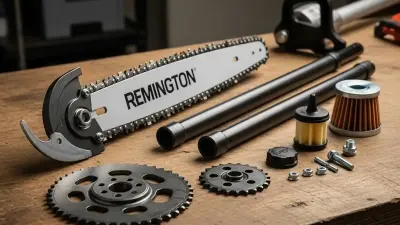
Proper maintenance keeps your Ryobi Expand-It pole saw running smoothly year after year. The primary maintenance focus must be placed on chain tension, bar wear, and the automatic oil distribution port. After every two hours of operation, wipe down the guide bar groove using a thin utility blade to remove packed sawdust and oil residue. Ensure the small oil inlet hole near the mounting end of the bar is clear of obstructions so lubricant can reach the chain drive links. Over time, components naturally wear out under heavy use. Replacing worn items promptly prevents unnecessary stress on your powerhead motor gearbox:- replacement chain: Look for a 10-inch, 3/8" LP pitch, .043" gauge chain with 40 drive links (such as Oregon R40 or equivalent Ryobi replacement chain).
- Guide Bar: Replace the bar if the side rails develop uneven wear or if the nose sprocket stops spinning freely.
- Sprocket Cover and Tensioner Screw: Check the internal plastic side cover for hair-line cracks and keep the tensioning bolt greased to prevent thread stripping.
- Drive Shaft Inner Core: Periodically pull the inner square steel drive rod from the shaft housing and apply a fresh coat of lithium grease to minimize internal friction and noise.
For most homeowners managing mature suburban yards, pairing the Ryobi Expand-It 10-Inch Pole Saw Attachment with a 40V brushless powerhead strikes the ideal balance between raw cutting force and easy starting. Start by inspecting your trees from the ground, mapping out your cuts, equipping proper eye and head protection, and keeping your saw chain properly tensioned and oiled throughout the job.
Frequently Asked Questions
Can I add an additional extension shaft to get more reach with the Ryobi pole saw?
Yes, you can add an official Ryobi Expand-It extension shaft to extend your reach by an additional 3 feet. However, adding multiple extension shafts makes the overall assembly very top-heavy, increases shaft flex, and can strain the internal drive components. Using more than one extension is generally not recommended by the manufacturer.
What type of oil should I put in the pole saw attachment reservoir?
Always use standard petroleum or vegetable-based bar and chain oil. In emergency situations during warm weather, SAE 30 motor oil can be used temporarily, but dedicated bar oil contains tackifier additives that keep the oil sticking to the chain at high speed, preventing excessive sling and friction.
Why is my pole saw chain spinning, but not cutting through wood?
If the chain moves smoothly but creates fine wood dust instead of distinct wood chips, the chain teeth are dull and require filing or replacement. Alternatively, check if the chain was installed backward during its last cleaning; the sharp cutting edges on the top rail of the bar must face forward, away from the powerhead handle.
Sources
- Ryobi Tools Official Expand-It Technical Specifications
- ANSI B175.1 Safety Requirements for Portable Hand-Held Power Cutters
- OSHA 1910.266 Logging Operations Standards and Tree Trimming Safety