Disclosure: As an Amazon Associate, we earn from qualifying purchases.
For cutting dense Australian hardwoods like Ironbark, Spotted Gum, Jarrah, and River Red Gum, a standard steel semi-chisel chain is the single best chainsaw chain for roughly 90% of operators. While full chisel chains cut faster in clean softwood, their aggressive 90-degree square edges dull almost instantly when contacting hard, seasoned timber or bark coated in abrasive bush dust. Semi-chisel cutters feature a rounded working corner that retains a sharp cutting edge up to three times longer, reduces kickback risk, and files easily in the field. For specialized tasks involving burnt timber or mud-soaked logs, a tungsten carbide chainsaw chain provides maximum longevity, though at a higher purchase price and requiring specialized diamond grinding wheels for maintenance.
Why Australian Timbers Require Specialized Chainsaw Chains
Australian native hardwoods represent some of the dense timber species in the world. Species such as Grey Ironbark and Red Ironbark boast a Janka hardness rating of up to 14.0 kN, making them substantially harder than European Oak or North American Maple. Cutting these woods generates extreme heat, friction, and resistance against the chainsaw bar and cutters.
In addition to density, Australian bush conditions present unique hazards for cutting gear:
- High Silica Content: Species such as Brush Box and Turpentine carry natural silica deposits in their wood grain, acting like sandpaper against chrome-plated cutter teeth.
- Seasoned Hardness: Fallen limbs and seasoned firewood dry out over time, turning tough green wood into concrete-like logs that chew through soft steel.
- Abrasive Bush Grit: Sand, dirt, and fine clay collect in the deep furrows of native bark, rounding off sharp cutter corners within seconds of contact.
Cutter Profiles Compared for Australian Native Timber
Understanding cutter profile geometry is vital before purchasing replacement chain loops. Choosing the wrong tooth style leads to premature dulling, high fuel consumption, engine strain, and severe operator fatigue.
Semi-Chisel Chain
Semi-chisel cutters feature a slightly rounded corner radius between the top plate and side plate. This design distributes impact forces evenly across the tooth surface when striking dense hardwood fibers. Because the leading corner lacks a fragile 90-degree tip, semi-chisel chains resist chipping and retain their cutting performance even in dirty, dry timber. Professional loggers and landowners across Australia widely treat semi-chisel as the go-to default setup for daily woodcutting.
STIHL 33RS 114 Rapid Super Saw Chain, 3/8" Pitch, .050" Gauge, 114 Drive Links, 3623 002 0114

Full Chisel Chain
Full chisel cutters feature a sharp, square 90-degree corner. In softwoods or clean plantation timber, full chisel chains slice through fibers with high initial speed. However, when applied to seasoned Spotted Gum or Ironbark, the fragile square tip dulls rapidly. A single contact with dirty bark can force you to stop and refile the entire chain loop. For this reason, full chisel is generally reserved for clean timber felling or speed competitions rather than everyday firewood production.
Tungsten Carbide Chain
A carbide chainsaw chain features micro-welded tungsten carbide tips bonded to steel cutter bodies. These chains remain sharp up to ten times longer than standard steel when cutting dirty, burnt, or soil-encrusted logs. However, carbide is brittle; striking embedded fence wire, nails, or rocks can shatter the tooth tips. Additionally, carbide cannot be sharpened with a standard handheld round file in the field, requiring dedicated bench-mounted diamond sharpening wheels.
Chainsaw Chain Specification Comparison
The table below summarizes performance differences across common chain configurations when cutting Australian native timber species:
| Chain Profile | Cutting Speed | Durability in Hardwood | Tolerance to Dirt | Ease of Sharpening |
|---|---|---|---|---|
| Standard Semi-Chisel (Steel) | Moderate / Smooth | Very High | High | Easy (Hand File) |
| Full Chisel (Steel) | Fast (Clean Timber) | Low | Very Low | Moderate (Hand File) |
| Tungsten Carbide-Tipped | Moderate | Exceptional | Extreme | Requires Diamond Wheel |
| Chamfer / Micro-Chisel | Moderate | High | Moderate to High | Easy (Hand File) |
Matching Chain Specifications to Your Chainsaw Setup
Selecting the right cutter profile is only half the battle. You must match the chain pitch, gauge, and drive link count precisely to your chainsaw powerhead and guide bar.
Pitch and Gauge Considerations
Oregon 75EXL084G Low-Vibration, Full Chisel Cutter Saw Chain, 3/8" Pitch, .063" Gauge, Standard Sequence, 84 Drive Links,

For mid-sized gas saws (45cc to 60cc) and high-powered cordless units, .325 pitch with a .050 inch (1.3mm) gauge or .058 inch (1.5mm) gauge provides an ideal balance between cutting speed and chain strength. On heavy-duty professional saws (65cc and above), standard 3/8 pitch with a .063 inch (1.6mm) gauge is the industry standard for logging dense eucalyptus stands.
Matching Chain Pitch to Equipment Type
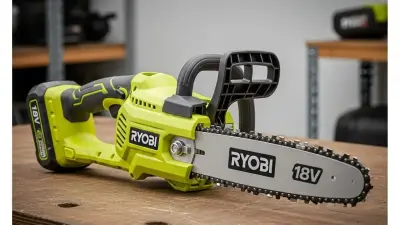
If you run modern cordless equipment, matching thin-kerf semi-chisel chains optimizes battery life while cutting hard logs. Equipment like the best battery chainsaw models benefit significantly from narrow kerf .325 mini or 3/8 LP (Low Profile) semi-chisel chains, as they reduce motor drag and heat buildup. Meanwhile, high-displacement gas saws—such as the best husqvarna chainsaw models in the 70cc+ range (e.g., Husqvarna 572XP or 395XP)—handle full 3/8 pitch heavy-gauge semi-chisel or chamfer chisel loops effortlessly under load.
Top Chainsaw Chain Brands and Recommended Models
When selecting a high-durability chain for native timber, several proven manufacturer series stand out:
- Stihl Rapid Duro (RD3 / Carbide): Designed specifically for dirty, abrasive, or burnt timber. Features full carbide tips that outlast steel in severe conditions.
- Stihl Rapid Micro (RM / RM3): Premium steel semi-chisel chain offering exceptional edge retention, low vibration, and clean cutting across Australian hardwoods.
- Oregon 20BPX / 21BPX / 72V ControlCut: Outstanding semi-chisel options featuring Oregon's LubriTec oiling systems to reduce heat friction on dry wood logs.
- Carlton K1L / K2L Semi-Chisel: Popular budget-friendly, heavy-duty steel chains known for tough chrome plating and excellent grit resistance in paddock work.
Maintenance Tips for Long Chain Life in Hardwood
Even the best chainsaw chain will dull quickly without proper operational care. Follow these field-tested guidelines to keep your saw cutting efficiently:
- Maintain High Bar Oil Flow: Hardwood friction generates intense heat. Set your oil pump to maximum output and use high-tack bar and chain lubricant.
- Touch Up Cutters Frequently: Do not wait until the saw stops throwing wood chips. Give each cutter 2 to 3 light passes with a round file every time you refuel.
- Keep Rakers (Depth Gauges) Correct: Maintain depth gauges at 0.025 inches (0.65 mm). Setting rakers too low causes the cutters to bite too deeply, stalling the engine or snapping chain drive links in dense timber.
- Monitor Chain Tension: High heat causes drive straps to stretch. Check tension regularly to avoid thermal expansion throw-offs.
Husqvarna X-Cut S83G 24 Inch Semi Chisel Chainsaw Chain, 3/8" Pitch, .050 Gauge

Frequently Asked Questions
Is a full chisel chain faster than semi-chisel for cutting Australian hardwood?
Full chisel cuts faster only during the first few cuts in completely clean timber. In dirty or seasoned hardwood, full chisel dulls rapidly, whereas semi-chisel maintains a sharp edge longer and achieves higher overall cutting productivity throughout the workday.
When is a carbide chainsaw chain worth the extra cost?
A carbide chain is worth investing in when frequently cutting burnt logs, wood dragged through soil, stump grinding remnants, or waterlogged timber. For general firewood cutting or property upkeep, high-quality steel semi-chisel remains more cost-effective and easier to sharpen.
What file angle should I use when hand-filing semi-chisel chain for hardwood?
A 30-degree top-plate filing angle is standard, but dropping the angle down to 25 degrees creates a slightly blunter, stronger cutting edge that resists chipping in extreme hardwoods like Grey Ironbark.