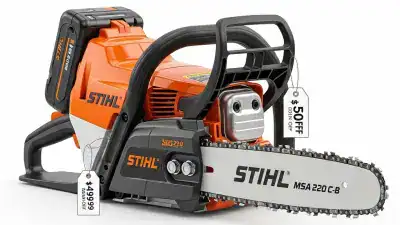



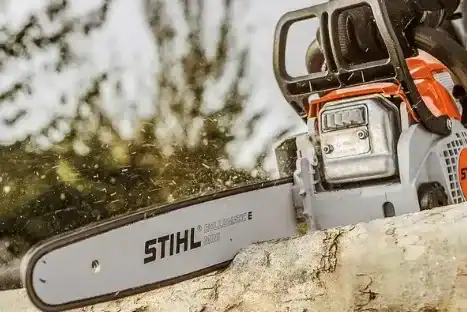

Ah, the Stihl MS 290. If you’ve spent any time around serious homeowners, landowners, or even professional loggers who appreciate a solid, no-nonsense workhorse, chances are you’ve heard whispers of its reputation. While not officially bearing the “Farm Boss” moniker (that title typically belongs to models like the MS 271 or MS 291), the MS 290 earned a similar legendary status for its robust build and dependable performance, making it a go-to saw for tackling demanding tasks around the property. It bridges the gap perfectly between typical homeowner saws and heavier professional models, offering a compelling blend of power, durability, and user-friendliness.
Table Of Content
- Understanding Its Place in the Stihl Lineup
- Key Features That Matter
- Performance in the Field: What to Expect from the MS 290
- Power and Cutting Capabilities
- User Experience and Handling
- Essential Maintenance for Longevity
- Fuel and Lubrication: The Lifeblood of Your Saw
- Air Filter, Spark Plug, and Fuel Filter
- Bar and Chain Care
- General Inspection and Cleaning
- Safety First: Operating Your MS 290 Responsibly
- Personal Protective Equipment (PPE)
- Pre-Operation Checks and Safe Practices
- Understanding Kickback and How to Prevent It
- Conclusion
For many years, the MS 290 was the undisputed champion in its class, renowned for its ability to chew through firewood, fell medium-sized trees, and handle general property maintenance with ease. It’s a chainsaw that doesn’t shy away from hard work, designed for those who need more than just a casual trimming tool. In this comprehensive guide, we’ll dive deep into what made the Stihl MS 290 such a beloved machine, examining its core features, understanding its performance capabilities, and providing you with the essential maintenance knowledge to keep one running strong for years to come.
Understanding Its Place in the Stihl Lineup
The Stihl MS 290 was strategically positioned in Stihl’s product range to serve the needs of users who required more power and durability than a typical light-duty homeowner saw, but didn’t necessarily need the extreme power and higher price point of a dedicated professional model. With an engine displacement of 56.5 cubic centimeters (cc) and a power output of 3.8 brake horsepower (bhp), it delivered a significant punch for its weight class. This made it incredibly versatile for tasks like cutting substantial amounts of firewood, clearing storm damage, or even felling trees up to 20 inches in diameter.
Its reputation wasn’t just built on raw power; it was also about reliability. Stihl engineered the MS 290 to withstand the rigors of consistent use, making it a favorite among those who depended on their saw for regular, demanding work. This robust construction, combined with a reasonable price point, solidified its place as a top choice for landowners and serious DIY enthusiasts who wanted professional-grade performance without the full professional investment.
Key Features That Matter
What truly sets a Stihl chainsaw apart are the thoughtful features designed to enhance both performance and user comfort. The MS 290 was no exception, boasting several key innovations that contributed to its popularity and functionality:
- Anti-Vibration System: Stihl’s advanced anti-vibration system was crucial for reducing operator fatigue during prolonged use. By strategically placing dampeners between the engine and the handles, it significantly minimized vibrations transferred to the user’s hands and arms, allowing for longer, more comfortable cutting sessions.
- QuickStop® Inertia Chain Brake: Safety is paramount, and the QuickStop® chain brake is a cornerstone of Stihl’s safety features. This system can be activated manually by the operator or automatically by inertia during certain kickback situations, stopping the chain’s rotation in fractions of a second. This drastically reduces the risk of injury, giving users peace of mind.
- Side-Access Chain Tensioner: Adjusting chain tension is a frequent task, and the side-access tensioner on the MS 290 made this process much simpler and safer. Instead of reaching under the saw, operators could easily adjust the chain tension from the side, even with gloves on, ensuring optimal chain performance and safety.
- Master Control Lever™: This ingenious single lever combines the choke, starting throttle lock, and stop switch into one simple control. It streamlines the starting procedure and makes shutting down the saw intuitive, improving ease of use and reducing complexity for the operator.
- Adjustable Automatic Oiler: Proper chain and bar lubrication is critical for extending the life of your cutting attachment. The MS 290 featured an adjustable automatic oiler, allowing users to control the flow of bar and chain oil based on the type of wood, cutting conditions, and bar length, ensuring efficient lubrication and preventing premature wear.
- Ergonomic Design: Beyond specific features, the overall ergonomic design contributed to a balanced and comfortable user experience. With a dry weight of approximately 13.0 lbs (powerhead only), it struck a good balance between power and maneuverability, making it manageable for extended periods without excessive strain.
Performance in the Field: What to Expect from the MS 290
When you fire up an MS 290, you’re not just starting a machine; you’re unleashing a well-tuned workhorse ready to tackle serious wood. Its performance truly shines in real-world scenarios, making light work of tasks that would strain lesser saws. For homeowners and landowners facing consistent demands, understanding its capabilities is key to maximizing its potential and ensuring a safe, efficient cutting experience.
Imagine a crisp autumn morning, a pile of logs waiting to be bucked into firewood, or a fallen oak blocking your driveway. This is where the MS 290 steps up. It’s a saw designed for productivity, built to keep going when other saws might falter. Let’s delve into what you can truly expect when you put this chainsaw to work.
Power and Cutting Capabilities
The MS 290’s 56.5 cc engine and 3.8 hp output translate directly into robust cutting power, particularly when paired with its recommended guide bar lengths, typically ranging from 16 to 20 inches. For general property maintenance, cutting firewood, or clearing brush, a 16-inch or 18-inch bar is usually ideal, offering excellent maneuverability and chain speed. If you’re felling larger trees, up to 18-20 inches in diameter, a 20-inch bar can certainly handle the job, though you’ll want to ensure your cutting technique is sound and you’re not pushing the saw beyond its comfortable limits.
This saw excels at bucking (cutting a felled tree into smaller sections) and limbing (removing branches from a felled tree). It has enough torque to power through dense hardwoods like oak and maple, and its rapid chain speed makes quick work of softer woods. While it might not be the choice for felling massive old-growth timber—that’s the domain of professional saws with 70cc+ engines—it capably handles the vast majority of tasks a rural homeowner or small landowner will encounter. I’ve personally seen MS 290s bucking cord after cord of firewood, year after year, proving their mettle.
User Experience and Handling
Despite its power, the MS 290 is remarkably well-balanced and manageable for its class. The anti-vibration system significantly contributes to a more comfortable user experience, reducing the strain on your hands and arms. When you pick it up, you’ll notice it feels solid and substantial, inspiring confidence, yet it’s not overly heavy or cumbersome for extended use. Starting a cold MS 290 typically involves a few pulls on the choke, followed by a switch to half-throttle, and then it usually fires right up. Warm starts are even quicker, often requiring just a single pull.
One aspect to always remember with any 2-stroke engine, including the MS 290, is the importance of proper fuel mixture. Using a 50:1 mix of fresh, high-octane gasoline with high-quality 2-stroke oil (Stihl HP Ultra is highly recommended) is crucial for both performance and engine longevity. Using old fuel or incorrect mixtures can lead to poor performance, engine damage, and frustrating starting issues. A well-maintained MS 290, however, offers reliable, consistent power delivery and a satisfying growl as it tackles even the toughest wood.
Essential Maintenance for Longevity
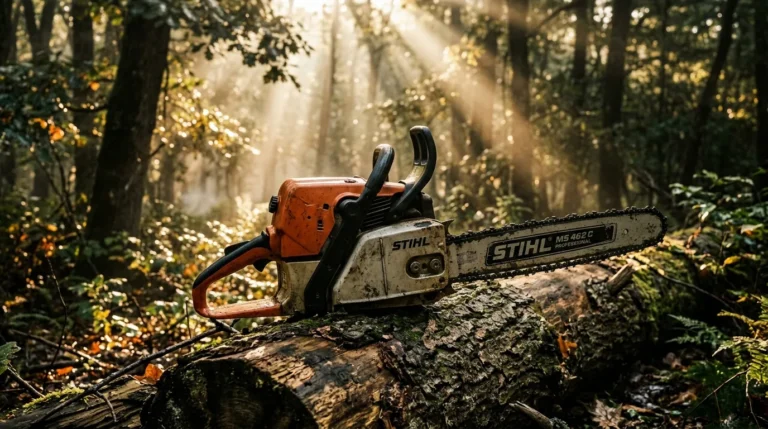
A Stihl MS 290, like any powerful piece of machinery, thrives on consistent and correct maintenance. Neglecting routine care isn’t just a recipe for decreased performance; it can lead to costly repairs and even compromise your safety. Think of it like a trusted friend: if you take care of it, it will take care of you. These maintenance practices are not difficult, but they are absolutely critical for extending the life of your chainsaw and ensuring it operates safely and efficiently for many years.
I’ve seen countless chainsaws come into the shop over the years, and nine times out of ten, the major issues could have been prevented with simple, regular maintenance. It’s an investment of a few minutes of your time that pays dividends in reliability and performance. Let’s break down the key areas you need to focus on to keep your MS 290 in prime condition.
Fuel and Lubrication: The Lifeblood of Your Saw
The first and arguably most important aspect of chainsaw maintenance starts with what you put into it. Your MS 290 runs on a 2-stroke engine, meaning it requires a specific mixture of gasoline and 2-stroke engine oil. Always use a high-quality, fresh, unleaded gasoline (89 octane or higher) mixed at a 50:1 ratio with Stihl’s recommended 2-stroke oil, such as Stihl HP Ultra. Using old fuel (over 30 days old), automotive oil, or an incorrect ratio can lead to severe engine damage, including piston scoring and carburetor issues.
Equally vital is your bar and chain oil. This is a specialized lubricant designed to adhere to the fast-moving chain and lubricate the guide bar, reducing friction and wear. Never substitute motor oil for bar and chain oil; motor oil is too thin and will sling off the chain almost immediately. Regularly check your oil reservoir before each use and ensure the automatic oiler is functioning by holding the saw over a piece of cardboard and observing a line of oil being slung from the chain. If no oil appears, check for clogs or issues with the oil pump.
Air Filter, Spark Plug, and Fuel Filter
These three components are crucial for consistent engine performance and ignition:
- Air Filter: A clean air filter is essential for proper air-fuel mixture and preventing dirt from entering the engine. Inspect and clean your air filter daily or after every few hours of use, especially in dusty conditions. Tap out loose debris, and if it’s heavily soiled, wash it with warm, soapy water, rinse thoroughly, and allow it to air dry completely before reinstalling. Replace it annually or if it shows signs of damage or excessive wear.
- Spark Plug: The spark plug provides the ignition for your engine. Inspect it periodically (e.g., every 25 hours of operation or annually). Look for signs of fouling (black, sooty deposits), wear on the electrode, or cracking. Clean off any deposits with a wire brush, and ensure the gap is set to the manufacturer’s specification (check your owner’s manual). Replace it annually or if performance issues arise.
- Fuel Filter: Located inside the fuel tank, the fuel filter prevents debris from reaching the carburetor. If your saw is experiencing fuel starvation, difficulty starting, or inconsistent performance, a clogged fuel filter is a common culprit. Replace the fuel filter annually or if you suspect it’s dirty. This is a relatively simple task, but ensure no debris enters the tank during the process.
Bar and Chain Care
The cutting attachment is where the magic happens, and proper care ensures efficient, safe cutting:
- Chain Sharpening: A sharp chain is not just about efficiency; it’s a safety feature. A dull chain forces you to push harder, increasing fatigue and the risk of kickback. Sharpen your chain frequently – ideally after every tank of fuel or whenever you notice the saw struggling to cut, producing sawdust instead of chips, or pulling to one side. For the MS 290, which typically uses a .325″ pitch chain, you’ll need a 7/32″ round file and a filing guide to maintain the correct angles (often 30 degrees for the top plate and 10 degrees for the side plate, with proper depth gauge settings). Learn this skill or have a professional sharpen it for you.
- Chain Tensioning: Correct chain tension is vital. A chain that’s too loose can derail, which is incredibly dangerous, while a chain that’s too tight can cause excessive wear on the bar, chain, and sprocket, and reduce power. The chain should be snug against the guide bar, but you should still be able to pull it around the bar freely with a gloved hand. Check tension frequently, especially when the chain is new or after it heats up during use.
- Bar Maintenance: The guide bar takes a beating. After every few uses, remove the bar, clean out the guide bar groove (where the chain rides) using a putty knife or Stihl’s bar groove cleaner. Inspect the rails for burrs; if present, file them flat with a flat file. Flip the bar periodically to ensure even wear on both sides. If your bar has a sprocket nose, lubricate it with a grease gun designed for this purpose.
General Inspection and Cleaning
Beyond the critical components, a thorough clean and inspection goes a long way:
- Cooling Fins and Exhaust: Regularly remove the engine cover and clean any sawdust or debris from the cooling fins to prevent overheating. Also, check the exhaust port for carbon buildup, which can restrict exhaust flow and reduce power.
- Nuts, Bolts, and Screws: Vibration can loosen fasteners. Periodically check all nuts, bolts, and screws, especially those holding the handle, chain brake, and engine covers, and tighten them as needed.
- Winter Storage: If storing your MS 290 for an extended period, drain the fuel tank or run the saw until it’s out of fuel to prevent fuel degradation and carburetor issues. Clean the saw thoroughly, remove the chain and bar, and store them separately. Apply a light coat of oil to metal surfaces to prevent rust.
Safety First: Operating Your MS 290 Responsibly
Operating a chainsaw like the Stihl MS 290 is inherently dangerous if not approached with the utmost respect and caution. It’s a powerful tool designed to cut through wood with incredible speed and force, and that power demands a commitment to safety from the operator. As an experienced outdoor equipment specialist, I can’t stress this enough: your safety, and the safety of those around you, depends entirely on following proper procedures and wearing the right protective gear. Don’t let familiarity breed complacency.
Every year, countless accidents occur due to improper technique, a lack of protective equipment, or simply rushing the job. Taking a few extra moments for preparation and understanding the risks can mean the difference between a productive day and a trip to the emergency room. Let’s make sure you’re equipped with the knowledge to operate your MS 290 safely and confidently.
Personal Protective Equipment (PPE)
Before you even think about starting your MS 290, you must don the correct Personal Protective Equipment (PPE). This isn’t optional; it’s non-negotiable. Think of it as your armor against the inherent dangers of chainsaw operation:
- Helmet with Face Shield and Hearing Protection: A forestry helmet protects your head from falling branches and the integrated face shield guards against flying wood chips and debris. Hearing protection, whether earmuffs or earpl, is crucial to prevent permanent hearing damage from the chainsaw’s loud engine.
- Chaps or Chainsaw Trousers: These are arguably the most important piece of PPE. Made with multiple layers of ballistic nylon or similar material, they are designed to stop a moving chain upon contact, giving you precious fractions of a second to react and prevent serious leg injury. Never operate a chainsaw without them.
- Heavy-Duty Work Gloves: Protect your hands from cuts, abrasions, splinters, and vibration. Look for gloves with good grip and dexterity.
- Steel-Toed Boots: Protect your feet from falling logs, dropped tools, and the unlikely event of a chain coming into contact with your foot. Boots with good ankle support are also important for stability on uneven terrain.
Pre-Operation Checks and Safe Practices
A thorough pre-operation check is your first line of defense against accidents. Make this a ritual every time you use your chainsaw:
- Chainsaw Inspection: Ensure the chain brake is functional, the chain is properly tensioned and sharp, the bar and chain are well-oiled, and there are no fuel or oil leaks. Check that all nuts and bolts are tight.
- Clear Work Area: Before making a cut, clear your immediate work area of any obstacles, tripping hazards, or loose debris. Identify potential escape routes in case a tree or branch shifts unexpectedly.
- Proper Stance and Grip: Always maintain a firm grip on both handles, with your thumbs wrapped around them. Adopt a balanced stance, feet shoulder-width apart, to maximize control and stability. Never operate a chainsaw with one hand.
- Avoid Kickback: Kickback is the sudden, violent upward and backward thrust of the chainsaw, usually occurring when the “kickback zone” (the upper quadrant of the guide bar nose) makes contact with wood or an obstruction. To prevent kickback, avoid cutting with the tip of the bar, ensure your chain is sharp, maintain proper chain tension, and always be aware of where the bar tip is.
- Cutting Techniques: Understand basic cutting techniques like bucking, limbing, and felling. Never cut above shoulder height, as this compromises your control and balance. Always use wedges when felling to control the direction of the fall.
- Working with an Assistant: Whenever possible, work with a partner who can assist, observe, and provide help in an emergency. Ensure they understand basic safety protocols and how to call for help.
Understanding Kickback and How to Prevent It
Kickback is one of the most dangerous occurrences when operating a chainsaw. It can happen in a split second, leading to severe injury. The MS 290, like all chainsaws, is susceptible to kickback if not used correctly. The key to prevention lies in awareness and technique:
- Know the Kickback Zone: Visualize the top-front quadrant of your guide bar’s nose. This is the primary kickback zone. Avoid making contact with this part of the bar when initiating cuts.
- Maintain a Sharp Chain: A dull chain is more likely to grab and cause kickback because it struggles to cut smoothly. Keep your chain razor-sharp.
- Use Proper Cutting Form: Always stand to the side of the saw, not directly behind it. Keep your arms extended and firm, locking your elbows, to absorb any unexpected movements.
- Engage the Chain Brake: Ensure your chain brake is fully functional and engaged when moving between cuts or starting the saw. It’s your last line of defense.
- Be Mindful of Pinch Points: When cutting logs, especially those under tension, the wood can pinch the bar, leading to kickback or trapping the saw. Understand how to make relief cuts to release tension before making the final cut.
Operating a Stihl MS 290 is a rewarding experience, allowing you to tackle demanding tasks with efficiency and confidence. But remember, with great power comes great responsibility. By adhering to these safety guidelines, wearing appropriate PPE, and understanding the mechanics of your saw, you can ensure that every cutting job is completed safely and successfully.
Conclusion
The Stihl MS 290 has rightfully earned its place as a legendary chainsaw in the hands of countless landowners and serious homeowners. Its robust 56.5 cc engine, reliable 3.8 hp performance, and a suite of user-friendly features like the anti-vibration system and side-access chain tensioner made it an ideal choice for a wide range of demanding tasks, from bucking cords of firewood to felling medium-sized trees. It represents a fantastic balance of power, durability, and cost-effectiveness that few saws in its class could match.
While the MS 290 may have been succeeded by newer models, its legacy of dependable service continues. If you own an MS 290, or are considering acquiring one, embracing the maintenance routines we’ve discussed is paramount. Regular checks of fuel and oil, diligent care of the air and fuel filters, consistent chain sharpening, and proper bar maintenance will ensure your saw remains a reliable companion for years to come. Most importantly, always prioritize safety: wear your PPE, understand kickback, and operate the saw with respect for its power.
By treating your MS 290 with care and understanding its capabilities, you’ll not only extend its life but also enhance your own productivity and safety in the woods. It’s more than just a tool; for many, it’s an indispensable partner in managing their land and tackling demanding outdoor projects with confidence. Happy (and safe) cutting!