


Your First Cut: Mastering Electric Chainsaw Safety
Hello fellow woodcutters! As an experienced outdoor power equipment specialist, I often hear people say electric chainsaws are “safer” than gas models. While they are generally quieter, lighter, and don’t involve gasoline fumes or pull starts, they are still powerful cutting tools that demand respect and proper safety practices. Whether you’re a homeowner tackling yard work or a landowner clearing brush, understanding electric chainsaw safety is paramount. Let’s get you cutting safely and confidently.
Table Of Content
- Your First Cut: Mastering Electric Chainsaw Safety
- Why Electric Chainsaw Safety Isn’t Optional
- Gear Up: Essential Personal Protective Equipment (PPE)
- Pre-Operation Checklist: Setting the Scene for Safety
- Safe Operating Techniques: Your Hands-On Guide
- Proper Stance and Grip
- Starting and Stopping
- Avoiding Kickback
- Making the Cut
- Maintenance for Continued Safety
- Always Be Prepared
- Final Thoughts from Your Chainsaw Expert
Why Electric Chainsaw Safety Isn’t Optional
Despite their user-friendly nature, electric chainsaws can cause serious injury if misused. The chain moves at incredible speeds, and even a small bar length can do significant damage. Hazards include:
- Lacerations and Amputations: Direct contact with the moving chain.
- Kickback: The saw suddenly jerking back towards you, often caused by the tip of the bar contacting wood.
- Tripping Hazards: Especially with corded models, the power cord can be a significant risk.
- Electrocution: Damaged cords or wet conditions with corded models.
- Falling Objects: Branches or trees falling unpredictably.
Gear Up: Essential Personal Protective Equipment (PPE)
Before you even think about plugging in or powering on, you need the right protective gear. Think of it as your armor.
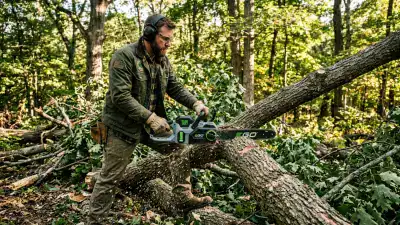
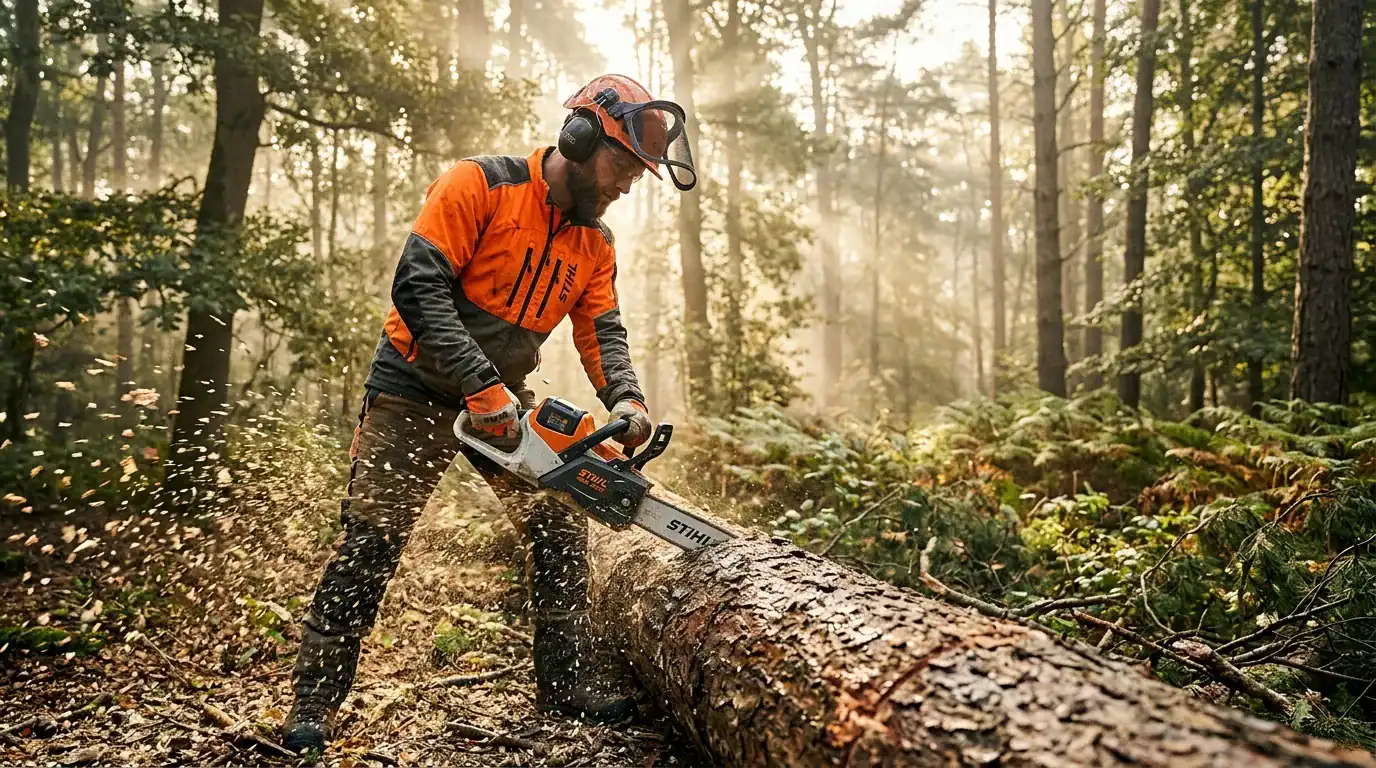
- Head Protection: A hard hat or a chainsaw helmet system with a face screen and hearing protection is ideal. This protects against falling debris and kickback.
- Eye Protection: Safety glasses or goggles underneath your face screen are a must to stop sawdust and chips.
- Hearing Protection: Even electric chainsaws produce noise that can damage your hearing over time. Earmuffs or earplugs are vital.
- Gloves: Heavy-duty work gloves provide grip and protection from splinters and minor cuts.
- Chaps/Pants: Chainsaw protective chaps or pants are made with special fibers that can snag and stop a moving chain. This is arguably your most critical piece of lower body protection.
- Foot Protection: Steel-toed boots with good ankle support protect against falling wood and provide stable footing.
Pre-Operation Checklist: Setting the Scene for Safety
A safe cut starts before the chain even spins. Take these steps:
- Inspect Your Chainsaw:
- Check the chain for sharpness and proper tension. A dull or loose chain is dangerous and inefficient.
- Ensure the bar is free of burrs and the oiler is working (most electric chainsaws have automatic oilers). Use a good quality bar and chain oil.
- For cordless models, ensure the battery is fully charged and securely seated. Check the battery pack for any damage.
- Test the chain brake – it should engage and stop the chain quickly.
- Clear the Work Area: Remove any tripping hazards like loose branches, rocks, or tools. Ensure you have clear escape routes in at least two directions.
- Assess the Wood: Look for tension in branches, especially those under compression (like a fallen tree branch resting on the ground). Understand how the wood will react when cut.
- Weather Conditions: Avoid operating corded electric chainsaws in wet conditions. Even cordless models should be used with caution in rain.
Safe Operating Techniques: Your Hands-On Guide
Now that you’re geared up and ready, let’s talk about how to handle the saw itself.
Proper Stance and Grip
Hold the chainsaw firmly with both hands. Your left hand should be on the front handle, and your right hand on the rear handle (for right-handed users). Maintain a balanced stance with your feet shoulder-width apart, slightly staggered. Keep your elbows slightly bent, not locked.
Starting and Stopping
Always start the chainsaw on a firm, flat surface. Engage the chain brake before starting. For corded models, plug into a grounded outlet with an appropriate extension cord (outdoor-rated, proper gauge). For cordless, ensure the battery is seated. Once running, disengage the brake. To stop, release the trigger and engage the chain brake.
Avoiding Kickback
This is perhaps the most dangerous chainsaw event. Kickback occurs when the upper quadrant of the guide bar tip (the “kickback zone”) contacts wood, or when the chain is pinched. The saw can violently pivot backward and upward towards the operator. To prevent it:
- Never cut with the tip of the guide bar.
- Always keep a firm grip with both hands.
- Be aware of where the tip of your bar is at all times.
- Ensure the chain is sharp and properly tensioned.
- Some electric chainsaws, like many Greenworks 40V or Ryobi 18V models, come with low-kickback chains and tip guards, which are great features for beginners.
Making the Cut
- Let the Saw Do the Work: Don’t force the saw. A sharp chain and proper technique will allow the saw to cut efficiently.
- Be Aware of Power Cords: For corded models, always keep the power cord behind you and away from the cutting path. Use a cord retention hook if your saw has one, and ensure the cord is always visible.
- Watch for Pinching: When cutting a log supported at both ends, make an initial cut from the top (top cut) about one-third of the way through, then finish with a cut from the bottom (undercut) to prevent the saw from pinching.
- Keep Your Body Clear: Always plan your cuts so that your body is not in the path of the falling wood or the saw if it kicks back.
Maintenance for Continued Safety
A well-maintained chainsaw is a safer chainsaw. Regular maintenance includes:
- Chain Sharpening: A dull chain drastically increases the risk of kickback and makes the saw work harder. Sharpen or replace your chain regularly.
- Bar Maintenance: Clean the guide bar groove, flip the bar regularly to ensure even wear, and check for burrs.
- Storage: Store your electric chainsaw in a dry, safe place, out of reach of children. Remove the battery from cordless models for long-term storage.
Always Be Prepared
Even with the best safety practices, accidents can happen. Always have a fully stocked first-aid kit nearby and know how to use it. If you’re working alone, ensure someone knows your location and your expected return time. Carrying a charged cell phone is also a good idea.
Final Thoughts from Your Chainsaw Expert
Electric chainsaws are fantastic tools for many tasks around the home and property. They offer convenience and performance without the fuss of gasoline engines. However, like any powerful tool, they demand respect and a commitment to safety. By following these guidelines, investing in proper PPE, and staying vigilant, you can confidently and safely tackle your wood-cutting projects. Always remember, a moment of carelessness can lead to a lifetime of regret. Stay safe out there!