
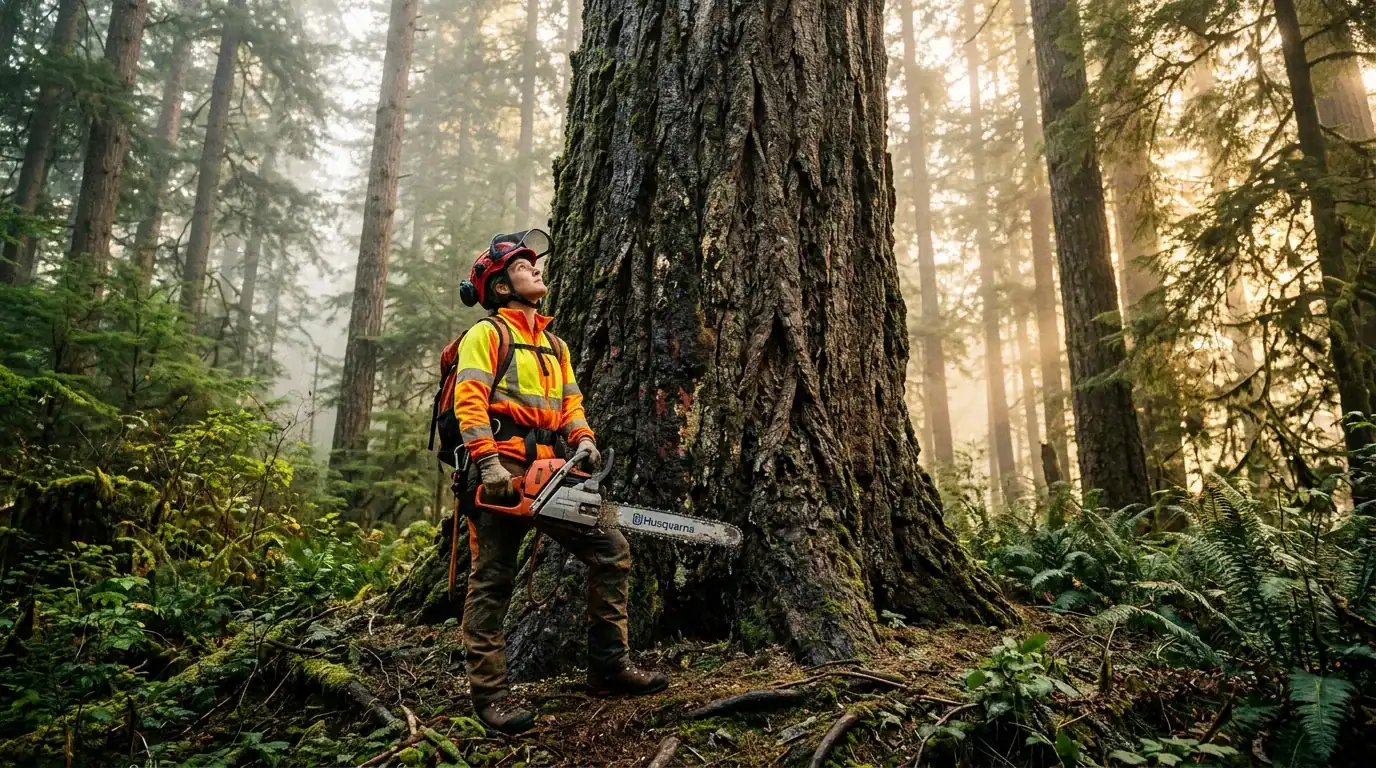

Introduction to Safe Tree Felling
As a homeowner, DIY user, or landowner, you may eventually need to fell a large tree on your property. This can be a daunting task, especially if you’re new to chainsaw operation. Felling a large tree requires more than just a powerful saw; it demands precise planning, advanced cutting techniques, and an unwavering commitment to safety. You need to consider the tree’s size, location, and surroundings to ensure a safe and controlled felling process.
Table Of Content
Before you start, it’s essential to assess the tree’s condition and potential hazards. Look for signs of decay, cracks, or weakness in the trunk, branches, or roots. Check the surrounding area for obstacles, such as power lines, buildings, or other trees that could be affected by the felling process. You should also consider the wind direction and speed to determine the best direction for the tree to fall.
As someone who has experience with chainsaws, I can attest to the importance of safety precautions. I recall a situation where a friend of mine was felling a tree without proper safety gear and ended up with a serious injury. This experience taught me the value of taking the necessary precautions and being prepared for any situation.
Planning and Preparation
Assessing the Tree and Surroundings
To ensure a safe and successful felling process, you need to assess the tree and its surroundings carefully. Look for any signs of decay or weakness, and check the tree’s lean and branch structure. Consider the tree’s size and weight, as well as any obstacles in the surrounding area. You should also identify the best direction for the tree to fall, taking into account the wind direction and any potential hazards.
Once you’ve assessed the tree and its surroundings, you can start planning the felling process. Determine the best cutting technique to use, based on the tree’s size and location. You may need to use a combination of cutting techniques, such as backcutting and sideways cutting, to control the tree’s fall. Make sure you have all the necessary safety gear and equipment, including a hard hat, safety glasses, ear protection, and a first aid kit.
It’s also essential to have a clear escape route and a plan for emergency situations. Make sure you have a means of communication, such as a cell phone or two-way radio, and that someone knows your location and expected return time. You should also have a basic understanding of first aid and be prepared to respond to any injuries that may occur.
Advanced Cutting Techniques
Backcutting and Sideways Cutting
Backcutting and sideways cutting are two advanced cutting techniques used in tree felling. Backcutting involves making a cut on the opposite side of the tree from the direction you want it to fall. This cut should be about one-third of the way through the tree’s diameter, and should be made at a 45-degree angle. Sideways cutting, on the other hand, involves making a cut parallel to the ground, about two-thirds of the way through the tree’s diameter.
These cutting techniques require precision and control, as well as a good understanding of the tree’s anatomy and physics. You need to consider the tree’s weight and balance, as well as any obstacles or hazards in the surrounding area. It’s also essential to use the right chainsaw and cutting equipment, such as a sharp chain and a well-maintained bar.
For example, if you’re felling a large oak tree, you may need to use a combination of backcutting and sideways cutting to control the tree’s fall. You could make a backcut on the opposite side of the tree from the direction you want it to fall, and then make a sideways cut to help guide the tree’s fall. This requires careful planning and execution, as well as a good understanding of the tree’s anatomy and physics.
Safety Measures and Precautions
Personal Protective Equipment and Safety Gear
Safety measures and precautions are essential when felling large trees. You need to wear personal protective equipment, such as a hard hat, safety glasses, and ear protection, to protect yourself from falling debris and other hazards. You should also wear sturdy clothing and boots, and consider using a chainsaw chaps or pants for added protection.
In addition to personal protective equipment, you should also have a first aid kit on hand and know how to use it. Make sure you have a means of communication, such as a cell phone or two-way radio, and that someone knows your location and expected return time. You should also have a clear escape route and a plan for emergency situations, such as a fire or injury.
It’s also essential to follow proper safety procedures when operating a chainsaw. Make sure you’re familiar with the saw’s controls and features, and that you’re using the right cutting equipment for the job. Keep your work area clean and clear of debris, and avoid cutting in confined or hazardous spaces. Always follow the manufacturer’s instructions and guidelines for safe operation, and consider taking a chainsaw safety course to improve your skills and knowledge.
Conclusion and Final Tips
Felling large trees requires careful planning, advanced cutting techniques, and a commitment to safety. By following the tips and guidelines outlined in this article, you can ensure a safe and successful felling process. Remember to always assess the tree and its surroundings carefully, and to use the right cutting equipment and safety gear. With practice and experience, you can become a skilled and confident tree feller, able to tackle even the largest and most challenging trees.
As you gain more experience with tree felling, you’ll develop your own techniques and strategies for safe and successful felling. Remember to always stay alert and focused, and to never take unnecessary risks. With the right knowledge, skills, and equipment, you can fell large trees safely and efficiently, and enjoy the many benefits of tree felling, from firewood to landscape improvement.
Finally, always keep in mind that tree felling is a serious business, and should never be taken lightly. If you’re unsure or uncomfortable with any aspect of the process, consider seeking the advice of a professional arborist or tree felling expert. With their guidance and expertise, you can ensure a safe and successful felling process, and enjoy the many benefits of tree felling for years to come.