If you talk to anyone who spent time cutting timber in the 1960s or 1970s, the name Homelite evokes genuine respect. Back then, blue-and-red magnesium-bodied saws like the Homelite XL-12 and Super XL Automatic dominated woodlots across North America. Today, however, mention Homelite on a sawyer forum or sub-Reddit, and you will spark a heated debate about build quality, plastic crankcases, and hard-starting carburetors. Modern Homelite tools have shifted dramatically from professional logging machinery to entry-level budget homeowner gear designed for basic yard maintenance.
Quick answer: Modern Homelite gas chainsaws are low-cost, light-duty tools built primarily for occasional yard cleanup, storm debris trimming, and light firewood cutting. While vintage Homelites were legendary industrial workhorses, today's models offer high short-term value for casual homeowners who keep up with strict fuel maintenance, though they lack the long-term durability of brands like Stihl or Husqvarna.
From Industry Pioneer to Value-Driven Homeowner Brand
Understanding Homelite requires looking at two entirely different eras of power equipment manufacturing. Founded in 1921 as the Home Electric Lighting Company, the brand revolutionized forestry in 1949 by introducing its first one-man chainsaw. By 1963, the release of the Homelite XL-12 changed the industry forever, offering a direct-drive saw weighing under 14 pounds that allowed farm workers and loggers to ditch heavy, two-man saws. These early machines featured rugged magnesium-alloy housings, solid steel guide bars, and heavy-duty needle bearings capable of surviving decades of heavy abuse in severe conditions.
Through the late 1990s and into the 2000s under Techtronic Industries (TTI), Homelite pivoted away from high-end forestry gear to target big-box retailers. The engineering focus transitioned toward reducing weight and production costs to serve homeowners who only pull a starter rope twice a year. Magnesium crankcases gave way to high-impact polymer housings, fully adjustable metal carburetors were replaced by factory-set units, and heavy-duty air filter setups were scaled down to small foam elements. Today, a new Homelite gas model appeals directly to buyers who need an inexpensive power tool for temporary limb cleanup rather than daily timber felling.
| Model Category | Typical Use | Bar Length | Key Features |
| Small Gas Model | Light pruning, small firewood, storm cleanup. | Homelite Chainsaw 14 inch | Simple recoil start, affordable price point. |
| Medium Gas Model | Heavier firewood, felling small trees. | 16-18 inches | Slightly larger 2 stroke engine (e.g., 42cc). |
| Cordless Models | Quiet, instant start, minimal maintenance. | 10-14 inches | Part of a unified battery platform (usually 40V). |
This history explains why modern reviews of Homelite equipment are so polarizing. Older woodcutters remember saws that ran flawlessly for thirty years, while modern buyers often judge the brand based on a $120 home center special. If you purchase a contemporary model expecting the commercial-grade iron of 1975, you will be disappointed. However, if you evaluate it strictly as a light-duty homeowner tool designed for clearing brush and trimming 8-inch limbs around the driveway, the modern lineup fills a clear market niche.
Engine Performance and Mechanical Anatomy
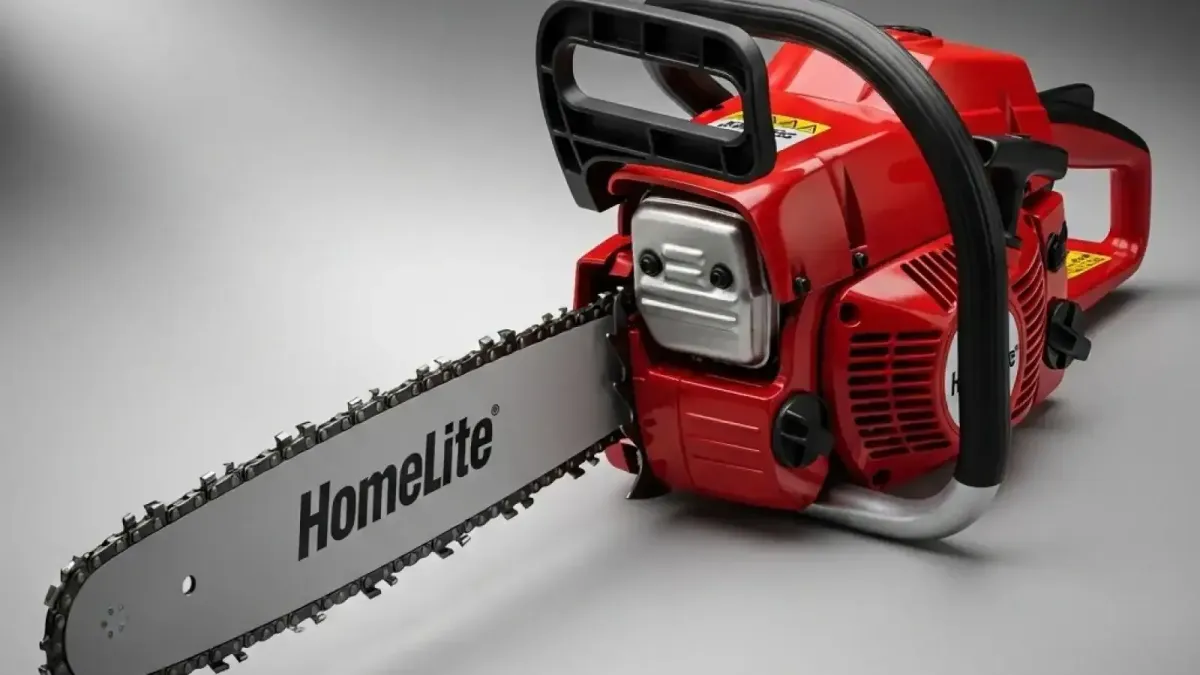
Modern gas-powered Homelite chainsaws, such as the popular 38cc and 42cc models, operate on small air-cooled 2-stroke internal combustion engines. These small-displacement engines rev high—often between 9,500 and 11,500 RPM under load—and offer an impressive power-to-weight ratio for small yard projects. Because 2-stroke engines lack an internal oil sump, lubrication is supplied directly through pre-mixed fuel, requiring a strict 50:1 ratio of unleaded gasoline to 2-stroke air-cooled engine oil (equivalent to 2.6 fluid ounces of oil per gallon of gas).
The primary mechanical vulnerability reported in modern Homelite gas saws stems from the fuel delivery system. Budget carburetors use fine rubber metering diaphragms and small fuel lines that are particularly sensitive to ethanol-blended gasoline. E10 fuel attracts atmospheric moisture over time, leading to phase separation and varnish buildup inside the tiny jet passages. When an operator leaves untreated fuel in the tank over winter, the ethanol dry-rots the clear primer bulb and clogs the internal fuel passages, resulting in classic hard-starting or stalling issues when throttle is applied.
Pro tip: Always use 91+ octane ethanol-free fuel mixed with synthetic oil in budget 2-stroke engines. After finishing a job, dump the remaining gas and idle the saw until it runs completely dry. This simple habit prevents 90% of carburetor failures and severe chain-tension drift caused by heat buildup on dirty engine casings.
Cutting attachment specifications on these entry-level saws typically favor safety over sheer speed. A standard 14-inch or 16-inch Homelite saw features a guide bar paired with a low-profile 3/8-inch pitch chain (often designated 3/8" LP) with a .050-inch gauge. These low-kickback safety chains feature ramped depth gauges ahead of each cutter, which prevents the chain from taking overly aggressive bites into hardwoods. While this limits cutting speed in dense oak or hickory, it significantly reduces kickback risk for inexperienced operators wearing basic protective gear like leather gloves and safety glasses.
Homelite Chainsaw vs. Industry Leaders: Specs & Performance
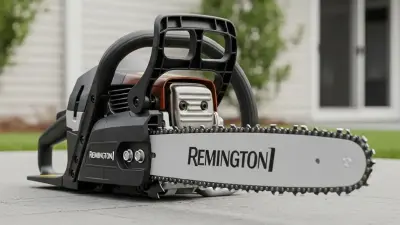
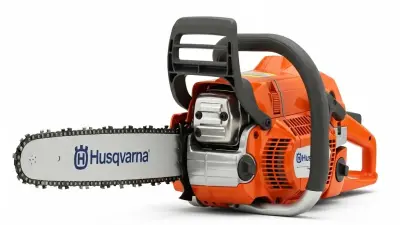
When shopping for a homeowner saw, buyers frequently cross-shop Homelite against entry-level models from established commercial manufacturers like Stihl and Husqvarna. While all three brands can cut through small fallen branches, their mechanical engineering, serviceability, and component longevity differ substantially.
| Feature / Specification | Homelite 14" / 16" (38cc-42cc) | Stihl MS 170 (30.1cc) | Husqvarna 120 Mark II (38cc) |
|---|---|---|---|
| Engine Displacement | 38cc to 42cc | 30.1cc | 38cc |
| Power Output | ~1.5 hp (1.1 kW) | 1.7 hp (1.3 kW) | 1.8 hp (1.4 kW) |
| Guide Bar Lengths | 14" to 16" | 12" to 16" | 14" to 18" |
| Chain Pitch & Gauge | 3/8" Low Profile, .050" | 3/8" Low Profile, .043" | 3/8" Low Profile, .050" |
| Crankcase Construction | Composite / Plastic polymer | Composite / Polymer | Composite / Polymer |
| Choke / Carburetor Type | Standard choke, non-adjustable | Single-lever Master Control | Air Injection / Centrifugal filter |
| Part Availability & Service | Aftermarket online / DIY | Extensive servicing dealer network | Wide dealer & retail support |
| Target Application | Light yard trimming (< 10 hrs/yr) | homeowner firewood & clearing | Suburban acreage & firewood cut |
As shown in the technical specifications, Homelite displacement numbers look competitive on paper, but output efficiency and build quality tell a deeper story. Stihl and Husqvarna design their entry-level engines with tighter tolerances, better crankcase sealing, and superior air filtration systems. Husqvarna's centrifugal air cleaning, for example, removes large dust particles before they reach the main air filter, whereas a Homelite filter requires manual cleaning after nearly every full tank of fuel to maintain steady engine idle RPM.
Furthermore, replacement parts availability marks a critical distinction. Stihl and Husqvarna maintain dedicated power equipment dealer networks capable of supplying OEM seals, needle bearings, carburetors, and clutch assemblies for decades. Homelite parts are almost entirely sourced through online aftermarket suppliers. If an older Homelite oil pump fails or the plastic chain brake mechanism breaks, you will likely end up sourcing cheap third-party components on eBay or replacing the unit entirely.
| Feature | Homelite Chainsaw (Consumer Grade) | Stihl (Entry-Level/Pro-Grade) |
| Build Quality | Primarily plastic components; designed for lower operational hours. | Magnesium/Engineered components; designed for sustained professional use. |
| Vibration | Generally higher vibration levels, leading to quicker operator fatigue. | Excellent anti-vibration systems (LowVib, etc.) for comfort and precision. |
| Chain Speed | Adequate speed for homeowner cutting. | Higher chain speed and torque for aggressive, faster cutting. |
| Price | Typically $100 - $200 for a new Homelite Chainsaw 14 inch gas model. | Starts significantly higher (e.g., MS 170 around $200+) but with higher resale value. |
| Best Use | Occasional firewood, cleanup, and pruning. | Regular firewood, heavy cutting, and commercial use. |
Real-World Cutting Capability and Maintenance Requirements
To get reliable work out of a Homelite 14-inch or 16-inch gas saw, you must operate within its mechanical limits. These saws excel at clearing downed maple or pine limbs up to 8 inches in diameter following summer storms. Trying to force a 42cc plastic-bodied Homelite through a 14-inch log of green white oak will strain the centrifugal clutch, overheat the bar rail, and stretch the drive chain rapidly. Learn to let the tool speed work for you without putting heavy downward pressure on the rear handle.
chain maintenance on budget equipment demands close attention. Because budget saws often lack tool-less chain tensioning mechanisms—or feature basic side-access single-nut tensioners—the chain easily slacks after thermal expansion. Check chain tension before every start and after every 15 minutes of continuous cutting. A properly tensioned chain allows you to pull the drive links slightly out of the bar groove without letting them disengage completely, snapping back firmly into place when released.
In addition to correct chain tension, proper bar oil flow is vital. Homelite saws use small automatic gear-driven oil pumps to deliver bar and chain lubricant. Always verify that the saw is slinging oil by revving the engine over a clean piece of cardboard or a fresh stump before making your first cut. You should observe a thin line of slung bar oil droplet mist spray across the surface. If the bar remains dry, clean out the small oil delivery port hole near the mounting studs immediately using a small pick or compressed air to prevent premature bar rail friction and burned chain links.
Essential personal protective equipment (PPE) must never be skipped, regardless of saw brand or price tag. Always equip yourself with cut-retardant chainsaw chaps (certified to ASTM F1897 standards), an ANSI-approved hard hat with a mesh face shield, wrap-around safety glasses, ear protection rated for at least 25 dB noise reduction, heavy leather gloves, and steel-toe work boots. Remember that a low-profile 3/8-inch chain traveling at 40 feet per second will shred standard denim jeans in a fraction of a second during a sudden kickback event.
If you are looking to expand your cutting kit or explore versatile homeowner pruning gear, check out our guide on chainsaw attachments and accessories to see how pole saw attachments compare against compact ground saws for reaching overhead limbs safely.
Frequently Asked Questions
What gas mix ratio does a Homelite chainsaw take?
Modern Homelite 2-stroke gas chainsaws require a precise 50:1 ratio of unleaded gasoline to high-quality 2-stroke engine oil. This equals roughly 2.6 fluid ounces of 2-stroke oil per 1 gallon of unleaded gas (minimum 89 octane; 91+ ethanol-free recommended).
Why won't my Homelite chainsaw stay running when I give it gas?
This issue is almost always caused by a partially clogged carburetor jet or a degraded fuel diaphragm from old ethanol fuel. Inspect your fuel lines for cracks, replace the fuel filter inside the gas tank, install a fresh spark plug, and clean or rebuild the carburetor using an inexpensive diaphragm kit.
Can I put an 18-inch bar on a Homelite 14-inch or 16-inch chainsaw?
While some larger 42cc models may physically fit an 18-inch bar, it is not recommended. The engine displacement and clutch drive system are optimized for 14-inch to 16-inch bars. Oversizing the guide bar bogs down engine RPM, overheats the engine, and poses safety risks due to insufficient oiling.
Are vintage Homelite saws better than new ones?
In terms of structural durability, crankcase materials, and heavy-duty metal components, vintage Homelites (like the Super XL-12 or 330) are built significantly tougher. However, modern Homelites include important modern safety features like working chain brakes, anti-vibration mounts, and low-kickback safety chains.
If you need to evaluate other reliable mid-range options for homeowner cutting, take a look at our comprehensive chainsaw reviews to see how various brands rank across real-world testing criteria.
Choosing the Right Tool for Your Yard
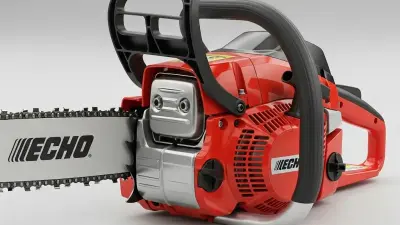
If you cut wood infrequently—clearing fallen limbs twice a year, trimming low branches around the patio, or cutting up a small pile of campfire wood—a budget-friendly Homelite 14-inch or 16-inch gas saw is a practical purchase that leaves money in your pocket. To ensure it starts when duty calls, fuel it exclusively with premium ethanol-free fuel, drain the tank before winter storage, and keep the saw chain properly tensioned and sharp. However, if your cutting demands exceed 10 to 15 hours a year or involve felling medium hardwoods, invest your money directly into a commercial-grade mid-range saw from Stihl, Husqvarna, or Echo for long-term serviceability and peace of mind.
Sources
- Homelite Consumer Power Equipment Official Product Manuals & Specifications
- ANSI B175.1 Safety Requirements for Gasoline-Powered Chain Saws
- OSHA Standard 1910.266 - Logging Operations Safety & PPE Requirements
- Wikipedia: Homelite Corporation Brand History & Legacy