

The Rise of Electric Chainsaws: Why Make the Switch?
For decades, the rumble and roar of a gas-powered chainsaw was the signature sound of serious wood cutting. But times are changing, and a new breed of power tool is carving out a significant space in the sheds and job sites of homeowners and professionals alike: the electric chainsaw. If you’ve ever wrestled with a stubborn pull cord, mixed fuel, or spent time cleaning carburetors, you’ll understand why the appeal of “push a button and go” is so strong. Electric models have moved far beyond being mere novelty tools; they are now legitimate, powerful contenders for a wide range of cutting tasks.
Table Of Content
- The Rise of Electric Chainsaws: Why Make the Switch?
- Key Advantages of Electric Chainsaws
- Corded vs. Cordless: Choosing Your Electric Chainsaw Powerhouse
- Corded Electric Chainsaws: Uninterrupted Power
- Cordless Electric Chainsaws: Freedom and Mobility
- Top Contenders in Electric Chainsaws: Brands and Their Strengths
- Husqvarna Electric Chainsaws: Ergonomics Meets Power
- Milwaukee Electric Chainsaws: Jobsite Durability
- STIHL Electric Chainsaws: German Engineering and Innovation
- Mastering Your Electric Chainsaw: Operation, Maintenance, and Safety
- Safe and Effective Operation
- Essential Maintenance for Longevity
- Safety Gear and Practices
- Making the Smart Choice: What to Look For and Final Thoughts
- Key Buying Considerations
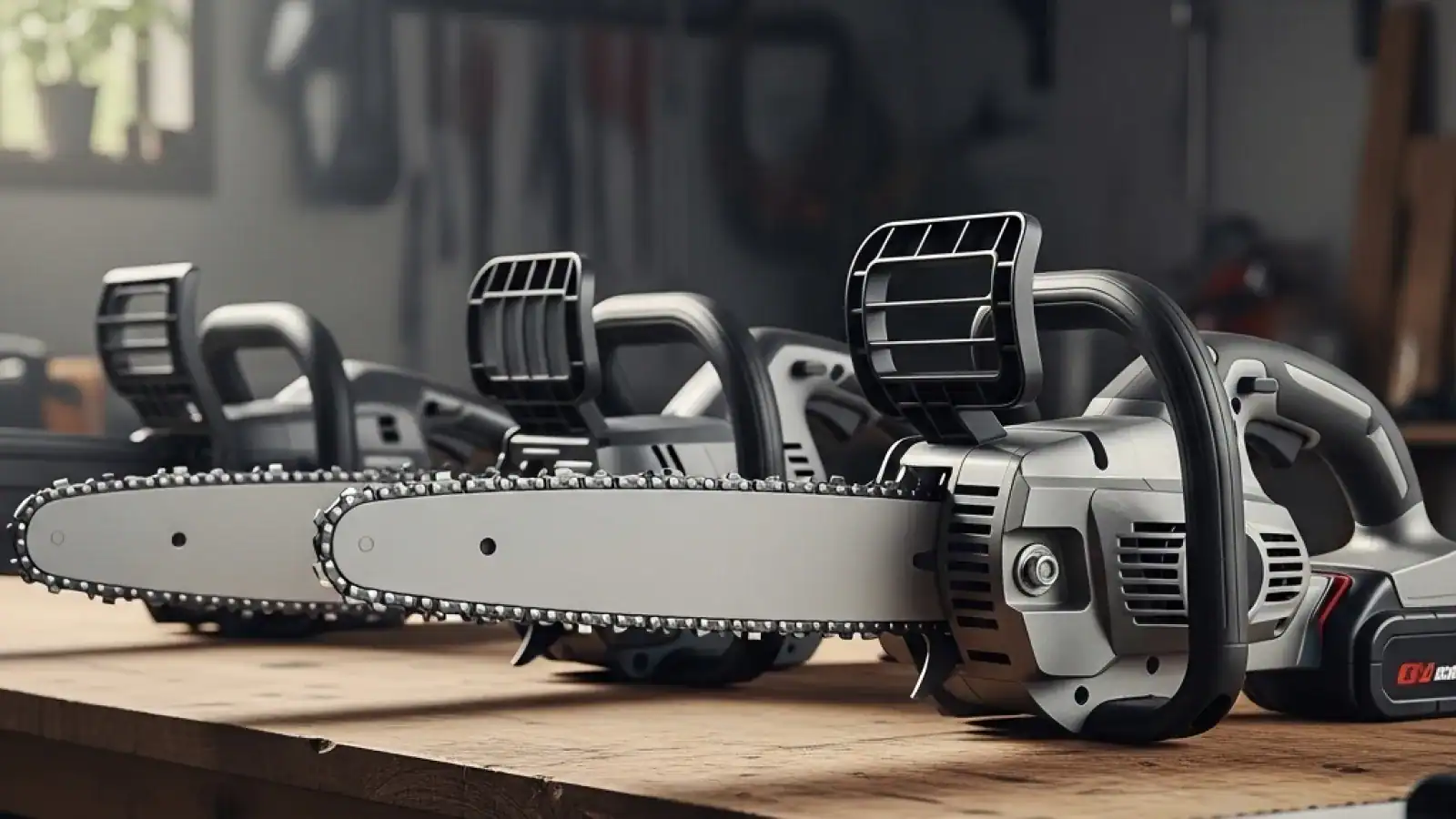
Electric chainsaws offer a compelling blend of convenience, performance, and environmental responsibility. They’ve evolved significantly, now boasting impressive power output that rivals many smaller gas models, all while eliminating exhaust fumes and significantly reducing noise pollution. From trimming unruly hedges in your suburban backyard to processing firewood for a cozy winter, or even tackling light construction and storm cleanup, an electric chainsaw can be an incredibly versatile and user-friendly tool. I’ve personally seen countless homeowners switch over and express genuine surprise at just how capable these machines have become.
So, what exactly makes electric chainsaws such a game-changer? Beyond the obvious lack of fuel and oil mixing, their immediate start-up and quiet operation make them a joy to use, especially in residential areas where noise can be a concern. Their reduced vibration also means less fatigue during longer cutting sessions. For anyone looking to simplify their outdoor power equipment arsenal without sacrificing performance on typical homeowner tasks, an electric chainsaw is definitely worth a closer look. Let’s delve into the core advantages that are driving their surging popularity.
Key Advantages of Electric Chainsaws
- Eco-Friendly Performance: This is a big one. Electric chainsaws produce zero direct emissions, meaning no noxious fumes polluting your workspace or the air. This is not only better for the environment but also for your own health during operation.
- Effortless Starting: Gone are the days of arm-wrenching pull starts. Electric chainsaws typically start with a simple push of a button or squeeze of a trigger, making them accessible even for users with less physical strength.
- Reduced Maintenance: With fewer moving parts and no internal combustion engine, electric models require significantly less maintenance. There’s no spark plug to replace, air filter to clean, or fuel system to winterize. Routine tasks primarily involve chain sharpening, tensioning, and bar lubrication.
- Quieter Operation: While not silent, electric chainsaws are dramatically quieter than their gas counterparts. This makes them far more pleasant to operate and less likely to disturb neighbors, a huge plus for urban and suburban users.
- Lower Operating Costs: Electricity is generally cheaper than gasoline and 2-stroke oil. While the initial investment in higher-capacity batteries for cordless models can be substantial, the running costs are typically lower over the long term.
Corded vs. Cordless: Choosing Your Electric Chainsaw Powerhouse
When you decide to go electric, your next major decision will be whether to opt for a corded or a cordless model. Both have distinct advantages and limitations, and the “best” choice really depends on your specific needs, the type of work you do, and where you’ll be doing it. Think about your typical cutting tasks: are they all within 100 feet of an outlet, or do you need to roam freely across a larger property?
Corded electric chainsaws are often the entry point for many homeowners. They plug directly into a standard 120V household outlet, providing continuous, consistent power as long as they’re connected. There’s no battery to charge or degrade over time, which often translates to a lower initial purchase price. However, that power cord, while a source of unlimited energy, can also be a significant constraint. You’re tethered to a power source, limiting your mobility and introducing a potential tripping hazard or cutting risk if not managed carefully.
Cordless electric chainsaws, powered by rechargeable lithium-ion batteries, offer unparalleled freedom of movement. Imagine cutting branches at the far end of your property or clearing brush in a remote corner without needing to drag an extension cord. This mobility is their biggest selling point. However, this convenience comes with a trade-off: battery life. Even the most advanced batteries have a finite runtime, and charging times can vary. For larger jobs, you might need multiple batteries or strategically plan your charging breaks.
Corded Electric Chainsaws: Uninterrupted Power
Corded models are fantastic for specific scenarios. If your cutting tasks are primarily around your home, workshop, or within easy reach of an outdoor outlet, a corded electric chainsaw can be an excellent, cost-effective choice. They offer immediate, full power from the moment you plug them in, typically ranging from 8 to 15 amps. This translates directly to consistent torque and chain speed, making quick work of small to medium-sized branches and firewood.
Common corded models often feature bar lengths from 12 to 18 inches, making them suitable for felling small trees (up to 12 inches in diameter), bucking firewood, and general yard maintenance. Because they don’t carry the weight of a battery, they tend to be lighter than their cordless counterparts, reducing user fatigue during extended use. Just remember to always use an outdoor-rated extension cord of appropriate gauge (e.g., 12- or 14-gauge for longer runs) to prevent voltage drop and overheating, and always be acutely aware of its position during operation to avoid cutting through it.
Cordless Electric Chainsaws: Freedom and Mobility
Cordless chainsaws are the ultimate choice for portability and working in areas without readily available power outlets. They are powered by high-voltage lithium-ion batteries, typically ranging from 18V up to 80V or even 120V for professional-grade units. The “V” (voltage) indicates the raw power, while “Ah” (amp-hours) indicates the battery’s capacity and thus, its potential runtime. Higher voltage and Ah ratings generally mean more power and longer runtimes.
Modern cordless chainsaws, especially those with brushless motors, deliver impressive power and cutting speed, often rivaling professional-grade gas chainsaws for specific tasks. Brushless motors are more efficient, generate less heat, and extend tool life and battery runtime compared to older brushed designs. Bar lengths commonly range from 10 to 18 inches, with some higher-end models reaching 20 inches, enabling them to tackle substantial cutting jobs like felling medium-sized trees and processing larger logs. The convenience of grab-and-go operation makes them incredibly appealing for quick tasks, storm cleanup, and work on larger properties. Always consider investing in a second battery to minimize downtime for bigger projects.
Top Contenders in Electric Chainsaws: Brands and Their Strengths
The electric chainsaw market is vibrant, with many reputable brands offering excellent products. When it comes to reliability, performance, and innovation, a few names consistently rise to the top. These brands have invested heavily in battery technology, motor efficiency, and user-friendly designs, making them trusted choices for both casual users and demanding professionals.
From my experience, the choice often comes down to your existing tool ecosystem (e.g., if you already own Milwaukee M18 tools, their chainsaw is a natural fit) and your specific performance requirements. Let’s look at some of the leading brands and what sets their electric chainsaws apart.
Husqvarna Electric Chainsaws: Ergonomics Meets Power
Husqvarna, a Swedish powerhouse in outdoor power equipment, brings its legacy of robust engineering to the electric chainsaw market. Their electric models are renowned for their excellent ergonomics, balanced design, and intuitive controls, making them a pleasure to operate even during longer cutting sessions. Husqvarna offers both robust corded options and an expanding range of powerful cordless chainsaws, often part of their 36V or 40V battery systems.
Their cordless lines, like the Husqvarna 120i or the more powerful 540i XP, feature efficient brushless motors that deliver high torque and impressive cutting speed. For instance, the 120i, often paired with a 12-14 inch bar, is ideal for light pruning and small firewood tasks, boasting smart battery management for optimized runtime. Their professional-grade battery chainsaws, like the 540i XP, can truly compete with 40cc gas saws, offering features like active cooling for batteries and high chain speeds for demanding tasks, proving electric can indeed be professional-grade.
Milwaukee Electric Chainsaws: Jobsite Durability
Milwaukee has become a dominant force in the professional tools market, and their electric chainsaws embody their commitment to jobsite-grade durability and performance. Primarily focusing on cordless technology, Milwaukee’s chainsaws are built around their powerful M18 FUEL system, leveraging their high-output REDLITHIUM batteries. This means if you’re already invested in Milwaukee’s extensive M18 lineup, their chainsaw is a seamless addition, sharing batteries and chargers.
The Milwaukee M18 FUEL 16″ Chainsaw is a prime example. It’s designed to deliver the power and cutting speed of a 40cc gas chainsaw, making it suitable for felling larger trees (up to 14 inches in diameter) and serious firewood processing. It features a brushless motor, an all-metal bucking spike for increased leverage, and a tool-free chain tensioner for quick adjustments. Its rugged construction ensures it can withstand the rigors of professional use, while the impressive battery life from a 12.0 Ah battery allows for substantial work before needing a recharge.
STIHL Electric Chainsaws: German Engineering and Innovation
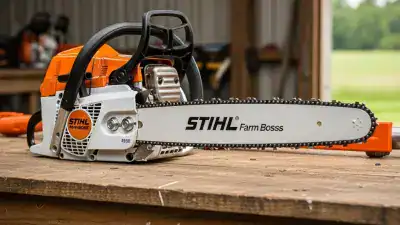
STIHL is a name synonymous with chainsaws, setting industry standards for decades. Their entry into the electric market maintains this reputation, offering both robust corded and advanced cordless options known for their precision engineering, reliability, and user-friendly features. STIHL’s electric models often boast superior chain tensioning systems, ergonomic designs, and excellent power-to-weight ratios.
For homeowners, STIHL offers dependable corded models like the MSE 170 C-BQ, which provides consistent power for tasks like limbing and felling small trees, often with a 14-16 inch bar. In the cordless arena, their AK and AP battery systems offer a range of options. The MSA 160 C-BQ (part of the AK system) is excellent for homeowners needing mobility for pruning and light cutting. For serious work, the MSA 220 C-B (AP system) is a professional-grade battery chainsaw capable of tackling larger timber, offering high chain speeds and impressive runtimes, especially with the AP 300 S battery.
Mastering Your Electric Chainsaw: Operation, Maintenance, and Safety
An electric chainsaw, while easier to start and maintain than its gas counterpart, is still a powerful and potentially dangerous tool. Proper operation, diligent maintenance, and unwavering commitment to safety are paramount. Think of it like driving a car; understanding the mechanics and rules of the road ensures a safe journey. With a chainsaw, understanding its capabilities and limitations, along with safe cutting practices, ensures a productive and injury-free experience.
Many new users are surprised by the instant torque of an electric chainsaw, especially cordless models with advanced motors. This means you need to be prepared for the chain to engage immediately and powerfully. Always approach your cuts with a clear plan, a stable stance, and an awareness of your surroundings. Never underestimate the kickback potential, even with a low-kickback chain. A well-maintained and properly operated electric chainsaw is an incredibly efficient tool; a neglected or misused one is an accident waiting to happen.
Safe and Effective Operation
- Pre-Operation Check: Before every use, check the chain tension. It should be snug but still allow you to pull the chain around the bar by hand. Ensure the chain brake is functioning, the oil reservoir is full (automatic oilers are standard on most models), and all fasteners are tight.
- Proper Stance and Grip: Always maintain a firm, two-handed grip on the chainsaw, with your left hand on the front handle and your right hand on the rear handle. Keep your feet shoulder-width apart for balance, and avoid overreaching. Bend at your knees, not your back, especially when cutting close to the ground.
- Cutting Techniques: Understand basic cuts like limbing (removing branches), bucking (cutting felled logs into sections), and felling (cutting down a tree). Always position yourself so that the log or branch won’t pinch the bar or shift unexpectedly. Use the bucking spikes (if present) to pivot the saw into the wood, reducing effort and increasing control. Avoid cutting with the tip of the bar, as this is the primary cause of kickback.
- Managing Kickback: Kickback occurs when the chain on the tip of the guide bar strikes an object or gets pinched, causing the saw to violently thrust backward and upward towards the operator. Always be aware of the kickback danger zone (the upper quadrant of the bar tip). Use a low-kickback chain and guide bar, and engage the chain brake immediately if kickback occurs.
Essential Maintenance for Longevity
- Keep the Chain Sharp: A sharp chain is critical for efficiency and safety. A dull chain forces the saw to work harder, produces sawdust instead of clean chips, and increases the risk of kickback. Sharpen your chain regularly with a round file of the correct diameter (often 5/32″ or 3/16″ for electric chainsaws) or use a chain sharpener. Aim for a 25-30 degree filing angle.
- Maintain Proper Chain Tension: As mentioned, proper tension is key. Too loose, and the chain can derail, causing injury or damage. Too tight, and it puts excessive strain on the motor and bar. Check tension frequently, especially when the chain is new or after it heats up during use.
- Clean Regularly: After each use, remove sawdust and debris from the guide bar groove, the sprocket cover, and around the drive sprocket. A build-up of gunk can impede chain movement and cooling.
- Inspect the Guide Bar: Check the guide bar for burrs, uneven wear, or damage. Flip the bar periodically (e.g., after every few chain sharpenings) to ensure even wear. Clean the guide bar groove with a specialized tool or a thin flat file.
- Battery Care (Cordless Models): Store batteries in a cool, dry place. Avoid extreme temperatures. For long-term storage, charge batteries to about 50-70% capacity, rather than fully charged or completely drained, to maximize their lifespan.
Safety Gear and Practices
Never operate a chainsaw without appropriate Personal Protective Equipment (PPE). This isn’t optional; it’s non-negotiable for your safety and well-being. My rule of thumb is: if you don’t have the gear, don’t make the cut.
- Head Protection: A hard hat is essential when felling trees or working under overhead hazards.
- Eye Protection: Safety glasses or a face shield are an absolute must to protect against flying debris.
- Ear Protection: Even electric chainsaws produce enough noise to warrant earplugs or earmuffs, especially during prolonged use.
- Hand Protection: Heavy-duty work gloves provide grip and protection from splinters and minor cuts.
- Leg Protection: Chainsaw chaps or pants made of cut-resistant material are crucial. They contain layers of loose fibers designed to jam the chain if it makes contact, buying you precious seconds to react.
- Foot Protection: Steel-toed boots with good ankle support are recommended.
- Work Area: Ensure bystanders, especially children and pets, are at a safe distance (at least 20 feet). Clear your work area of any tripping hazards. Always have a first-aid kit readily accessible.
Making the Smart Choice: What to Look For and Final Thoughts
Choosing the right electric chainsaw means balancing your specific needs with the features and performance offered by various models. It’s not just about raw power; it’s about finding a tool that feels good in your hands, performs reliably for your tasks, and fits within your budget. As a content expert in outdoor power equipment, I always advise customers to think beyond the immediate price tag and consider the long-term value, including support, warranty, and potential for expanding into a battery ecosystem.
Before making a purchase, take a moment to honestly assess the types of cutting you’ll primarily be doing. Are you mostly pruning small branches, or do you anticipate felling small trees and processing significant amounts of firewood? Your answer will guide you toward the appropriate power level and bar length. Remember, an overpowered saw for small tasks can be overkill and heavier, while an underpowered saw for big jobs will be frustrating and inefficient.
Key Buying Considerations
- Power Source (Corded vs. Cordless): Revisit this decision based on your work environment and mobility needs. If continuous power and a lower upfront cost are priorities, corded is great. If freedom of movement and quick deployment are key, invest in cordless.
- Bar Length: This dictates the maximum diameter of wood you can cut in a single pass. Common lengths for electric chainsaws are 10-18 inches.
- 10-12 inches: Excellent for pruning, limbing small branches, and light yard work. Lightweight and maneuverable.
- 14-16 inches: A versatile all-rounder for most homeowners, capable of bucking firewood, felling small to medium trees (up to 12-14 inches diameter), and general property maintenance.
- 18 inches and above: Generally found on higher-end cordless models (e.g., 60V+ or dual-battery systems) or powerful corded units, suitable for felling larger trees and processing substantial logs.
- Motor Type: Always opt for a brushless motor in cordless models if your budget allows. They offer superior efficiency, more power, longer runtime, and a longer lifespan than brushed motors.
- Battery System (for Cordless):
- Voltage (V): Higher voltage usually means more power. Entry-level models might be 18V-20V, while serious contenders range from 40V-80V, and professional tools can go higher.
- Amp-Hours (Ah): This indicates battery capacity. Higher Ah means longer runtime. A 4.0 Ah battery will run twice as long as a 2.0 Ah battery of the same voltage. Consider getting at least one spare battery for continuous work.
- Platform Compatibility: If you already own tools from a brand’s battery platform (e.g., DeWalt 20V MAX, Ryobi 40V, Greenworks 80V), choosing a chainsaw from the same line allows you to share batteries and chargers, saving money and simplifying your setup.
- Safety Features: Look for essential features like an inertia-activated chain brake (stops the chain instantly in case of kickback), a low-kickback bar and chain, a handguard, and a safety switch to prevent accidental starts.
- Ergonomics and Weight: Hold the saw in the store if possible. Does it feel balanced? Is it comfortable to hold for extended periods? Lighter saws reduce fatigue, especially important for overhead work or long sessions.
- Automatic Oiler: Most electric chainsaws have an automatic chain oiler, which is a must-have for proper lubrication and chain life. Ensure it has an easy-to-read oil level indicator.
Electric chainsaws have truly come into their own, offering a compelling blend of power, convenience, and environmental benefits. Whether you’re a seasoned landowner managing acres of timber or a new homeowner tackling your first pruning job, there’s an electric model out there that will meet your needs. By carefully considering the insights on power, performance, ease of use, and safety discussed here, you’re well-equipped to make an informed decision and confidently select the best electric chainsaw for your projects. Embrace the quiet revolution and enjoy a cleaner, easier cutting experience!