

Unlock Optimal Cutting: Your Guide to Chainsaw Chains
As an experienced outdoor power equipment specialist, I know that your chainsaw is only as good as its chain. Many homeowners and DIY users overlook the importance of matching the right chain to the type of wood they’re cutting. Using the wrong chain can lead to slower cuts, increased wear and tear on your saw, more kickback risk, and ultimately, a frustrating experience. But don’t worry, this guide will equip you with the knowledge to pick the perfect chain for any wood type you encounter.
Table Of Content
- Unlock Optimal Cutting: Your Guide to Chainsaw Chains
- Understanding Chainsaw Chain Basics
- Chainsaw Chains for Hardwood
- Recommended Chain Type for Hardwood
- Key Considerations for Hardwood
- Chainsaw Chains for Softwood
- Recommended Chain Type for Softwood
- Key Considerations for Softwood
- Chainsaw Chains for Green Wood
- Recommended Chain Type for Green Wood
- Key Considerations for Green Wood
- The Universal Rule: Always Use a Sharp Chain
Understanding Chainsaw Chain Basics
Before diving into specific wood types, let’s briefly cover the main chain tooth profiles:
- Full Chisel Chain: These chains have square-cornered cutters. They are aggressive and cut very fast, making them ideal for professional loggers or experienced users. They bite deep into the wood fibers.
- Semi-Chisel Chain: Featuring rounded corners, semi-chisel chains are less aggressive than full chisel. They cut slower but stay sharp longer, are more forgiving in dirty wood, and are less prone to kickback. They’re a great all-around choice for homeowners.
- Low-Profile / Anti-Kickback Chain: Often found on smaller consumer chainsaws, these chains have ramped depth gauges and shorter cutters to reduce the risk of kickback. They are the safest option for beginners but cut the slowest.
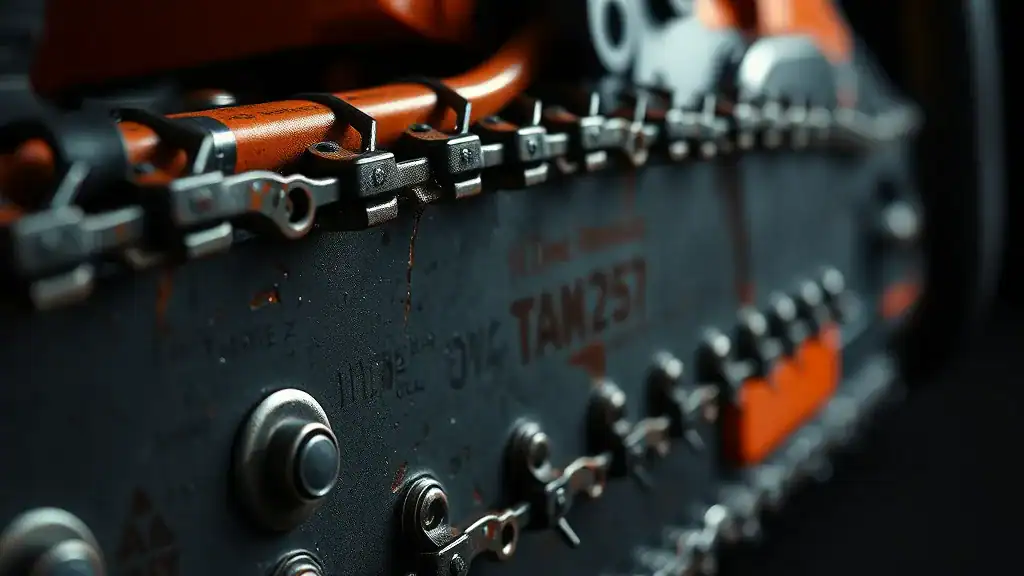
Beyond the tooth profile, you’ll also encounter terms like pitch (distance between three rivets divided by two), gauge (thickness of the drive links), and drive links (the number of links that sit in the guide bar groove). Always match these specifications exactly to your chainsaw’s guide bar.
Chainsaw Chains for Hardwood
Hardwoods like oak, maple, hickory, and birch are dense and tough. They demand a chain that can withstand significant resistance without dulling quickly or bogging down the saw.
Recommended Chain Type for Hardwood:
- Semi-Chisel Chain: For most homeowners and landowners, a semi-chisel chain is the best choice for hardwoods. Its rounded corners are more durable and hold an edge longer when cutting through dense, often dirt-encrusted bark or tough wood fibers. While slightly slower than full chisel, its longevity and reduced kickback risk make it ideal for intermittent use.
- Full Chisel Chain: If you’re an experienced user with a powerful saw (e.g., 50cc+ engine) and regularly cut large diameter hardwoods, a full chisel chain will offer the fastest cutting speed. However, be prepared to sharpen it more frequently, especially if you hit any dirt or debris.
Key Considerations for Hardwood:
- Sharpness is Paramount: Hardwood quickly exposes a dull chain. Always start with a razor-sharp chain and consider carrying a file for touch-ups.
- Proper Tension: Hardwood generates more friction and heat, which can cause the chain to stretch. Keep your chain tension properly adjusted.
- Adequate Oiling: Ensure your oiler is working correctly and you’re using quality bar and chain oil to minimize friction and heat buildup.
Chainsaw Chains for Softwood
Softwoods, such as pine, spruce, cedar, and fir, are generally less dense and easier to cut than hardwoods. The goal here is often speed and efficiency.
Recommended Chain Type for Softwood:
- Full Chisel Chain: For fast and efficient cutting of clean softwood, a full chisel chain excels. Its aggressive, square-cornered cutters can quickly slice through the softer wood fibers, allowing you to power through tasks like limbing or bucking logs with ease.
- Semi-Chisel Chain: If you’re cutting softwood that might have embedded dirt or debris (e.g., storm-damaged trees), a semi-chisel chain is still a robust choice. It won’t cut quite as fast as full chisel but will resist dulling better in less-than-ideal conditions.
Key Considerations for Softwood:
- Speed vs. Durability: Softwood is forgiving, so prioritize cutting speed if the wood is clean.
- Chain Pitch and Gauge: For general softwood cutting, a common 0.325″ pitch or 3/8″ low-profile pitch with a 0.050″ gauge is often suitable for homeowner saws.
Chainsaw Chains for Green Wood
Green wood refers to freshly cut wood with a high moisture content. It can be either hardwood or softwood, but its “green” state presents unique cutting challenges due to sap and flexibility.
Recommended Chain Type for Green Wood:
- Semi-Chisel Chain: A semi-chisel chain is often preferred for green wood. The rounded cutters tend to shed sap and wood fibers more effectively, reducing the likelihood of clogging and binding. Full chisel chains can sometimes “gummy up” more easily in very sappy green wood.
- Sharpness is Non-Negotiable: Regardless of the profile, a truly sharp chain is critical for green wood. A dull chain will tear and pull, creating more friction and sap buildup.
Key Considerations for Green Wood:
- Sap Management: Green wood often has sticky sap that can build up on your chain and bar, increasing friction and making cuts difficult.
- Regular Cleaning: After cutting green wood, always clean your chain and guide bar thoroughly to remove sap. A solvent like WD-40 or a dedicated bar and chain cleaner can help.
- Adequate Chain Oil: A good flow of bar and chain oil helps lubricate and flush away some of the sap and chips.
The Universal Rule: Always Use a Sharp Chain
No matter the wood type, the most crucial factor for efficient and safe chainsaw operation is a razor-sharp chain. A sharp chain cuts cleanly, reduces operator fatigue, minimizes the risk of kickback, and extends the life of your chainsaw. Invest in a good sharpening kit and learn how to use it, or have your chains professionally sharpened.
By understanding the characteristics of different wood types and matching them with the appropriate chainsaw chain, you’ll not only improve your cutting efficiency but also enhance your safety and prolong the life of your valuable equipment. Happy cutting!