
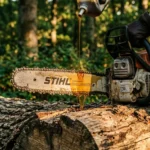




Why Chainsaw Bar Oil is Non-Negotiable for Every Cut
As an experienced outdoor power equipment specialist, I’ve seen firsthand the difference proper lubrication makes for a chainsaw. Many folks focus on engine oil and fuel mix, but they often overlook the critical role of chainsaw bar oil. This isn’t just another fluid; it’s the lifeblood of your saw’s cutting components. Running a chainsaw without adequate bar oil is one of the quickest ways to destroy your bar and chain, costing you time, money, and potentially your safety.
Table Of Content
- Why Chainsaw Bar Oil is Non-Negotiable for Every Cut
- What Exactly Does Chainsaw Bar Oil Do?
- Key Properties of a Quality Bar Oil
- 1. Viscosity (Thickness)
- 2. Tackiness (Adhesion)
- 3. Anti-Wear Additives
- Types of Chainsaw Bar Oil: What Are Your Options?
- 1. Petroleum-Based Bar Oil
- 2. Biodegradable (Vegetable-Based) Bar Oil
- What NOT to Use: A Critical Warning!
- Choosing the Right Bar Oil for Your Specific Needs
- Tips for Bar Oil System Maintenance
- Conclusion: Invest in Your Saw’s Longevity
Think of it this way: your chainsaw bar and chain move at incredible speeds, generating immense friction and heat. Without a constant flow of specialized bar oil, these components would quickly wear down, seize up, or even break. This comprehensive guide will walk you through everything you need to know about choosing the best bar oil to keep your chainsaw running smoothly and safely for years to come.
What Exactly Does Chainsaw Bar Oil Do?
Chainsaw bar oil serves several vital functions:
- Lubrication: It lubricates the cutting chain as it slides around the guide bar, dramatically reducing friction between the moving parts.
- Cooling: By reducing friction, it also dissipates heat buildup, preventing overheating of the bar and chain, which can cause premature wear and stretching.
- Cleaning: It helps to flush away sawdust, sap, and other debris that can accumulate in the bar groove and chain links.
- Corrosion Protection: Modern bar oils often contain additives that help protect the metal components from rust and corrosion.
- Extends Lifespan: Proper lubrication significantly extends the life of your guide bar, chain, and even the chainsaw’s sprocket and clutch system.
Key Properties of a Quality Bar Oil
Not all oils are created equal. When selecting bar oil, these properties are paramount:
1. Viscosity (Thickness)
Viscosity refers to an oil’s resistance to flow – essentially, how thick or thin it is. This is crucial for bar oil because it needs to flow through the oil pump and along the bar, but not be so thin that it slings off the chain too quickly. Bar oils are typically formulated to a specific viscosity, often around ISO VG 100 (which is a standard measurement for industrial lubricants), to work well in a range of temperatures.
- Warmer Climates: A slightly thicker oil is beneficial to prevent excessive sling-off due to heat.
- Colder Climates: A thinner oil is necessary to ensure it flows properly through the oil pump and lubricates effectively in freezing temperatures. Some manufacturers offer specific “winter” formulations.
2. Tackiness (Adhesion)
This is perhaps the most unique and important property of chainsaw bar oil. Tackiness is the oil’s ability to stick to the moving chain and bar, resisting the centrifugal force that tries to fling it off. Without high tackiness, most of the oil would be thrown away in seconds, leaving your bar and chain unprotected. Look for oils specifically labeled as having “high tack” or “sticky” properties.
3. Anti-Wear Additives
Good quality bar oils include additives that create a protective film on metal surfaces, further reducing wear and extending the life of your components.
Types of Chainsaw Bar Oil: What Are Your Options?
You’ll primarily encounter two main types of bar oil:
1. Petroleum-Based Bar Oil
This is the most common and generally most affordable type of bar oil. It’s derived from crude oil and formulated with specialized tackifiers and anti-wear agents. It performs reliably in most conditions and is widely available from chainsaw manufacturers and aftermarket brands. For most homeowners and DIY users, a good quality petroleum-based bar oil is an excellent choice.
2. Biodegradable (Vegetable-Based) Bar Oil
Made from renewable resources, typically vegetable oils like rapeseed or canola, biodegradable bar oil is an environmentally friendly alternative. If you’re cutting near water sources, in sensitive garden areas, or are simply conscious about your environmental footprint, this is a fantastic option. They often perform exceptionally well, offering comparable lubrication and tackiness. However, they generally come at a higher price point and can have a shorter shelf life, sometimes becoming gummy if stored for extended periods, especially in humid conditions. If you choose a biodegradable oil, it’s wise to buy smaller quantities and use them up within a season or two.
What NOT to Use: A Critical Warning!
This is where I get serious: NEVER use recycled motor oil, automatic transmission fluid (ATF), or regular motor oil in your chainsaw’s bar oil reservoir.
- Wrong Viscosity: Motor oils are designed for engines, not for lubricating a fast-moving chain and bar. They are too thin and will sling off almost immediately, leaving your saw unprotected.
- Lack of Tackifiers: They simply don’t have the tackiness needed to stick to the chain.
- Damage to Pump: The additives in motor oil can damage your chainsaw’s bar oil pump over time, leading to costly repairs.
- Environmental Hazard: Used motor oil contains harmful contaminants that are extremely detrimental to the environment when dispersed into the soil.
Using these substitutes is a false economy. You might save a few dollars initially, but you’ll pay dearly in accelerated wear, damage, and potential safety risks. Always use dedicated chainsaw bar oil.
Choosing the Right Bar Oil for Your Specific Needs
Here’s how to narrow down your choice:
- Consider Your Climate: If you live in a region with significant temperature swings, consider having both a standard oil for warmer months and a “winter” blend for colder conditions (often labeled with a lower viscosity rating or as suitable for below-freezing temperatures).
- Frequency of Use: For occasional use, a standard petroleum-based oil is perfectly adequate. Heavy users might buy in bulk for cost efficiency.
- Environmental Impact: If you’re working in sensitive areas or prioritize eco-friendliness, biodegradable options are worth the extra investment.
- Manufacturer Recommendations: While most bar oils are interchangeable, some chainsaw manufacturers produce their own branded bar oil. These are guaranteed to meet the specific needs of their equipment, but often any high-quality bar oil will suffice.
Tips for Bar Oil System Maintenance
Choosing the right oil is only half the battle; proper use and maintenance are equally important:
- Check Oil Level Regularly: Get into the habit of checking your bar oil reservoir every time you refill your fuel tank. Many modern chainsaws, like the Stihl MS 250 or Husqvarna 450 Rancher, are designed to consume bar oil at a similar rate to fuel, so refilling both simultaneously is a good practice.
- Adjust Oil Flow: Some chainsaws have an adjustable oil pump. If your saw isn’t getting enough oil (indicated by a dry bar, increased friction, or smoke), increase the flow. If it’s over-oiling, you can reduce it. A good test is to hold the running saw with the bar tip close to a clean surface; you should see a thin line of oil appear.
- Keep it Clean: Always ensure the area around your oil cap is clean before opening to prevent dirt and debris from contaminating the reservoir.
- Clean the Bar Groove and Oil Port: Regularly remove the bar and chain to clean the bar groove and the oil delivery port on the saw. Sawdust and gunk can easily block these, preventing oil from reaching the chain.
Conclusion: Invest in Your Saw’s Longevity
Choosing the Best Chainsaw Bar Oil isn’t a complex task, but it’s a vital one. By understanding the properties of good oil, avoiding harmful substitutes, and performing basic maintenance, you’ll ensure your chainsaw runs efficiently, safely, and lasts for many years to come. Don’t skimp on this essential fluid – your chainsaw will thank you for it, and so will your wallet in the long run. If you have any further questions about chainsaw maintenance or specific product recommendations, feel free to explore more guides on our website!