


Tackling That Stubborn Stump: Your DIY chainsaw Guide
So, you’ve successfully felled a tree, but now you’re left with that persistent stump, an unsightly obstacle in your yard. While professional stump grinding is an option, many homeowners and DIY enthusiasts prefer to tackle the job themselves. With the right techniques and, most importantly, a strong focus on safety, your chainsaw can be a powerful tool for removing that unwanted tree remnant.
Table Of Content
As your trusted chainsaw professional, I’m here to guide you through the process, ensuring you work efficiently and safely. Let’s get that stump out!
Is a Chainsaw the Right Tool for Stump Removal?
A chainsaw can be very effective for breaking down a stump, especially larger ones, into manageable pieces. It’s often quicker than hand tools for substantial wood removal. However, it’s crucial to understand that using a chainsaw for stump removal can be harder on your equipment than regular felling or limbing. Why? Because you’ll be cutting close to, or even into, the dirt, which rapidly dulls your chain and can cause kickback if not handled properly. This guide focuses on minimizing these risks while maximizing your efforts.
Safety First: Always Your #1 Priority
Before you even think about starting your chainsaw, let’s talk safety. Stump removal presents unique hazards, so proper preparation is non-negotiable.
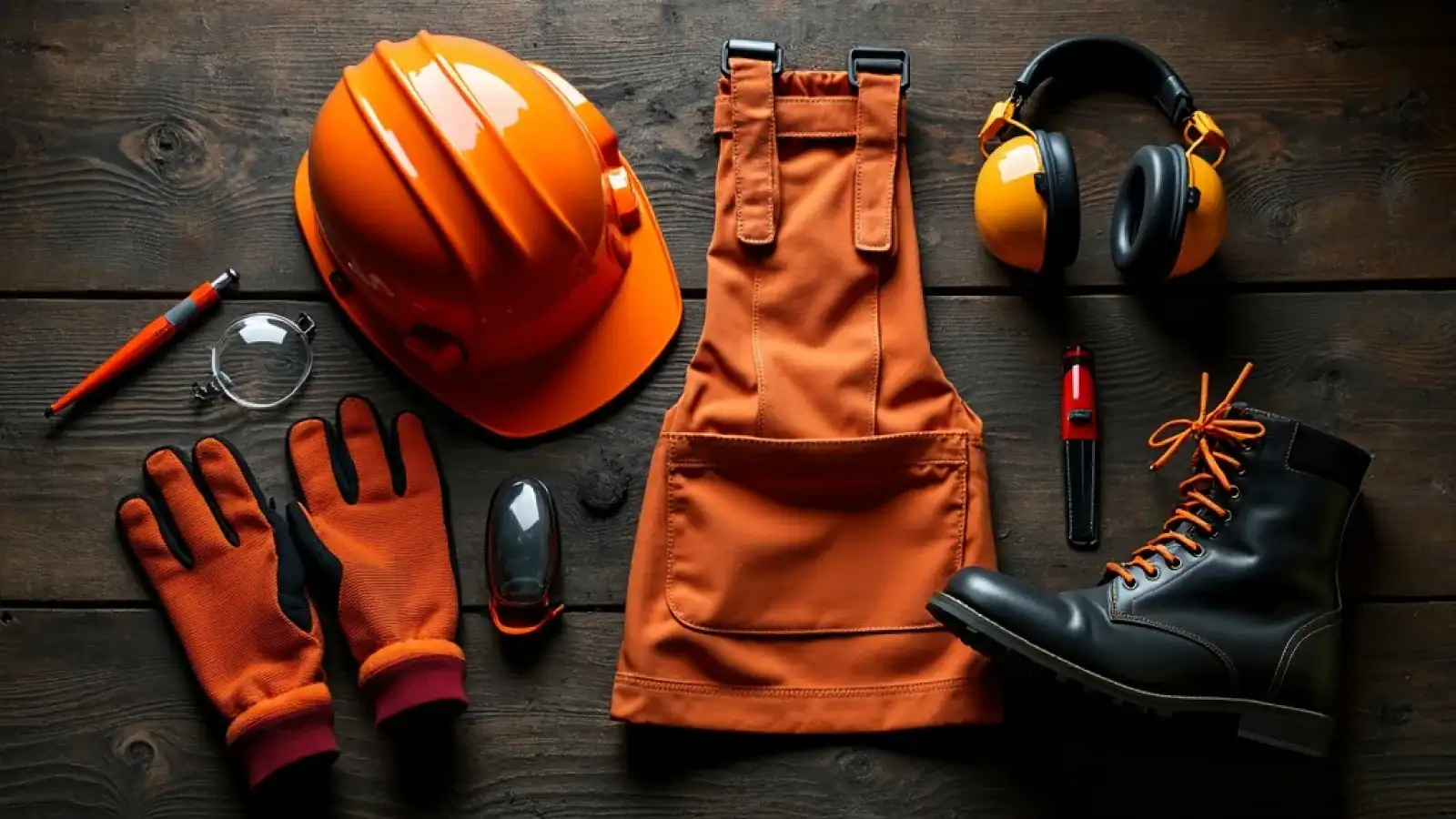
- Personal Protective Equipment (PPE): This is not optional. Always wear:
- Helmet with Face Shield and hearing protection: Protects your head, eyes, and ears from flying debris and noise.
- Chainsaw Chaps or Pants: Essential for protecting your legs from accidental chain contact.
- Heavy-Duty Work Gloves: For grip and protection.
- Steel-Toe Boots: Protects your feet from falling wood or the saw itself.
- Clear the Area: Remove all rocks, debris, tools, and anything that could interfere with your cutting or trip you.
- Stable Footing: Ensure you have a solid, balanced stance at all times. Avoid awkward positions.
- Kickback Awareness: Kickback is the sudden, upward and backward thrust of the guide bar, usually caused by the chain on the nose of the bar contacting an object or being pinched. Always be aware of the kickback zone (the upper quadrant of the bar nose) and avoid cutting with it. Maintain a firm grip with both hands.
- No Obstructions: Do not cut into dirt, rocks, or metal. These will instantly dull your chain and can cause dangerous kickback.
Tools and Equipment You’ll Need
- Chainsaw: A medium to large chainsaw (50cc engine size or larger) with an 18-20 inch guide bar is ideal for most stumps. Smaller saws may struggle with larger diameter stumps. Models like the Stihl MS 271 Farm Boss or Husqvarna 455 Rancher are excellent choices for homeowners needing more power.
- Sharp Chains: Have several sharpened chains on hand, or a sharpening kit. Your chain will dull quickly.
- Shovel and Pickaxe/Mattock: For digging around the stump and severing smaller roots.
- Ax or Pry Bar: To help lever out pieces or cut smaller roots.
- Broom/Brush: To clear sawdust.
- Fuel and Bar Oil: Keep your saw running smoothly.
Step-by-Step Stump Removal Techniques with Your Chainsaw
The goal is to reduce the stump as low as possible, ideally below ground level, making subsequent removal easier.
- Prepare the Area:
Start by clearing all loose dirt, rocks, and debris from around the stump. Use your shovel to dig a trench around the perimeter of the stump, exposing as many of the surface roots as possible. Aim for at least 6-12 inches deep and wide. This protects your chain from hitting soil.
- Initial Cuts: Flat and Low:
If the stump is tall, begin by cutting it down horizontally, as close to the ground as safely possible. Make several parallel cross-hatch cuts across the top of the stump, about 2-4 inches deep and 4-6 inches apart. This creates a grid pattern. Then, make angled cuts to remove the resulting blocks of wood. This technique helps break down the large mass and allows you to work lower.
- Working Downwards: The “Star” or “Waffle” Pattern:
Continue making horizontal cuts, working your way deeper into the stump. A common method is to create a star-like or waffle pattern on the top surface. Make cuts from the outside edge towards the center, then make intersecting cuts. The more you cut away from the top, the easier it becomes to remove larger chunks. You can also make plunge cuts (inserting the tip of the bar into the wood) carefully, but only after you’ve made initial cuts and have a clear understanding of the wood grain. Never plunge cut directly into the ground.
- Exposing and Severing Roots:
As you remove more of the stump’s core, you’ll expose larger roots. Continue digging around these roots to clean off as much soil as possible. Use your chainsaw to cut these exposed roots. Always make sure the root is elevated or on a clear cutting surface, never directly on or into the ground. Cut them back as far as you can.
- The Final Push: Getting Below Grade:
Once you’ve removed as much of the stump as possible with your chainsaw, you’ll be left with the base, often still slightly above or at ground level. Continue to dig around this core, exposing more wood and roots. Your chainsaw’s role here is mostly finished, as further cutting would mean hitting dirt. At this point, you can use an ax or pry bar to break apart remaining pieces, or consider alternative methods like chemical stump removers, burning (check local regulations!), or simply covering with soil and allowing it to decompose naturally.
Post-Removal Maintenance for Your Chainsaw
After the hard work, your chainsaw needs some attention:
- Clean Thoroughly: Remove all sawdust, sap, and debris from the air filter, cooling fins, and around the clutch. A stiff brush and compressed air work well.
- Sharpen/Replace Chain: Your chain will undoubtedly be dull. Sharpen it or replace it with a fresh one. A sharp chain is a safe and efficient chain.
- Check Guide Bar: Inspect the guide bar for burrs, uneven wear, or damage. Clean the guide bar groove.
Conclusion
Removing a tree stump with a chainsaw is a challenging but rewarding DIY project. By following these techniques, prioritizing safety, and maintaining your equipment, you can successfully reclaim your yard space. Remember, patience and careful planning are key to a job well done. Happy cutting!