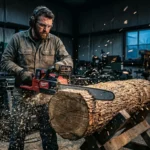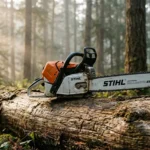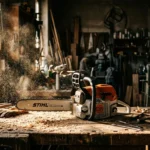


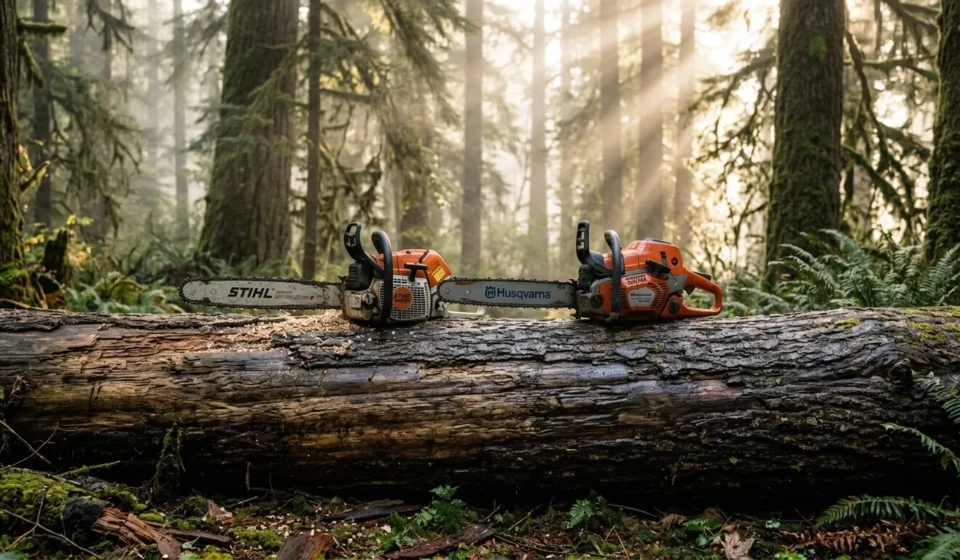

Choosing the right chainsaw can feel like navigating a dense forest without a map, especially when you’re looking at popular mid-range models. For many homeowners, landowners, and serious DIYers, the decision often comes down to two legendary names: Stihl and Husqvarna. Specifically, the Stihl MS 250 and the Husqvarna 440 are perennial favorites in the “prosumer” category, offering a compelling blend of power, features, and manageability.
Table Of Content
- The Contenders at a Glance: Two Different Philosophies
- Stihl MS 250: The Robust Workhorse
- Husqvarna 440: The Agile All-Rounder
- Head-to-Head: Performance & Power
- Engine & Power Delivery
- Cutting Capabilities & Bar Length
- Ergonomics, Features & User Experience
- Comfort & Handling
- User-Friendly Features & Maintenance
- Durability, Price & Value
- Build Quality & Longevity
- Investment & Long-Term Value
- Making Your Choice: Who Wins for You?
But which one truly deserves a spot in your shed? As an experienced outdoor power equipment specialist, I’ve seen both of these saws put through their paces countless times. This detailed comparison isn’t just about specs; it’s about helping you understand how these machines feel in your hands, how they perform on your property, and ultimately, which one will be your most reliable partner for years to come. Let’s dive in.
The Contenders at a Glance: Two Different Philosophies
Both the Stihl MS 250 and the Husqvarna 440 are designed for similar tasks: felling small to medium trees, bucking firewood, and general property maintenance. They sit comfortably in the mid-range class, above entry-level homeowner saws but below heavy-duty professional models. However, they approach these tasks with slightly different philosophies, which becomes clear when you look at their core design.
Stihl MS 250: The Robust Workhorse
The Stihl MS 250 is often described as a solid, dependable workhorse. With a 45.4 cc engine and a power output of 3.0 horsepower (2.2 kW), it brings a good amount of grunt to the table. It’s a popular choice for those who appreciate Stihl’s reputation for rugged build quality and straightforward operation. Often paired with an 18-inch bar, it feels substantial in hand, ready to tackle significant cutting jobs with confidence. Honestly, when I pick up an MS 250, I feel like I’m holding a tool that’s built to last and perform consistently.
Husqvarna 440: The Agile All-Rounder
On the other side, we have the Husqvarna 440. This saw is known for its user-friendliness and agile handling, often appealing to those who might be newer to chainsaws or simply prefer a lighter, more nimble machine. It features a slightly smaller 40.9 cc engine, producing 2.4 horsepower (1.8 kW). While its power output is a touch less than the MS 250, the Husqvarna 440 compensates with smart ergonomic design and features that make it very comfortable to operate. It’s commonly equipped with a 16-inch or 18-inch bar, making it versatile for a variety of tasks.
Head-to-Head: Performance & Power
Now, let’s get to the really critical point: how do these saws actually cut wood? Power isn’t everything, but it’s certainly a major factor when you’re felling trees or processing large amounts of firewood. Both saws deliver excellent performance for their class, but there are nuances.
Engine & Power Delivery
The Stihl MS 250, with its larger engine displacement and higher horsepower, generally offers a more aggressive cut, especially in denser hardwoods. That extra 0.6 horsepower is noticeable when you’re buried deep in a log. It tends to maintain its RPMs better under load, powering through without bogging down as easily. This means fewer stalls and a more consistent cutting experience, which can save you time and frustration over a long day of work. For example, imagine you’re bucking a particularly thick oak log; the MS 250 often feels like it has that extra reserve power to just keep pulling through.
The Husqvarna 440, while having less raw power, is no slouch. Its X-Torq® engine technology is designed for higher fuel efficiency and reduced exhaust emissions, which is a big plus for the environment and your wallet. While it might not have the sheer grunt of the Stihl in the most demanding cuts, its power delivery is smooth and responsive. It gets up to speed quickly and handles smaller to medium-sized logs with ease. For general property clean-up or cutting smaller diameter trees, its power-to-weight ratio feels very balanced.
Cutting Capabilities & Bar Length
Both saws typically come with either a 16-inch or 18-inch guide bar, making them suitable for felling trees up to about 16-18 inches in diameter (using proper felling techniques and cutting from both sides). The Stihl MS 250’s slightly higher power output makes it marginally better suited for consistently running an 18-inch bar, especially when dealing with tough wood. The Husqvarna 440 is perfectly capable with an 18-inch bar for most users, but for sustained heavy use, I personally lean towards the Stihl’s robustness when an 18-inch bar is mandatory.
Ergonomics, Features & User Experience
Beyond raw power, how a chainsaw feels to use over several hours is paramount. Comfort, ease of starting, and maintenance features significantly impact your productivity and safety. This is where personal preference often plays a huge role.
Comfort & Handling
The Husqvarna 440 has a slight edge in terms of weight, often coming in around 9.8 lbs (powerhead only) compared to the Stihl MS 250’s 10.1 lbs (powerhead only). While this difference might seem minor on paper, it can be noticeable after an hour of cutting. Husqvarna’s LowVib® anti-vibration system is excellent, significantly reducing operator fatigue. The handle design often feels a bit more refined and balanced for smaller hands or those who prefer a more agile feel. What does this mean for your weekend project? Less hand numbness and more control.
The Stihl MS 250 also features an effective anti-vibration system, but some users report it feels a bit more “solid” and less forgiving in terms of vibration compared to the Husqvarna. Its slightly heavier build can contribute to a feeling of stability during cutting, which some operators prefer. For those who prioritize a sturdy, unyielding feel, the MS 250 delivers. Both saws feature good chain brakes for safety, an absolutely non-negotiable feature in my book.
User-Friendly Features & Maintenance
- Starting: The Husqvarna 440 boasts Smart Start® technology and a fuel primer bulb, making it famously easy to start – often with minimal pull force. The Stihl MS 250 uses a decompression valve and is generally reliable, but some find the Husqvarna’s starting sequence a little more forgiving, especially on cold mornings.
- Air Filtration: Both saws have good air filtration systems. Husqvarna’s Air Injection™ centrifugal air cleaning system pre-cleans air before it reaches the filter, extending filter life and maintaining engine performance. Stihl also employs effective air filtration, though it’s a more conventional system.
- Chain Tensioning: Both models typically feature side-access chain tensioning, which is the most common and user-friendly method. Some Husqvarna models offer tool-less tensioning, which is a fantastic convenience, but less common on the 440 model.
- Fuel and Oil Caps: Stihl is known for its tool-less fuel and oil caps, which are quick and easy to open and close – a small but significant detail when you’re refueling multiple times. Husqvarna usually requires a wrench or screwdriver for its caps, which can be a minor inconvenience.
Durability, Price & Value
A chainsaw is an investment, and you want it to last. Let’s talk about build quality, what you can expect to pay, and the long-term value of each machine.
Build Quality & Longevity
Both Stihl and Husqvarna are renowned for their robust engineering and durable components. The Stihl MS 250 has a strong reputation for being a tank – reliable and capable of withstanding years of tough use. Its solid construction and readily available parts mean it can often be repaired and maintained for a very long lifespan. Based on my experience, many Stihl MS 250s continue to run strong for well over a decade with proper care.
The Husqvarna 440 also offers excellent build quality. While perhaps perceived as slightly less “heavy-duty” than the MS 250, it is by no means fragile. Its components are well-engineered, and like Stihl, Husqvarna has a vast network of dealers for parts and service. Both saws, if maintained according to the manufacturer’s recommendations (clean air filter, sharp chain, fresh fuel, correct oil mix), will provide many years of dependable service.
Investment & Long-Term Value
In terms of initial purchase price, the Stihl MS 250 and Husqvarna 440 are often very competitive, usually falling within a similar price bracket, typically in the $350-$450 USD range, depending on the retailer, bar length, and any promotions. Prices can fluctuate, so always check with your local authorized dealer. To be fair, neither saw is a “budget” option, but they offer excellent value for the performance and durability they provide.
Consider the cost of ownership beyond the initial purchase. Both brands have excellent dealer networks, meaning access to genuine parts, service, and expert advice is usually easy. This contributes significantly to their long-term value. Resale value for both Stihl and Husqvarna models tends to be strong, another testament to their perceived quality and reliability.
Making Your Choice: Who Wins for You?
So, after all this, which mid-range chainsaw is the champion for your needs? There’s no single “best” saw; it truly depends on what you prioritize.
- Choose the Stihl MS 250 if:
- You prioritize raw cutting power and robust build quality for consistent heavy-duty tasks like felling larger trees or processing dense hardwoods.
- You value a slightly more traditional, sturdy feel in your chainsaw.
- You’re already familiar with Stihl’s operating quirks or have a local Stihl dealer you trust.
- Choose the Husqvarna 440 if:
- You value a lighter, more agile saw that’s easy to handle and less fatiguing for longer periods.
- You appreciate user-friendly features like easier starting and advanced anti-vibration technology.
- You prioritize fuel efficiency and lower emissions, thanks to its X-Torq® engine.
- You’re newer to chainsaws and want a model that’s forgiving and comfortable to operate.
Ultimately, both the Stihl MS 250 and the Husqvarna 440 are fantastic mid-range chainsaws that will serve you well for years. They are both prime examples of why Best Professional Chainsaw often highlights these brands. I always recommend visiting your local authorized dealer for both brands if possible. Hold each saw, feel the balance, and ask to hear them run (safely, of course). That personal connection with the tool often seals the deal better than any spec sheet ever could.
No matter which you choose, remember that proper safety gear – including chaps, helmet, hearing protection, and gloves – is non-negotiable. Learn proper cutting techniques, keep your chain sharp, and always respect the power of your saw. With the right knowledge and the perfect tool in hand, you’ll be tackling your wood-cutting projects efficiently and safely for years to come.