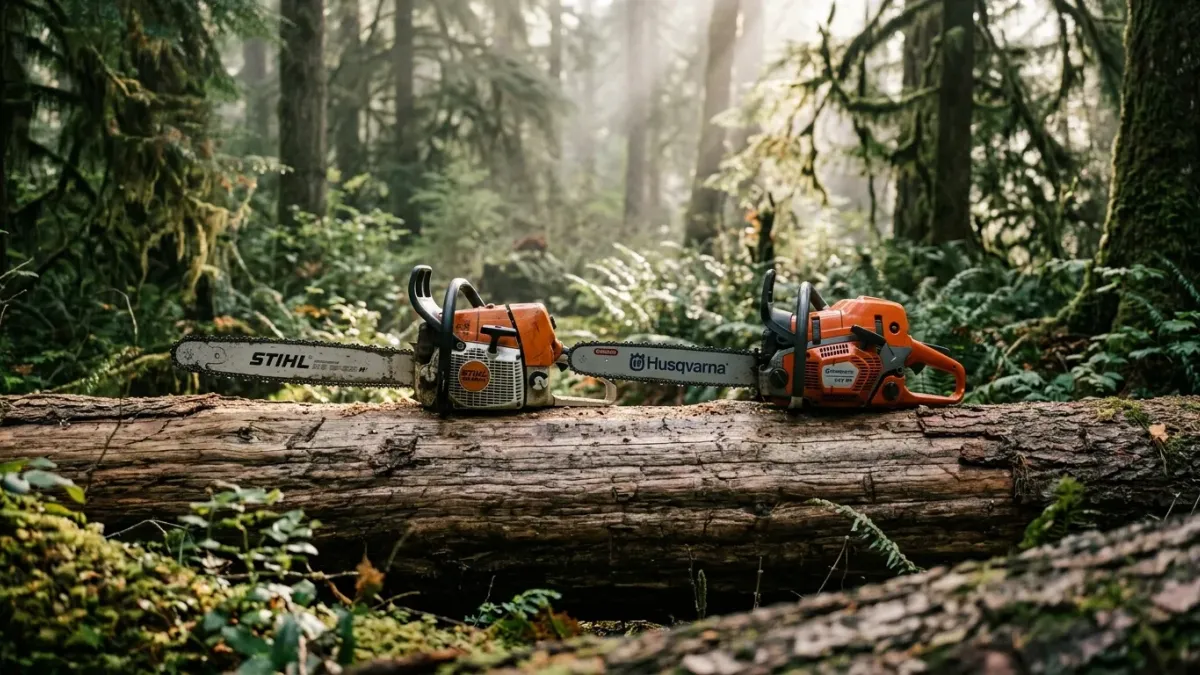
Selecting a reliable gas chainsaw in the 40cc to 45cc range is one of the most practical investments a homeowner, small landowner, or firewood cutter can make. In this competitive mid-range category, two models consistently lead user discussions: the Stihl MS 250 and the Husqvarna 440. Both machines step well beyond basic trim-and-prune duty, offering enough muscle to buck logs, clear storm blowdowns, and fell trees up to 14 or 16 inches in diameter without forcing you into heavy, expensive professional timber saws.
Quick answer: Choose the Stihl MS 250 if you prioritize raw cutting power, faster wood processing, and high torque for hard oak or hickory logs. Choose the husqvarna 440 if you prefer lighter weight, easier spring-assisted pulling starts, superior fuel efficiency, and lower overall engine emissions.
Husqvarna 440 vs Stihl MS 250: Engine Performance and Power Output
When comparing pure cutting authority, the displacement and power specs reveal a noticeable distinction between these two contenders. The Stihl MS 250 houses a 45.4 cc two-stroke engine producing 3.0 brake horsepower (2.2 kW). This higher power-to-weight ratio allows the MS 250 to pull an 18-inch guide bar through dense hardwoods with minimal engine bogging, especially when maintaining a steady hand feed. It relies on a proven conventional high-revving engine layout that delivers instant throttle response and high chain speed under heavy loads.
The Husqvarna 440 runs a slightly smaller 40.9 cc X-Torq® engine generating 2.4 horsepower (1.8 kW). While it yields roughly 0.6 horsepower to the Stihl, Husqvarna’s proprietary X-Torq® engine design uses dual air intake passages to sweep exhaust gases using fresh air rather than fuel mixture. This technology delivers up to 20% better fuel economy and up to 60% lower exhaust emissions compared to non-stratified engines. In practical terms, the Husqvarna 440 burns less fresh 50:1 gas mixture over an afternoon of limbing, though it requires a lighter touch when bucking logs over 12 inches in diameter.
Chain setup also impacts cutting dynamics. The Stihl MS 250 traditionally runs a .325 pitch chain with a .063 gauge, creating a beefy kerf that resists chain flex during severe cuts. The husqvarna 440 frequently comes paired with a .325 pitch, .050 gauge low-profile or narrow-kerf setup. The thinner cutting channel of the 440 helps offset its lower horsepower by requiring less energy to remove wood fibers, making it exceptionally fast in softwood and medium branches.
Build Quality, Ergonomics, and Handling
Ergonomics play a vital role during multi-hour cutting sessions on acreage. The Husqvarna 440 shines brightly in user comfort, weighing in at a light 9.7 lbs (4.4 kg) for the powerhead alone. Husqvarna engineered the handle geometry with a distinctly slim saw body and a swept-front top handle, giving operators exceptional control when pivoting during limbing operations. Furthermore, Husqvarna's LowVib® anti-vibration system uses heavy-duty steel isolation springs rather than rubber dampers, isolating the operator's hands from engine buzz and chain chatter far more effectively.
Pro tip: On new saws, remember that a new chain will stretch significantly during its first two tanks of fuel. Always check your chain tension after every 10 to 15 minutes of operation on a fresh bar and chain set. A loose chain can derail, damage the drive links, or create serious kickback risks, while an overtightened chain prematurely wears out the nose sprocket and clutch bearings.
The Stihl MS 250 comes in slightly heavier at 10.1 lbs (4.6 kg) dry powerhead weight. While half a pound seems minor on paper, the physical balance of the MS 250 feels somewhat more forward-heavy when paired with an 18-inch bar. Stihl utilizes rubber buffer mounts for its anti-vibration setup. They provide solid damping for moderate work, but pass slightly more vibration through to your grip during full-throttle cuts through dry hardwood. However, the MS 250 counters with rugged casing plastic that resists impacts, cracked covers, and jobsite abuse extremely well.
Maintenance, Chain Tensioning, and Feature Breakdown
Daily operation and maintenance highlights key engineering differences between the brands. Starting procedure is a prime example: the Husqvarna 440 features Smart Start® technology along with a combined choke/stop switch. The starter cord recoil spring reduces pulling resistance by up to 40%, allowing smooth, low-effort pulls that spare your shoulder. Combined with an air purge primer bulb, the 440 typically fires up reliably in two to three pulls even after sitting idle for weeks.
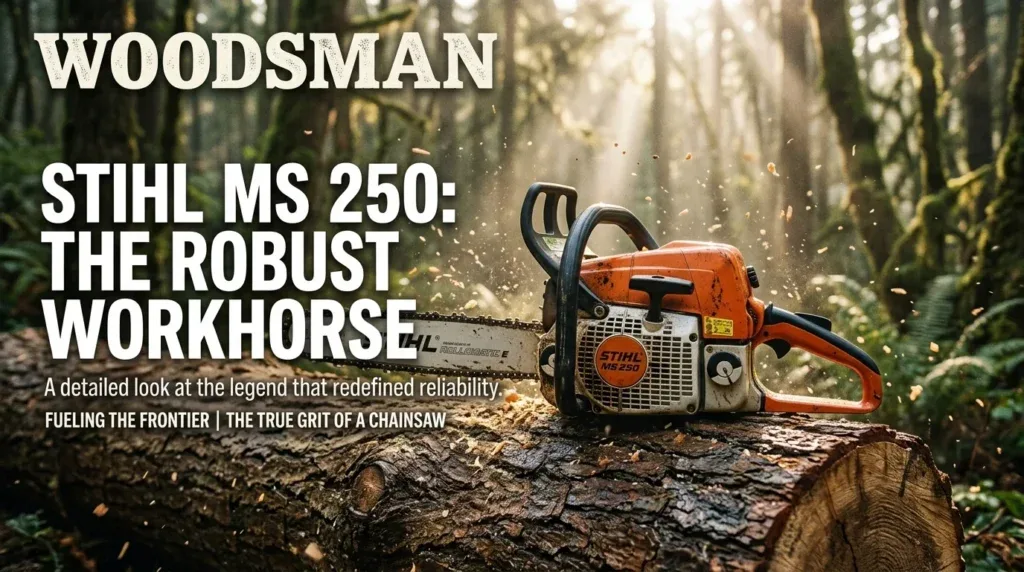
Stihl relies on its classic Master Control Lever™ on the MS 250, combining choke, half-throttle, start, and run positions into a single thumb-operated switch. Starting an MS 250 requires strict adherence to procedure: set full choke, pull until the engine pops once, immediately flip to half-choke, and pull again. Skipping the single engine pop can easily flood the carburetor. Once familiarized with this rhythm, the MS 250 starts reliably, but beginners often experience a learning curve compared to the Husqvarna system.
Air filtration and chain servicing also diverge. Husqvarna incorporates an Air Injection® centrifugal air cleaning system that removes large dust and wood particles before they ever reach the primary air filter. This extends filter life significantly between cleanings. Stihl's MS 250 uses a simpler baffle system with a easy-access baffle filter that requires more frequent blowing out with compressed air if you are cutting dry, rotted firewood or dead cedar. Chain tensioning on the standard MS 250 features a side-access chain tensioner operated via a standard scremrench, providing reliable clamp-down force via dual bar nuts.
Head-to-Head Specification Table
To help you compare raw numbers before visiting your local outdoor equipment dealer or reviewing chainsaw products, here is how the specifications line up side by side:
| Specification | Stihl MS 250 | Husqvarna 440 |
|---|---|---|
| Engine Displacement | 45.4 cc | 40.9 cc |
| Power Output | 2.95 bhp / 3.0 hp (2.2 kW) | 2.4 hp (1.8 kW) |
| Powerhead Weight | 10.1 lbs (4.6 kg) | 9.7 lbs (4.4 kg) |
| Recommended Bar Lengths | 16" to 18" | 16" to 18" |
| Chain Pitch / Gauge | .325" / .063" | .325" / .050" (or 3/8" LP) |
| Fuel Mix Ratio | 50:1 (Gasoline to 2-Cycle Oil) | 50:1 (Gasoline to 2-Cycle Oil) |
| Air Filtration System | Standard baffle filter | Centrifugal Air Injection® |
| Anti-Vibration Mounts | Rubber buffer mounts | Steel spring LowVib® system |
Regardless of which model you choose, safety equipment is non-negotiable. Always operate gas chainsaws wearing full protective gear: ANSI-approved cut-retardant chainsaw chaps, heavy leather boots, safety glasses, gloves, and a helmet with a mesh face screen and hearing protection rated for at least 25 dB noise reduction.
Frequently Asked Questions
Can I run a 20-inch bar on the Stihl MS 250 or Husqvarna 440?
While a 20-inch bar can physically bolt onto both saws, it is not recommended. The optimal balance for the MS 250 is a 16 or 18-inch bar. The Husqvarna 440 performs best with a 16-inch bar. Fitting a 20-inch bar bogs down the oil pump, slows chain speed, and overworks the clutch assembly on both 40-45cc engines.
What is the correct gas-to-oil mix ratio for these chainsaws?
Both manufacturers specify a 50:1 fresh gasoline to two-stroke engine oil ratio. Use 89 octane unleaded gasoline or higher mixed with high-grade synthetic 2-cycle oil designed for air-cooled power equipment. Ethanol-free fuel is strongly recommended to prevent carburetor diaphragm deterioration and corrosion during storage.
Is the Stihl MS 250 worth the higher price over the Husqvarna 440?
If your primary job is cutting 2 to 5 cords of dense hardwood (oak, maple, hickory) for winter heating every year, the extra 0.6 horsepower of the MS 250 justifies the extra cost. If your work consists mainly of storm cleanup, clearing pine, and light trail clearing, the lower price, easy starting, and lighter weight of the Husqvarna 440 make it the smarter value.
Which Chainsaw Should You Buy?
If you need maximum cutting capacity and intend to process thick firewood logs weekend after weekend, buy the Stihl MS 250 paired with an 18-inch bar. Its extra 0.6 horsepower and heavy-duty drivetrain handle sustained cutting through dense oak and maple with noticeably less bogging. If ergonomics, effortless recoil starting, superior air filtration, and lighter weight are your top priorities for storm cleanup, limbing, and light felling, purchase the Husqvarna 440 equipped with a 16-inch bar. Before starting either machine, ensure you stock up on fresh 50:1 ethanol-free fuel mix, quality bar and chain lubricant, and full protective chaps.
Sources
- Stihl USA Technical Specification Data Sheet - MS 250 Chainsaw Manual
- Husqvarna Group Global Product Technical Manual - 440 e-series Specifications
- OSHA Standard 1910.266 - Logging Operations and Hand-Held Power Chain Saw Safety Requirements
- ANSI B175.1 - American National Standard for Power Tools - Gasoline-Powered Chainsaws Safety Requirements