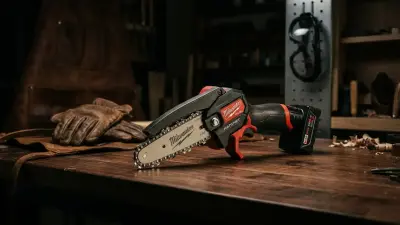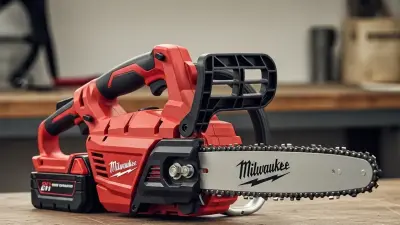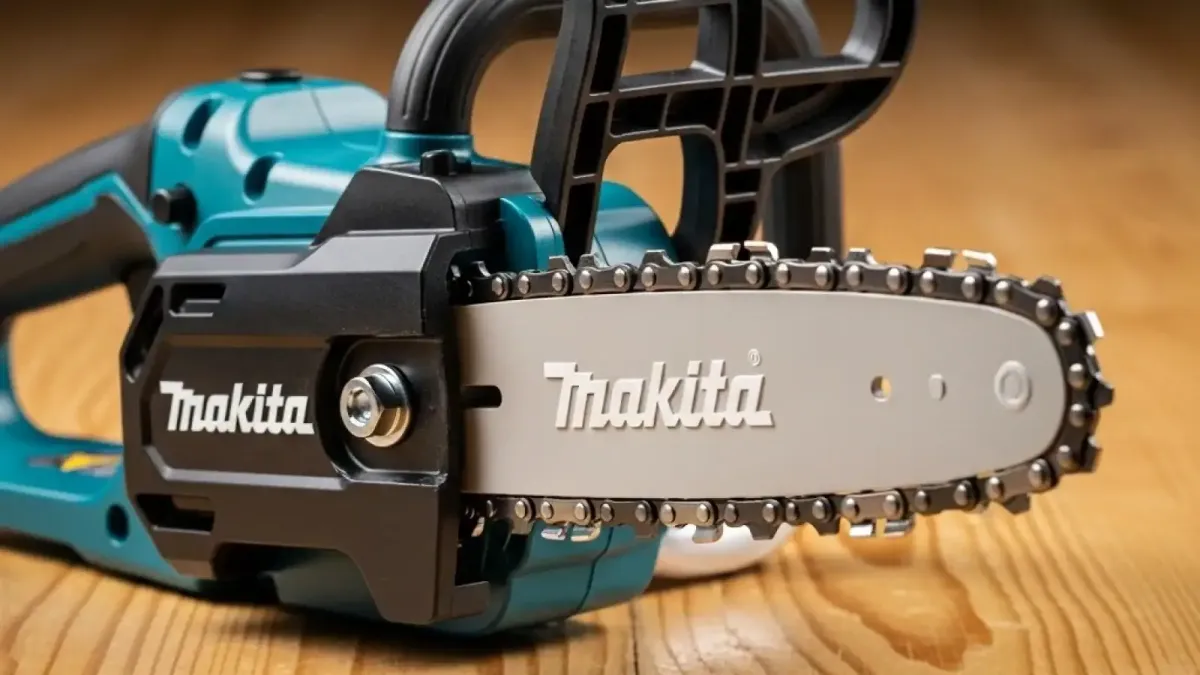
Quick answer: A Makita mini chainsaw—such as the popular 18V LXT DUC254 / XCU06 or the 10.8V/12V max CXT DUC122—is a lightweight, battery-powered pruning saw designed for fast limb clearing, arboriculture, and DIY woodcutting up to 8 inches in diameter. Featuring brushless motors, high chain speeds up to 4,720 FPM (24 m/s), and ultra-narrow quarter-inch pitch chains, these tools excel in power-to-weight efficiency without the noise or hassle of gas maintenance.
Understanding the Makita Mini Chainsaw Range and Platform Compatibility
Navigating the Makita cordless lineup requires a clear understanding of their battery systems, because the underlying voltage directly dictates torque delivery, bar length capabilities, and weight distribution. Makita primarily splits its compact cutting line between the ultra-compact CXT (12V max) series and the ultra-popular 18V LXT platform. While some larger timber saws run on dual 18V batteries (36V LXT) or the heavy-duty 40V max XGT system, true mini saws thrive on single-battery setups to maintain maximum maneuverability in tight canopies.
The 18V LXT platform is the sweet spot for most DIYers and professional arborists looking for a dedicated top-handle or compact rear-handle saw. Using Makita's Star Protection Computer Controls, these tools dynamically manage current draw, operating temperature, and voltage discharge in real time to prevent motor burnouts under heavy pine or oak loads. Choosing a mini saw within a battery lineup you already own avoids extra expenditure on charger kits, allowing you to buy bare tools directly.
Below is a direct specification comparison of the most popular compact cordless cutting models available in Makita's ecosystem:
| Model Number | Voltage Platform | Bar Length | chain pitch & Gauge | Max Chain Speed | Weight (with Battery) |
|---|---|---|---|---|---|
| DUC122 / XCU01 | 12V max CXT / 18V LXT | 4.5" (11.5 cm) | 1/4" pitch, .050" gauge | 1,000 FPM (5.0 m/s) | 5.7 lbs (2.6 kg) |
| DUC254 / XCU06 | 18V LXT | 10" (25 cm) | 3/8" LP or 1/4", .043" / .050" | 4,720 FPM (24.0 m/s) | 7.2 lbs (3.3 kg) |
| DUC306 / XCU08 | 36V (18V x2) LXT | 12" (30 cm) | 3/8" Low Profile, .043" | 3,940 FPM (20.0 m/s) | 10.4 lbs (4.7 kg) |
Key Technical Features and Cutting Power Breakdown
At the center of Makita's cutting performance is their Outer Rotor Brushless Motor direct-drive system. By eliminating drive belts or complex internal gear reductions, energy transfer from the lithium-ion cells to the drive sprocket is exceptionally efficient. In field tests, a brushless top-handle saw like the 18V XCU06 delivers cutting speed comparable to a 25cc 2-stroke gas pruning saw, allowing operators to drop 4-inch hardwood limbs in under four seconds without bogging down.
Selecting the right chain setup is vital to maximizing battery power. Most Makita mini chainsaws utilize either a 3/8" Low Profile (LP) chain with a .043" gauge or a 1/4" pitch chain. Narrow-kerf chains remove less wood material per revolution than standard .050" or .058" pitch setups seen on larger farm saws. Less wood removal equals lower amperage draw from the battery, significantly increasing your runtime per charge while keeping kickback potential down.
Pro tip: Brand new micro-pitch chains stretch rapidly during their first three to four cutting cycles. On 18V Makita top-handle saws, keep a scremewrench handy and check the tension every 5 minutes until thermal expansion stabilizes. Running a slack chain on these high-speed (24 m/s) compact sprockets risks throwing the drive links and chewing up the aluminum chain catcher.
Proper lubrication is another critical factor for maintaining peak chain speed. Makita integrates automatic gear-driven oil pumps with adjustable flow rates on their 18V and 36V models. When cutting softwood like pine or dry hardwoods like oak, opening the oil flow screw ensures the bar groove does not overheat, avoiding chain discoloration and preserving battery reserve power. Always stick with dedicated tacky bar oil rather than motor oil to protect internal pump seals.
Safety Practices, Ergonomics, and Operating Techniques
Despite their small size, mini battery chainsaws run at high chain speeds and demand the exact same respect as standard timber saws. Kickback remains the single greatest hazard when pruning overhead or working inside dense brush. Kickback happens when the reactive quadrant—the top half of the guide bar tip—contacts hard wood, forcing the bar violent upward toward the operator. Always keep a firm two-handed grip whenever possible, even on compact top-handle configurations designed for one-handed reach during specialized climbing scenarios.
Personal Protective Equipment (PPE) is mandatory regardless of tool power source. Ensure your gear includes chainsaw-rated chaps or pants tested to ASTM F1897 standards, safety glasses with side shields, heavy leather work gloves, and steel or composite toe boots. Because electric motors generate minimal motor noise compared to gas engines, operators often forget that high-velocity wood chips and chain hazards remain identical.
To perform efficient pruning cuts, position the spike bumper firmly against the log or branch before engaging the throttle trigger. Let the high chain speed do the work rather than forcing the bar down with shoulder muscle pressure. For branches larger than 2 inches in diameter, perform an initial relief undercut on the underside of the limb to prevent the bark from tearing strip wounds down the tree trunk as the branch falls.
For detailed safety guidance and maintenance routines applicable across various saw platforms, check out our comprehensive guides on chainsaw maintenance best practices and selecting the ideal setup in our mini chainsaw category guides.
Maintenance and Essential Upgrades for Peak Efficiency
Keeping a Makita mini chainsaw operating at peak efficiency boils down to three primary tasks: air path cleaning, guide bar dressing, and precise teeth sharpening. Unlike gas units that require carburetor tuning, spark plug gaps, and 50:1 fuel mixing, battery saws only require electrical contact checks and mechanical drive care. Regularly blow out wood dust accumulation around the trigger contacts and heat sinks using compressed air after heavy cutting sessions.
chain sharpening requires specific file sizes tailored to narrow-kerf chains. A standard 3/8" LP chain usually requires a 5/32" (4.0 mm) round file, while specialized 1/4" pitch mini chains may require a 1/8" (3.2 mm) file. Keep file strokes angled at 30 degrees, pushing in one forward direction across each cutter tooth. Maintain depth gauges (rakers) at .025 inches below the cutter tip to prevent aggressive grabbing or excessive chatter through the cut.
For ideal longevity and storage, inspect your equipment using this quick maintenance checklist:
- Clean clogged oiler ports on the guide bar tail after every usage cycle.
- Remove drive sprocket cover to clear packed sawdust and chain oil resin buildup.
- Check drive links for burrs or physical deformation before tensioning.
- Store lithium-ion batteries at roughly 50% charge state in temperature-controlled spaces if idle for over 30 days.
Choosing the Right Makita Model for Your Cutting Needs
If your primary workload consists of light garden maintenance, fruit tree trimming, and dropping small branches up to 3 inches thick, the ultra-lightweight 12V max or single 18V compact options offer all the power you need without added weight fatigue. For landowners who need to process storm cleanup debris, clear deadwood from thickets, or cut small firewood logs up to 8 inches thick, step up to the 18V LXT DUC254 / XCU06 top-handle saw equipped with a 10-inch bar. It provides the ideal balance of high chain speed, compact handling, and wide battery system cross-compatibility.
Frequently Asked Questions
How long does a battery last on a Makita mini chainsaw?
Runtime depends heavily on wood density, chain sharpness, and battery amp-hour capacity. Using an 18V LXT 5.0Ah battery on a 10-inch model like the XCU06, you can generally expect between 60 to 90 cuts through 3-inch medium hardwood branches per charge.
Can I use standard bar and chain oil in a Makita battery chainsaw?
Yes, all Makita cordless chainsaws require standard, high-tack bar and chain oil to keep the cutting chain lubricated. Never use used engine oil or non-tacky liquids, as they can cause oil pump failure and excessive bar wear.
Is a top-handle Makita chainsaw safe for home use?
Top-handle saws are intentionally balanced for arborists operating at height. While safe when used correctly, home operators should keep two hands on the handles whenever possible and maintain strict awareness of kickback zones during ground level pruning.
Sources
- Makita USA Official Product Specifications & Engineering Sheets
- ANSI B175.1 Safety Requirements for Gasoline and Electric Powered Chainsaws
- OSHA Standard 1910.266 - Logging Operations and Equipment Guidelines