Disclosure: As an Amazon Associate, we earn from qualifying purchases.
Unlock Your Chainsaw's Hidden Potential
As your trusted chainsaw expert here at best professional chainsaw, I often hear from folks who love the raw power and efficiency of their chainsaws for felling trees and bucking logs. But what if I told you your chainsaw could do so much more? Beyond the basic cuts, a whole world of specialized attachments exists that can transform your trusty saw into a versatile powerhouse, allowing you to tackle projects you might never have thought possible. Let's dive into some of the most practical and ingenious chainsaw attachments that can significantly boost your equipment's utility.
Why invest in attachments? Simple: they save you money, storage space, and often provide a portable, powerful solution for specialized tasks without needing a dedicated, expensive piece of equipment. Think of it as getting several tools for the price of one engine!
Top Specialized Chainsaw Attachments to Consider
1. Portable Chainsaw Mills (Alaskan Mills)
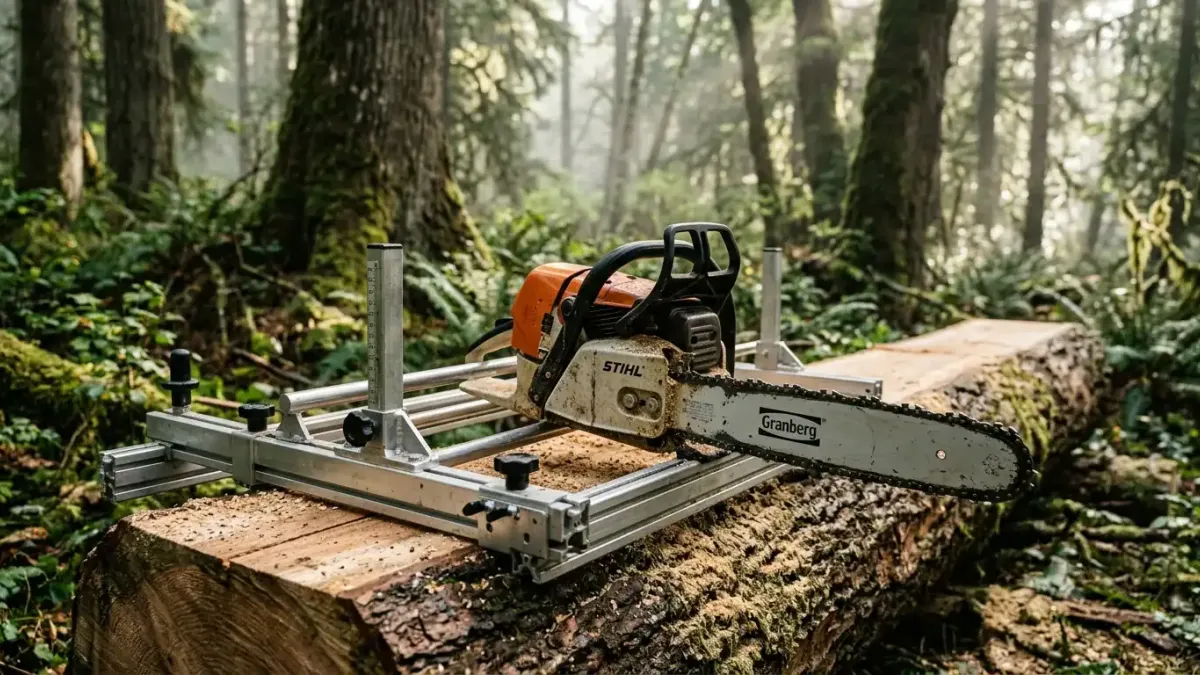
Granberg G777 Alaskan Small Log Mill, 16 to 20 Inch Chainsaw Bar Attachment

Have you ever looked at a fallen log and wished you could turn it into usable lumber? With a portable chainsaw Mill, you absolutely can! An Alaskan Mill (a popular type of chainsaw mill) attaches directly to your chainsaw's guide bar, creating a stable, adjustable jig that allows you to make precise, straight cuts along the length of a log. This attachment essentially turns your chainsaw into a small, portable sawmill.
- How it Works: The mill clamps onto your guide bar, holding it at a fixed distance from a flat reference surface (like another 2x4 or a pre-made first cut). You then push the chainsaw along the log, slicing off planks or beams.
- Ideal User: Landowners, DIY builders, woodworkers, and anyone with access to timber who wants to mill their own lumber for fences, sheds, furniture, or even log cabin construction.
- Requirements: You'll need a powerful chainsaw, generally 50cc or more, with a guide bar length appropriate for the diameter of the logs you plan to mill. A 20-inch bar is a good starting point for smaller logs, but 24-inch to 36-inch bars are common for serious milling. Use a dedicated ripping chain (often called a "full-chisel" or "skip-tooth" chain ground at a 10-degree angle) for smoother, more efficient cuts.
- Benefits: Cost-effective lumber production, recycling fallen trees, creative woodworking possibilities.
2. Chainsaw Debarkers / Log Peelers
Preparing logs for construction, fencing, or rustic furniture often involves removing the bark. Doing this manually is back-breaking work, but a chainsaw debarker makes the job incredibly fast and efficient. This attachment uses your chainsaw's power to spin a rotating drum with sharp blades, quickly stripping bark from logs.
Log Wizard Chainsaw Debarker Tree Bark RemovaL Tool | Universal Debarking Tool for Logs with Case

- How it Works: The debarker unit typically replaces your chainsaw's guide bar and chain. The chainsaw engine powers a gearbox that spins a drum fitted with carbide-tipped or steel blades. You simply guide the spinning drum along the log's surface, and it shaves off the bark.
- Ideal User: Log cabin builders, fence post makers, firewood processors looking for cleaner wood, and artisans working with natural timber.
- Requirements: Most debarkers are designed to fit a wide range of chainsaws, often requiring specific mounting brackets for different brands and models. A chainsaw in the 40cc to 60cc range is usually sufficient.
- Benefits: Significantly reduces debarking time and effort, creates clean logs ready for further processing or finishing, extends the life of firewood by removing bark where pests often hide.
3. Chainsaw-Powered Winches
Picture this: you've just felled a large tree, but it's in an awkward spot, or you need to pull it up a slope. Manually dragging heavy logs is nearly impossible. This is where a chainsaw-powered winch becomes an invaluable asset. These ingenious devices harness the power of your chainsaw's engine to provide serious pulling force.
- How it Works: The winch unit typically replaces your chainsaw's guide bar and chain. The engine's power is transferred to a drum that spools a cable, providing a powerful pulling mechanism. Some models allow you to keep the bar and chain attached for dual functionality.
- Ideal User: Loggers, landowners moving heavy logs, hunters retrieving game, off-road enthusiasts needing to pull vehicles, or anyone needing portable pulling power in remote locations.
- Requirements: Compatibility varies by winch model; ensure it fits your chainsaw's make and model. Chainsaws with engines in the 50cc to 80cc range are often ideal for providing ample power for significant pulling tasks.
- Benefits: Excellent portability for remote work, immense pulling power for heavy objects (often thousands of pounds), safer than manual dragging, versatile for various outdoor tasks.
Important Considerations Before Buying
Lewis Chainsaw Winch Model 400

While these attachments offer incredible versatility, it's crucial to consider a few factors before making a purchase:
- Chainsaw Compatibility: Always check if the attachment is compatible with your specific chainsaw make and model. Adapters may be required.
- Engine Power: Ensure your chainsaw has enough power (cc rating) to efficiently run the attachment. Underpowered saws will struggle and wear out faster.
- Safety: Using attachments changes the dynamics of your chainsaw. Always read the attachment's manual, wear appropriate Personal Protective Equipment (PPE), and understand the new safety considerations.
- Cost vs. Dedicated Tool: While attachments save money over buying a dedicated machine, evaluate if your usage warrants the investment or if renting a specialized tool is more practical for a one-off project.
- Ease of Setup: Some attachments are quicker to install than others. Consider how frequently you'll switch between tasks.
Conclusion
Your chainsaw is a powerful tool, and with the right attachments, its potential extends far beyond basic limbing and bucking. Portable mills, debarkers, and winches are just a few examples of how you can boost your chainsaw's versatility, saving you time, effort, and money on various outdoor projects. Always prioritize safety, choose attachments compatible with your chainsaw's power, and you'll be amazed at what your trusty saw can help you accomplish!
Looking for the Right Gear?
Check out our verified Top Professional Chainsaws & Safety Gear Essentials on Amazon.
As an Amazon Associate, we earn from qualifying purchases.