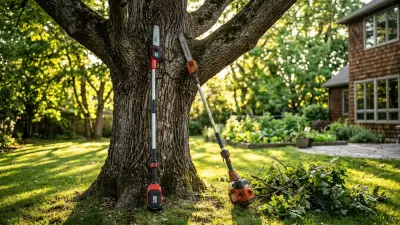
Quick answer: The overall best electric pole saw for most homeowners is the EGO Power+ MPS1001 (10-inch bar, 56V) for its fast chain speed, superb battery efficiency, and rigid carbon-fiber shaft. If you are on a budget and working within 100 feet of an outlet, the corded Sun Joe SWJ800E (8-inch bar, 6.5 Amp) offers unbeatable value and continuous cutting performance without battery management hassle.
Choosing Between Cordless and Corded Electric Pole Saws
Deciding between a cordless (battery-powered) and a corded electric pole saw depends entirely on your property layout, budget, and physical stamina. Cordless models rely on high-capacity lithium-ion battery packs, typically ranging from 20V to 56V. They eliminate tangled cords and allow you to wander freely across large properties, making them ideal for fence lines, orchard maintenance, and long driveways. However, the battery adds weight at the handle end, and runtimes generally top out at 40 to 80 cuts per charge when slicing through 4-inch hardwood limbs.
Corded pole saws, on the other hand, plug directly into a standard 120V household outlet using a heavy-duty extension cord. Because they lack a heavy lithium-ion battery pack, corded saws are generally lighter, more compact, and significantly less expensive. They provide steady, non-stop power as long as you keep the trigger squeezed, making them ideal for heavy backyard clear-outs. The obvious drawback is range: you are limited to a maximum distance of 100 feet from your electrical outlet, as voltage drops over longer extension cords can heat up and ruin the electric motor.
When evaluating motor design, brushless motors are superior to brushed motors in almost every metric. Brushless designs deliver up to 30% more torque, run cooler, and extend total battery runtime. While brushed motors lower the initial retail cost of budget pole saws, they wear out faster under heavy load. If you plan to clear oak, maple, or dense pine limbs larger than 3 inches in diameter, investing in a brushless motor platform will prevent thermal overload and keep your chain speed high enough to prevent violent kickback.
Best Electric Pole Saw Top Picks of 2024
To help you select the ideal tool for your seasonal tree maintenance, we evaluated current market leaders based on cutting speed, shaft rigidity, weight distribution, and real-world durability. Below is a detailed side-by-side comparison of the top cordless and corded models currently available.
| Model | Power System | Bar Length | Max Reach | Weight | Best For |
|---|---|---|---|---|---|
| EGO Power+ MPS1001 | 56V Cordless (Lithium) | 10 Inches | 13 Feet | 12.8 lbs | Heavy-duty residential pruning |
| Milwaukee M18 FUEL (2825-21PS) | 18V Cordless (Brushless) | 10 Inches | 13 Feet | 12.7 lbs | Commercial landscaping & trade users |
| Greenworks 40V (20672) | 40V Cordless (Lithium) | 8 Inches | 11 Feet | 8.4 lbs | Lightweight everyday home use |
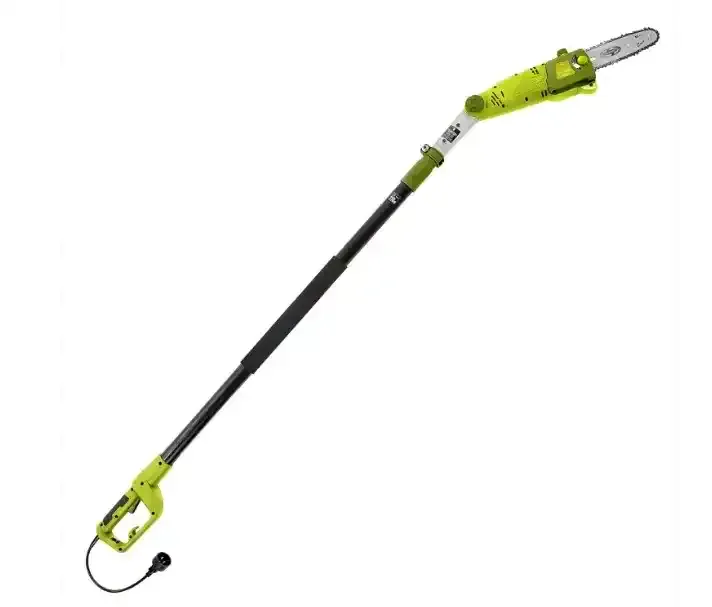
| Sun Joe SWJ800E | 6.5 Amp Corded (120V) | 8 Inches | 15 Feet | 7.7 lbs | Budget-conscious suburban yards |
| WORX WG309 | 8 Amp Corded (120V) | 10 Inches | 10 Feet | 10.0 lbs | Versatile 2-in-1 pole & chainsaw conversion |
Top Cordless Models Evaluated
The EGO Power+ MPS1001 sets the standard for battery performance. Featuring a 10-inch bar using a 3/8-inch low-profile (LP) pitch chain with a .043-inch gauge, this saw cuts through 6-inch oak limbs as quickly as a small gas engine. The commercial-grade carbon fiber shaft minimizes flexing when fully extended, ensuring precise cut placement without annoying pole sag.
For users already invested in professional tool ecosystems, the Milwaukee M18 FUEL Pole Saw delivers outstanding cutting torque. Driven by a POWERSTATE brushless motor, it reaches full throttle in under one second, reducing the chance of pinched bars. Meanwhile, the Greenworks 40V 8-Inch Pole Saw remains the top choice for seniors or homeowners seeking a lightweight, easy-to-maneuver option that cuts clean without causing shoulder fatigue.
Top Corded Models Evaluated
The Sun Joe SWJ800E is the undisputed champion of low-cost limb maintenance. Drawing 6.5 Amps, it turns an 8-inch Oregon bar and chain at an efficient RPM, cutting limbs up to 7.5 inches thick. Its telescoping pole extends effortlessly, granting up to 15 feet of total overhead reach depending on user height.
Another versatile contender is the WORX WG309. Powered by an 8-Amp motor, this tool features an innovative tool-less handle detachment system that transforms the pole saw into a compact handheld electric chainsaw in seconds. This dual functionality allows you to cut fallen limbs down to firewood size right on the ground without switching tools.
Essential Features, Cutting Mechanics, and Chain Specs
Understanding pole saw hardware specs ensures you pair the right tool to your workload. electric pole saws generally utilize a 3/8-inch Low-Profile (LP) chain pitch paired with a .043-inch or .050-inch chain gauge. This narrow kerf design requires less horsepower from the motor, conserving battery juice while generating clean cuts that heal quickly on live trees. Bar lengths usually range from 8 inches to 10 inches; an 8-inch bar handles branches up to 6 inches thick comfortably, whereas a 10-inch bar gives you the clearance needed for larger hardwood limbs.
Pro tip: Chain stretch happens rapidly on new pole saws during their first 15 minutes of operation. Always check and adjust chain tension after your first three cuts. A saggy chain off the guide bar grooves can bind easily at height or jump off the bar entirely, damaging the drive sprocket housing and scarring the tree bark.
Oil delivery systems are critical for guide bar longevity. Modern electric saws come with automatic bar and chain oilers that pull bar oil from an onboard reservoir whenever the motor trigger is engaged. Always use dedicated high-tack bar and chain oil rather than motor oil; proper chain lubricant clings to the fast-moving chain under centrifugal force, keeping operating temperatures low and preventing premature wear on the guide bar tracks.
Working overhead requires proper Personal Protective Equipment (PPE). Even though electric pole saws produce zero exhaust gas and lower noise levels than small chainsaw engines, falling debris and kickback present severe safety risks. Always wear an ANSI-approved hard hat with an integrated wire face screen, safety glasses, anti-vibration gloves, and heavy work boots. Reading up on general chainsaw safety practices will help protect you against dangerous overhead kickback zones.
Proper Overhead Cutting Techniques for Safety
To cut overhead limbs safely without damaging the tree or getting your saw stuck, always use the three-cut method on any branch thicker than 2 inches. The initial cut is an undercut (notch cut) placed roughly 6 to 12 inches out from the branch collar on the underside of the limb. Cut upward until you penetrate roughly one-third of the branch thickness. This prevents heavy branches from stripping the bark down the main tree trunk as they fall.
The second cut is the top drop cut, executed 2 to 3 inches further out along the branch past your undercut. Cut downward from the top side of the limb. As the bar cuts deeper, the limb's weight will cause it to snap cleanly right at the undercut line, dropping the long branch safely to the ground without ripping host tissue. The final cut is a clean finish cut made just outside the branch bark collar, allowing the tree to heal over naturally without leaving an ugly, disease-prone stub.
Never stand directly underneath the branch you are trimming. Position yourself off to the side at a 45-degree angle to the cut, keeping both hands firmly on the pole grips. Hold the saw at a maximum angle of 60 degrees relative to the ground—holding a pole saw completely vertical overhead severely limits your reaction speed and puts your face directly in the path of falling wood and flying sawdust.
Maintenance and Seasonal Storage Tips
Consistent maintenance ensures your electric pole saw stays sharp and reliable season after season. After every pruning session, wipe down the housing, clear packed sawdust out from under the drive sprocket cover, and check the oil reservoir level. Pitch and sticky tree sap accumulate quickly on the cutting chain; clean your chain using a mild solvent or sap remover to keep the cutter edges from dulling prematurely.
Before storing your saw for the winter, drain the bar oil reservoir completely. Temperature shifts in a garage or shed can cause oil tanks to expand, causing oil leaks on your storage shelves. If you use a cordless battery platform, remove the battery and store it at roughly 50% charge in a climate-controlled room between 50°F and 70°F. Never store lithium-ion batteries long-term completely drained or exposed to freezing temperatures, as this permanently reduces cell capacity.
Keep your cutting teeth sharp using a matching round file (typically 5/32-inch diameter for 3/8" LP chain). Touch up each cutter at a 30-degree angle every two to three battery charges. A sharp chain pulls itself into the wood effortlessly under light pressure. If you find yourself forcing the bar down into the cut or seeing fine wooden dust instead of thick wood chips, stop cutting immediately and sharpen or swap out the chain.
Which Pole Saw Should You Buy?
If you own a typical suburban lot with outlets within reach and only prune trees once or twice a year, buy a corded electric model like the Sun Joe SWJ800E—it delivers reliable power with zero battery maintenance at an affordable price point. If your property spans across a quarter-acre or more, or if you already own compatible outdoor power equipment batteries, invest in a brushless battery platform like the EGO Power+ 56V or Milwaukee M18 FUEL. Pair your saw with a sharp low-profile chain, wear full eye and head protection, and practice the three-cut method to keep your trees healthy and your yard looking great year-round.
Frequently Asked Questions
Can I use motor oil instead of bar and chain oil in an electric pole saw?
No, motor oil is too thin and lacks the tacky additives needed to cling to a high-speed chain. Using standard motor oil results in fluid slinging off the chain tip, leaving the guide bar dry and causing premature heat warping or chain failure.
How thick of a branch can an electric pole saw cut?
As a rule of thumb, an electric pole saw can cleanly cut limbs up to 2 inches smaller than its guide bar length. An 8-inch bar handles 6-inch branches easily, while a 10-inch bar can tackle branches up to 8 inches in diameter using proper multi-cut techniques.
Why does my pole saw chain keep coming loose while cutting?
New chains naturally stretch as friction generates heat during early operation. Additionally, user error during chain tensioning—such as failing to elevate the bar nose while tightening the bar nuts—causes the bar to shift during cutting, which loosens chain tension quickly.
How long do cordless pole saw batteries last per charge?
Runtime depends on wood density, branch diameter, and battery amp-hour (Ah) rating. A standard 2.5Ah to 5.0Ah lithium-ion battery typically delivers between 50 and 100 continuous cuts on 3-inch pine or oak limbs, providing ample work time for average homeowner jobs.
Sources
- American National Standards Institute (ANSI) B175.1 - Safety Requirements for Cut-Off Machines and Saws
- Occupational Safety and Health Administration (OSHA) - Tree Care and Trimming Safety Operations
- EGO Power+ Technical Data Sheets - Commercial & Residential Battery Pole Saws
- Oregon Tool Maintenance Guide - Guide Bar & Saw chain maintenance Specifications