



As a seasoned arborist and outdoor power equipment specialist, I’ve handled countless chainsaws and pole saws over the years. STIHL consistently stands out as a brand known for its robust and reliable tools. Whether you’re a homeowner tackling overgrown branches, a landowner managing your property, or a professional arborist, a STIHL pole saw is an invaluable addition to your arsenal. However, one of the most common questions I hear from users, particularly those new to the STIHL family or upgrading their equipment, is: “Are STIHL pole saws gas and oil mix?”
Table Of Content
- Understanding STIHL Pole Saw Power Sources: Not All Are Alike
- The Workhorse: Gas-Powered STIHL Pole Saws (2-Stroke Engines)
- The Convenient Option: Corded Electric STIHL Pole Saws
- The Modern Solution: Battery-Powered STIHL Pole Saws
- The Critical Mix: Demystifying Gas and Oil for Your STIHL
- Why 2-Stroke Engines Demand a Specific Fuel Blend
- The Golden Ratio: STIHL’s Recommended 50:1 Blend
- Step-by-Step: Mixing Your Fuel Safely and Correctly
- Beyond the Mix: Fuel Quality, Storage, and Common Pitfalls
- The Importance of Fresh, High-Quality Fuel and Oil
- Fuel Storage: Keeping Your Mix Potent
- Avoiding Common Fueling Mistakes
- Maintaining Your Gas-Powered STIHL Pole Saw for Peak Performance
- Regular Checks and Service Intervals
- The Synergy of Fuel and Maintenance
- A Personal Anecdote: The Cost of Neglect
The simple answer is: it depends entirely on the specific model you own. STIHL offers a diverse range of pole saws, each designed with different power sources to meet various needs. Understanding these distinctions is crucial, not just for proper operation but for the longevity and health of your equipment. Using the wrong fuel or neglecting the correct mixture can lead to costly damage and significantly shorten your pole saw’s lifespan. In this comprehensive guide, we’ll dive deep into STIHL pole saw fuel requirements, ensuring you have all the knowledge to keep your tool running smoothly and safely.
Understanding STIHL Pole Saw Power Sources: Not All Are Alike
Before we talk about fuel, it’s essential to recognize that STIHL’s pole saw lineup isn’t a one-size-fits-all situation when it comes to power. They’ve engineered solutions for every user and every job, from light residential trimming to heavy-duty professional applications. Each power source dictates its unique fueling or charging requirements, and knowing yours is the first step toward proper care.
The Workhorse: Gas-Powered STIHL Pole Saws (2-Stroke Engines)
When most people think of a powerful pole saw, they envision a gas-powered model. These are the tools that truly embody the “gas and oil mix” requirement. STIHL’s gas pole saws are equipped with high-performance 2-stroke engines, renowned for their power-to-weight ratio and ability to tackle challenging cutting tasks in remote locations where electricity isn’t an option. Models like the STIHL HT 103 or the more powerful HT 135 are prime examples, offering significant reach—often up to 13 feet or more—and the torque needed to cut through thicker branches with ease.
Because these engines operate on a 2-stroke cycle, they do not have a separate oil sump like a car engine. Instead, the lubricating oil must be pre-mixed with the gasoline, ensuring that every moving part inside the engine, from the piston to the crankshaft, receives lubrication as the fuel-air mixture passes through. This design is what makes them lightweight and powerful, but it also means that the correct fuel mixture is absolutely non-negotiable. Without that vital oil, internal components would quickly overheat, seize, and lead to catastrophic engine failure within minutes.
The Convenient Option: Corded Electric STIHL Pole Saws
For homeowners with smaller yards and accessible power outlets, corded electric pole saws offer a convenient and straightforward solution. These models, while less common in the pole saw category compared to their handheld electric chainsaw counterparts, eliminate the need for any fuel mixing whatsoever. You simply plug them into a standard electrical outlet, and you’re ready to go. They produce zero emissions during operation, are generally quieter than gas models, and require minimal maintenance related to their power source.
Corded electric pole saws are ideal for light to medium-duty trimming around the house, such as pruning ornamental trees or clearing low-hanging branches near a power source. Their main limitation is, of course, the power cord, which restricts your working range and can pose a tripping hazard if not managed carefully. While STIHL’s primary pole saw offerings lean towards gas and battery, some markets may offer electric options or attachments that run on direct electricity.
The Modern Solution: Battery-Powered STIHL Pole Saws
Battery technology has revolutionized outdoor power equipment, and STIHL is at the forefront with an impressive line of cordless battery-powered pole saws. These tools, like the STIHL HTA 86 or the professional-grade HTA 135, are powered by rechargeable lithium-ion batteries. This means no gas, no oil mix, and no power cords. They offer incredible portability, are exceptionally quiet, produce no exhaust emissions, and require virtually no power-source related maintenance.
Battery pole saws are an excellent choice for a wide range of users, from environmentally conscious homeowners to professionals working in noise-sensitive areas. They provide instant starts, consistent power delivery, and impressive runtimes, often ranging from 30 minutes to over an hour depending on the battery capacity and cutting intensity. While you won’t be mixing fuel, you will need to manage battery charging and understand the different battery systems STIHL offers (e.g., AK Series for homeowners, AP Series for professionals) to ensure compatibility and optimal performance. For these models, the question of “gas and oil mix” simply doesn’t apply.

The Critical Mix: Demystifying Gas and Oil for Your STIHL
If your STIHL pole saw is a gas-powered model, then understanding the “gas and oil mix” is not just important – it’s absolutely critical. This isn’t just about getting your saw to run; it’s about safeguarding its engine from irreparable damage. Think of it as the lifeblood of your 2-stroke machine.
Why 2-Stroke Engines Demand a Specific Fuel Blend
Unlike 4-stroke engines (found in most cars or larger lawnmowers) which have a dedicated crankcase for lubricating oil, 2-stroke engines are designed for simplicity and power-to-weight. In a 2-stroke engine, the fuel mixture itself serves as the lubricant. As the gasoline and oil mixture is drawn into the crankcase and then into the combustion chamber, the oil separates and coats critical moving parts like the piston, cylinder walls, and crankshaft bearings. This process prevents friction, reduces wear, and helps dissipate heat. Without the oil in the mix, these components would rapidly grind against each other, leading to extreme heat buildup, metal fatigue, and almost immediate seizure of the engine.
It’s a delicate balance, and any deviation from the recommended blend can have serious consequences. Too little oil, and lubrication is insufficient, leading to overheating and premature wear. Too much oil, and you risk excessive smoke, carbon buildup on the spark plug and exhaust port, reduced power, and eventually engine damage. This is why adherence to STIHL’s specifications is paramount for the health and longevity of your pole saw’s engine.
The Golden Ratio: STIHL’s Recommended 50:1 Blend
For virtually all modern STIHL gas-powered pole saws, the recommended fuel-to-oil mix ratio is 50:1. This means you need 50 parts gasoline for every 1 part of 2-stroke engine oil. This specific ratio has been meticulously engineered by STIHL to provide optimal lubrication, cooling, and combustion for their engines.
- For 1 gallon of gasoline: You will need 2.6 fluid ounces of STIHL 2-stroke engine oil.
- For 2.5 gallons of gasoline: You will need 6.4 fluid ounces of STIHL 2-stroke engine oil.
When it comes to gasoline, always use fresh, high-quality unleaded gasoline with an octane rating of 89 or higher. I always recommend using ethanol-free gasoline if available, as ethanol can attract moisture and degrade fuel lines and rubber components over time, especially in small engines. As for the oil, STIHL strongly recommends using their own brand of 2-stroke oil, specifically STIHL HP Ultra synthetic engine oil. This oil is formulated with advanced additives designed to protect STIHL engines, reduce smoke, minimize carbon deposits, and ensure peak performance.
A Quick Note on Older Models: While 50:1 is standard for most current STIHL tools, some very old STIHL models might have required a 40:1 ratio. It is absolutely crucial to consult your specific pole saw’s owner’s manual to confirm the exact recommended ratio. Never guess; your manual is your ultimate authority.
Step-by-Step: Mixing Your Fuel Safely and Correctly
Mixing fuel for your STIHL pole saw isn’t complicated, but it requires precision and adherence to safety protocols. Here’s how to do it right:
- Gather Your Supplies: You’ll need fresh, high-quality gasoline (89+ octane, preferably ethanol-free), STIHL HP Ultra 2-stroke oil, and a dedicated, clean, approved fuel container (plastic or metal, clearly marked for mixed fuel). Do NOT use your car’s gas can for mixed fuel without thorough cleaning, and certainly not the one for straight gas.
- Measure Accurately: Using a measuring cup specifically designed for 2-stroke oil, carefully measure the exact amount of STIHL oil required for your volume of gasoline (e.g., 2.6 oz for 1 gallon of gas). Precision here is key.
- Add Oil to Gas: Pour the measured 2-stroke oil into your approved fuel container first. This allows the incoming gasoline to help mix the oil as it’s poured in.
- Add Gasoline: Slowly and carefully pour the fresh gasoline into the container with the oil. Fill to your desired volume.
- Secure and Shake: Tightly seal the fuel container with its cap. Vigorously shake the container for at least 30 seconds to ensure the oil and gasoline are thoroughly mixed. You want a uniform blend, not layers.
- Label Your Can: This is a step often overlooked but vitally important. Use a permanent marker to clearly label the fuel can with the mix ratio (e.g., “50:1 STIHL Mix”) and the date it was mixed. This prevents accidental use of straight gas or old, degraded fuel.
- Store Safely: Store your mixed fuel in a cool, dry, well-ventilated area, away from direct sunlight, heat sources, and open flames. Keep it out of reach of children and pets.
Always mix fuel outdoors or in a very well-ventilated area. Never smoke or use open flames near fuel. Wear appropriate safety gear, including gloves and eye protection. It’s also a good practice to avoid mixing more fuel than you anticipate using within a month or two, as even properly mixed fuel has a limited shelf life.
Beyond the Mix: Fuel Quality, Storage, and Common Pitfalls
Getting the mix right is fundamental, but your responsibility doesn’t end there. The quality of your components, how you store your mixed fuel, and awareness of common fueling mistakes are equally important for ensuring your STIHL pole saw performs reliably year after year. As someone who’s seen the aftermath of improper fueling, trust me when I say these details matter immensely.
The Importance of Fresh, High-Quality Fuel and Oil
You wouldn’t put cheap, stale ingredients into a gourmet meal, so why would you do that to your pole saw’s engine? Fresh fuel is paramount. Gasoline begins to degrade surprisingly quickly, often within 30 days, especially if it contains ethanol. Ethanol in particular can absorb moisture from the air, leading to water contamination in your fuel. This “stale” or “phase-separated” fuel can cause hard starting, rough idling, reduced power, and long-term damage to fuel system components like carburetors, fuel lines, and filters.
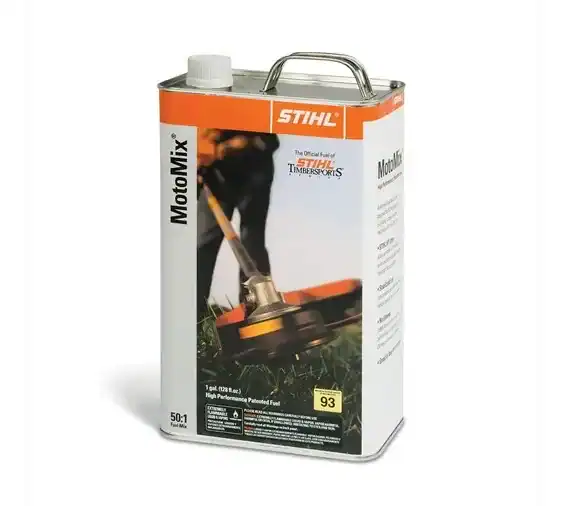
This is why I always advocate for using ethanol-free gasoline whenever possible. If ethanol-free gas isn’t available, using a high-quality fuel stabilizer, like STIHL’s own MotoMix (a pre-mixed, ethanol-free fuel) or a good quality stabilizer added to your regular gasoline, can extend the life of your mixed fuel. As for the oil, STIHL HP Ultra is specifically engineered for their engines. It contains detergents to prevent carbon buildup, anti-corrosion agents, and high-quality lubricants that outperform generic 2-stroke oils. While other premium synthetic 2-stroke oils from reputable brands like Husqvarna XP+ or Echo Power Blend can be acceptable in a pinch, sticking with STIHL’s recommended oil guarantees optimal performance and warranty compliance.
Fuel Storage: Keeping Your Mix Potent
Once you’ve carefully mixed your fuel, proper storage is the next step to maintaining its potency. Mixed fuel has a finite shelf life. Generally, a fresh 50:1 mix using quality gasoline and STIHL oil should be used within 30-60 days. Beyond this period, the fuel can start to degrade, lose its octane, and separate, potentially causing engine issues. This is why labeling your fuel can with the mixing date is so important—it gives you a clear indication of its age.
Always store mixed fuel in a cool, dry, well-ventilated area, out of direct sunlight. Extreme temperatures can accelerate fuel degradation. Never store fuel inside your home or near appliances with pilot lights. For long-term storage of your pole saw (e.g., over winter), it’s best practice to drain the fuel tank completely and then run the engine until it starves of fuel. This ensures there’s no old fuel left in the carburetor or fuel lines that could gum up and cause problems when you try to start it next season. Alternatively, you can run the saw on a can of pre-mixed, ethanol-free fuel like STIHL MotoMix for the last few minutes of operation before storage, as these fuels have a much longer shelf life (up to 2 years after opening).
Avoiding Common Fueling Mistakes
Even experienced users can make simple mistakes with serious consequences. Here are some of the most common fueling errors to avoid:
- Using Straight Gasoline: This is the most destructive mistake. As explained, a 2-stroke engine requires oil in the fuel for lubrication. Running it on straight gasoline will cause the engine to seize and fail almost instantly, requiring a costly engine rebuild or replacement. Always double-check your fuel can!
- Incorrect Oil Type: Never use 4-stroke motor oil (like car oil) in your 2-stroke engine. These oils are not designed to mix with gasoline or burn cleanly in a 2-stroke combustion cycle. They can lead to excessive smoke, carbon buildup, and inadequate lubrication.
- Wrong Mix Ratio: Mixing too lean (not enough oil) results in insufficient lubrication and overheating. Mixing too rich (too much oil) can lead to excessive smoke, spark plug fouling, carbon deposits, and reduced power. Stick to the 50:1 ratio.
- Old or Contaminated Fuel: Using old, stale, or water-contaminated fuel will cause difficult starting, rough running, and potential damage to the fuel system and engine. Always use fresh fuel.
- Filling in an Unventilated Area: Fumes from gasoline are flammable and harmful to inhale. Always refuel outdoors or in a very well-ventilated space.
By being diligent about your fuel selection, mixing, and storage, you’re not just preventing breakdowns; you’re actively ensuring your STIHL pole saw delivers reliable performance every time you pull the starter cord.
Maintaining Your Gas-Powered STIHL Pole Saw for Peak Performance
The right fuel mix is the heart of your gas-powered STIHL pole saw, but proper maintenance is the body that keeps it all working together. Neglecting routine upkeep, even with perfectly mixed fuel, can lead to reduced efficiency, increased wear, and premature failure. Think of it as a finely tuned machine that needs regular attention to stay in top shape, much like a good athlete.
Regular Checks and Service Intervals
A well-maintained pole saw is a safe and efficient pole saw. Here’s a breakdown of essential maintenance tasks and their general intervals:
- Air Filter: Clean the air filter frequently, ideally after every 5-10 hours of operation or after any particularly dusty job. A clogged air filter restricts airflow, causing the engine to run rich, lose power, and potentially overheat. Replace a damaged or heavily soiled filter annually or as needed.
- Spark Plug: Inspect the spark plug annually or every 25 hours. Look for signs of carbon buildup, electrode wear, or damage. Clean off any deposits or replace it if it looks worn. A clean, properly gapped spark plug ensures efficient ignition.
- Fuel Filter: The fuel filter is inside the fuel tank and prevents debris from reaching the carburetor. Check it periodically (e.g., every 50 hours or annually) and replace it if it’s dirty or clogged. A restricted fuel filter can starve the engine of fuel, causing performance issues.
- Chain and Guide Bar: This is critical for any saw. Always ensure your chain is sharp and properly tensioned before each use. Sharpen dull teeth, check for burrs on the guide bar rails, and lubricate the bar’s sprocket nose (if applicable). Flip your guide bar regularly to ensure even wear on both sides, extending its lifespan. Maintain proper chain tension to prevent derailments and kickback.
- Gearbox Lubrication: Pole saws have a gearbox at the cutting head that transfers power from the shaft to the chain. This gearbox requires periodic greasing with a specialized high-temperature grease. Consult your manual for the type of grease and the recommended interval, usually every 25-50 hours of operation.
- General Cleaning: After each use, clean off sawdust, sap, and debris from the engine fins, air intake, and around the chain and bar. This prevents overheating and ensures all components can operate freely.
The Synergy of Fuel and Maintenance
Proper fueling and diligent maintenance work hand-in-hand to ensure your STIHL pole saw’s longevity and performance. Using the correct 50:1 gas and oil mix with fresh, high-quality fuel significantly reduces carbon buildup, prolongs spark plug life, and keeps your fuel system cleaner. This, in turn, lessens the frequency of certain maintenance tasks and makes others easier. For example, a cleaner-burning fuel mix means less carbon on the spark plug and exhaust port, saving you time on cleaning.
STIHL offers convenient maintenance kits tailored to specific models, which often include a new air filter, fuel filter, and spark plug. These kits make it easy to perform routine annual service, ensuring you have the correct, genuine STIHL parts for your machine. Investing a little time in maintenance today will save you significant headaches and expenses down the road.
A Personal Anecdote: The Cost of Neglect
I once had a client bring in a relatively new STIHL pole saw that was completely seized. They were furious, claiming it was a faulty machine. Upon inspection, it was clear the problem wasn’t a defect but rather improper fueling. The owner, trying to save a few dollars, had used a cheap, generic 2-stroke oil at an incorrect ratio and with stale, ethanol-heavy gasoline. The engine was completely gunked up with carbon deposits and the piston scored from lack of lubrication. The repair bill was nearly the cost of a new pole saw, a stark reminder that cutting corners on fuel and basic maintenance is a false economy. Your STIHL pole saw is an investment; treat it like one, and it will serve you faithfully for years.
So, whether your STIHL pole saw hums with the precise blend of gas and oil, or silently powers through tasks with a battery, understanding its specific needs is paramount. For the gas models, remember the 50:1 mix is non-negotiable, and combining it with fresh fuel and diligent maintenance is the blueprint for a long, productive life for your trusted outdoor companion. Don’t just operate your pole saw; truly understand and care for it.