Disclosure: As an Amazon Associate, we earn from qualifying purchases.
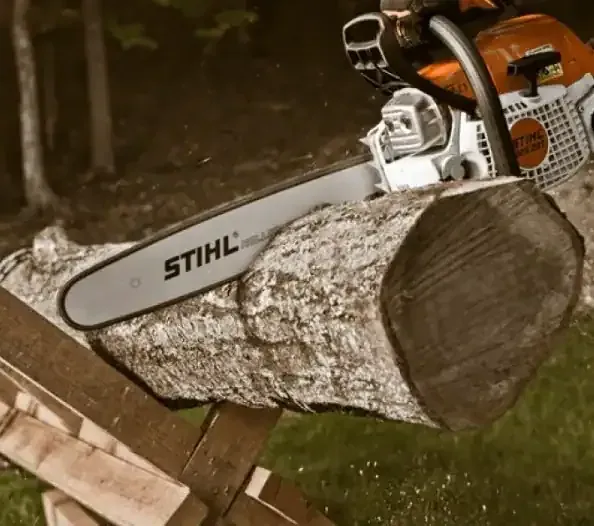
For decades, loggers, arborists, and property owners have relied on Stihl chainsaws to handle demanding timber cutting tasks. As modern saws incorporate advanced electronics and strict emissions controls, many power equipment users find themselves looking back at older, legendary Stihl models like the 026, 034, 044, and 066. These vintage workhorses earned a reputation for indestructible magnesium crankcases, simple adjustable carburetors, and high power-to-weight ratios that still hold their ground against current production machines. However, purchasing and maintaining an older saw in today's market comes with specific trade-offs regarding safety, parts availability, and overall mechanical condition.Quick answer: Yes, older model Stihl chainsaws are still highly worth using if you prefer mechanical simplicity, high torque, and durable magnesium construction, provided you verify parts availability and inspect key safety components like the chain brake before buying.
The Evolution of Stihl Chainsaws: Old '0-Series' vs. Modern 'MS-Series'
Understanding the value of vintage stihl chainsaws requires looking at how model naming and engineering shifted over the past four decades. Prior to 2000, Stihl designated its chainsaw lineup using a three-digit convention starting with a zero, commonly referred to as the 0-Series. Legendary models like the 026, 036, 044, and 066 set industry benchmarks for professional forestry work. Around the turn of the century, Stihl transitioned to the "MS" prefix—short for MotorSäge, German for motor saw—re-labeling classic platforms like the 026 into the MS 260 and the 066 into the MS 660.
The engineering philosophy behind older Stihl models focused heavily on robust mechanical components rather than electronic management. Older saws utilize die-cast magnesium crankcases, dual-ring pistons, and traditional all-metal Walbro, Zama, or Tillotson carburetors with manual high- and low-speed adjustment screws. Modern saws, by contrast, frequently incorporate polymer engine shrouds, electronic fuel management systems such as Stihl's M-Tronic, and stratified charge two-stroke engines designed to meet modern EPA and EU emissions standards. While modern saws offer lower exhaust emissions and automatic tuning, older models excel in raw throttle response and straightforward field serviceability.
For DIY mechanics and landowners who prefer working on their own outdoor equipment, older Stihl saws represent a manageable platform. Diagnosing a running issue on an 034 or 044 rarely requires specialized diagnostic software; a basic spark tester, compression gauge, and carburetor screwdriver are usually all you need to get a saw tuned and back into the wood.
Key Advantages of Using Older Model Stihl Chainsaws
The primary draw of vintage stihl chainsaws is their exceptional power-to-weight ratio combined with rugged construction. Models engineered in the late 1980s and 1990s were built without the weight penalties associated with early catalytic mufflers or additional electronic modules. A prime example is the Stihl 044, which delivers roughly 5.4 horsepower out of a 70.7 cc engine displacement while maintaining a dry powerhead weight of just under 13.5 pounds. This combination gives loggers and firewood cutters impressive cutting speed when running a 20-inch or 24-inch guide bar with a 3/8-inch pitch chain.
Another distinct advantage is long-term mechanical durability and simplicity. High-grade crankshaft main bearings, chrome-plated cylinder bores, and heavy-duty centrifugal clutches allow these engines to survive thousands of operating hours when run on a steady diet of 50:1 2-stroke fuel mix using quality synthetic oil. Unlike modern saws with auto-tuning carburetors that can suffer electronic module failures when exposed to extreme heat or moisture, older analog ignition systems and mechanical carburetors are inherently resilient.
Pro tip: When working with older Stihl chainsaws, always check the rubber fuel line and impulse hose before trying to tune the carburetor. Over time, ethanol-blended gas causes vintage rubber lines to soften or crack, creating a lean air leak that can quickly scorch a piston under heavy load.
Cost efficiency also plays a major role in the appeal of older Stihl saws. A brand-new pro-grade 70cc chainsaw can easily exceed $1,100, whereas a clean, well-cared-for Stihl 044 or early MS 440 can often be acquired on the used market for half that price. Because these saws retain high resale value, buying a well-maintained vintage model is frequently a smarter financial investment than purchasing a brand-new, plastic-bodied entry-level homeowner saw.
Comparing Iconic Older Stihl Chainsaws: Specs and Performance
To choose the right older Stihl model for your land maintenance or firewood production needs, it helps to compare the exact specifications of the most celebrated saws in the vintage lineup. Below is an overview of three standout models ranging from mid-range firewood saws to heavy-duty felling saws:
| Model | Displacement (cc) | Power Output (hp / kW) | Powerhead Weight (lbs) | Recommended Bar Length | Standard Chain Pitch |
|---|---|---|---|---|---|
| Stihl 026 | 48.7 cc | 3.5 hp / 2.6 kW | 10.7 lbs | 16" – 20" | .325" (or 3/8" LP) |
| Stihl 044 | 70.7 cc | 5.4 hp / 4.0 kW | 13.2 lbs | 18" – 28" | 3/8" (.050" / .063" gauge) |
| Stihl 066 | 91.6 cc | 6.8 hp / 5.1 kW | 16.1 lbs | 20" – 36" | 3/8" or .404" |
Each of these saws caters to specific applications. The Stihl 026 is widely regarded as one of the best 50cc limbing and small firewood saws ever produced. Its light weight allows users to work all day with minimal fatigue while running a 16-inch or 18-inch bar. For larger hardwood timber, bucking heavy logs, or falling mature trees, the Stihl 044 represents the sweet spot in balance and power. Meanwhile, the 91.6 cc Stihl 066 remains a favorite among chainsaw mill operators and big-timber fallers who require raw torque for guide bars up to 36 inches in length.
Challenges, Maintenance, and Safety Considerations
While older Stihl chainsaws offer substantial performance, buyers must navigate several real-world maintenance and safety challenges. Wear items such as crankshaft oil seals, anti-vibration rubber mounts, intake boots, and oiler worm gears gradually degrade over time. Sourcing OEM (Original Equipment Manufacturer) parts for 30-year-old models can sometimes require searching through dedicated power equipment dealers or secondary markets, though popular models like the 026, 036, and 044 enjoy extensive aftermarket part support.
Cheap Fixes to Revive Your Classic STIHL: Rubber & Fuel Kits

Safety features require careful evaluation when using vintage machinery. Modern STIHL chainsaws feature advanced QuickStop inertia-activated chain brakes, ergonomic rear-hand guards, and improved anti-vibration springs. While most 0-Series professional saws include inertia chain brakes, very early vintage models or poorly maintained used saws may have worn brake bands or non-functional linkages. Operating a chainsaw without a fully functional chain brake significantly increases the risk of severe kickback injury.
To ensure safe operation and long engine life when using an older Stihl chainsaw, follow these practical maintenance steps before taking the saw into the woods:
- Perform a Compression Test: A healthy older Stihl engine should show a cold compression reading between 145 PSI and 170 PSI; readings below 120 PSI indicate worn piston rings or cylinder scoring.
- Inspect the Fuel System: Replace old rubber fuel lines, flush the fuel tank, install a fresh fuel filter, and rebuild the carburetor with fresh diaphragms to handle modern ethanol blends.
- Check Chain Brake Function: Test both manual engagement and inertia tripping of the chain brake mechanism prior to starting any cutting project.
- Verify Oiler Operation: Run the engine over a clean piece of wood or cardboard to confirm the automatic bar oiler is throwing a light mist of tackified bar and chain oil off the nose sprocket.
- Wear Proper Personal Protective Equipment (PPE): Always operate your saw while wearing cut-retardant chainsaw chaps, heavy leather boots, eye protection, ear defenders, and a protective helmet.
Final Recommendation for Buyers and Users
If you are a knowledgeable homeowner, landowner, or firewood cutter who does not mind performing routine maintenance, purchasing a clean, well-maintained older Stihl chainsaw like an 026 or 044 is an excellent decision that delivers professional cutting performance at a competitive price. Look for units with strong compression, intact safety guards, and original cylinder castings, and pair your saw with an 18-inch to 20-inch guide bar running 3/8-inch pitch, .050-inch or .063-inch gauge chain for optimal versatility. However, if you prefer instant turnkey reliability without mechanical troubleshooting, a brand-new Stihl MS-series saw backed by a manufacturer warranty may better suit your needs.
Frequently Asked Questions
What is the correct gas-to-oil fuel mixture for older Stihl chainsaws?
Older Stihl chainsaws should be operated on a 50:1 fuel mixture when using high-quality 2-stroke engine oil mixed with 89 octane or higher unleaded gasoline (equivalent to 2.6 oz of oil per gallon of gas). Using ethanol-free gasoline is strongly recommended to protect rubber fuel lines and carburetor diaphragms from premature degradation.
Can modern Stihl guide bars and chains fit on older 0-Series saws?
Yes, standard Stihl bar mounts (such as the 3003 series mount pattern used on pro models) have remained consistent across generations. As long as the bar tail mount, drive sprocket pitch (.325" or 3/8"), and chain gauge (.050" or .063") match your saw's drive sprocket, modern guide bars fit seamlessly on vintage powerheads.
Why are older Stihl models like the 044 so sought after by loggers?
The Stihl 044 is prized because it offers an ideal balance of high engine output (5.4 hp), light powerhead weight (13.2 lbs), and simple carburetor construction without complex electronic sensors. This allows loggers to make fast cuts on medium to large timber without excessive operator fatigue.
Sources
- STIHL Official Website & Technical Specifications
- Wikipedia - Stihl Corporate History and Equipment Lineage
- OSHA 1910.266 - Logging Operations and Equipment Safety Standards
Looking for the Right Gear?
Check out our verified Top Professional Chainsaws & Safety Gear Essentials on Amazon.
As an Amazon Associate, we earn from qualifying purchases.