
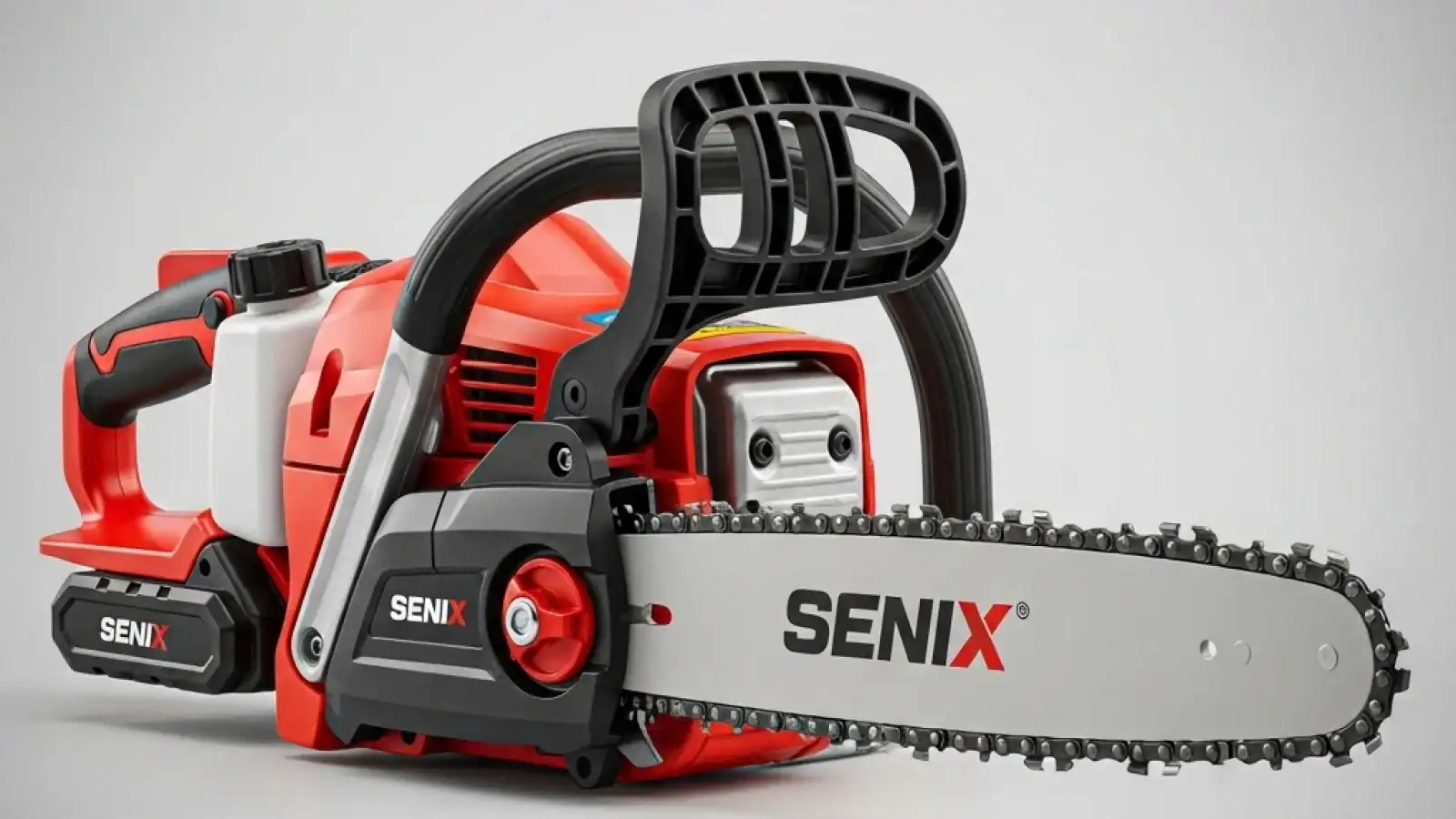

Senix Chainsaw: Your Trusted Guide to a Versatile Brand
As an experienced arborist and outdoor power equipment specialist, I’ve seen countless chainsaws come and go, each promising the moon. But every now and then, a brand emerges that carves out its own niche by genuinely addressing user needs. Senix is one such brand that has steadily gained traction, particularly among homeowners, DIY enthusiasts, and even some landowners looking for reliable, feature-rich equipment without breaking the bank. They’ve introduced some genuinely innovative approaches to chainsaw design, especially with their unique 4-stroke engine technology and robust battery-powered options.
Table Of Content
- Senix Chainsaw: Your Trusted Guide to a Versatile Brand
- Understanding Senix Chainsaws: An Expert Overview
- Who Makes Senix Chainsaws?
- Diving Deep into Senix Chainsaw Models & Technology
- Senix Gas-Powered Chainsaws: The 4-Stroke Advantage
- Senix Battery-Powered Chainsaws: Cordless Freedom
- Choosing Between Gas and Battery: A Practical Comparison
- Hands-On Reviews: What Users and Experts Say About Senix Performance
- Cutting Performance: Power Where It Counts
- Ergonomics and User Experience: Comfort and Control
- Durability and Build Quality: Built to Last?
- Essential Senix Chainsaw Parts: Maintenance and Replacements
- The Chainsaw Chain: The Heart of the Cut
- Guide Bars: Guiding Your Cut
- Batteries and Chargers: Powering Cordless Freedom
- Engine Components for Gas Models: Keeping the Heart Pumping
- Safety First: Operating Your Senix Chainsaw Responsibly
- Essential Personal Protective Equipment (PPE)
- Pre-Operation Checks and Safe Starting
- Proper Cutting Techniques and Stance
- Making the Right Choice: Is a Senix Chainsaw for You?
Whether you’re new to the world of chainsaws or a seasoned user curious about what Senix brings to the table, this comprehensive guide is designed to give you an insider’s perspective. We’ll cut through the noise to provide practical insights, honest reviews, and crucial information on parts and maintenance. By the end of this article, you’ll have a clear understanding of whether a Senix chainsaw is the right tool for your specific tasks, how to use it safely, and how to keep it running optimally for years to come.
Understanding Senix Chainsaws: An Expert Overview
Senix might not be the oldest name in the chainsaw game, but they’ve quickly established themselves with a clear philosophy: deliver innovative, durable, and user-friendly outdoor power equipment. Unlike some brands that focus solely on the professional market, Senix has consistently aimed to bridge the gap between heavy-duty commercial machines and entry-level consumer models, offering a compelling blend of power, efficiency, and accessibility.
Their product range spans across gas-powered and battery-powered models, each designed with specific user needs in mind. What truly sets Senix apart, especially in the gas-powered arena, is their commitment to 4-stroke engine technology. This is a significant departure from the traditional 2-stroke engines that dominate the chainsaw market and brings with it a host of benefits we’ll explore in detail. For those who prefer cordless convenience, their 60V battery platform offers impressive performance that rivals smaller gas models.
Who Makes Senix Chainsaws?
A common question I hear is, “Who actually makes Senix chainsaws?” Senix is a brand under the umbrella of SKIL Power Tools, which itself is part of the Chervon Group. Chervon is a global leader in power tools and outdoor power equipment, known for its extensive R&D and manufacturing capabilities. This affiliation means that Senix benefits from significant engineering expertise and quality control processes, allowing them to introduce advanced features like their signature 4-stroke engine and high-performance battery systems. This background contributes to their reputation for innovation and reliability in the homeowner and prosumer segments.
Diving Deep into Senix Chainsaw Models & Technology
When you look at the Senix lineup, you’re primarily choosing between two distinct power sources: gasoline and battery. Each has its advantages and is suited for different tasks and user preferences. Let’s break down what makes each type unique within the Senix family.
Senix Gas-Powered Chainsaws: The 4-Stroke Advantage
The SENIX Chainsaw 4 stroke technology is, without a doubt, a game-changer in the consumer chainsaw market. Most chainsaws, from the smallest homeowner models to the largest professional saws, utilize 2-stroke engines. While 2-strokes are powerful for their size, they require a specific oil-gas mix, produce more emissions, and can be quite noisy. Senix decided to challenge this norm.
A 4-stroke engine, like those found in most cars and lawnmowers, completes a power cycle in four piston strokes (intake, compression, power, exhaust) rather than two. The key benefit for chainsaw users is that you don’t have to mix oil and gas. You simply fill the gas tank with regular unleaded gasoline and the separate oil reservoir with engine oil, just like your car. This eliminates the common mistake of incorrect fuel mixtures, which can be fatal for a 2-stroke engine. Beyond convenience, 4-stroke engines typically run much cleaner, producing significantly fewer emissions, which is a big plus for environmental consciousness and your own lungs. They also tend to be quieter and vibrate less, making for a more comfortable user experience during extended cutting sessions.
From a maintenance perspective, the separate oil system provides better lubrication, which can contribute to a longer engine lifespan compared to a 2-stroke. However, 4-stroke engines are generally a bit heavier and more complex than 2-strokes of comparable power. Senix has worked hard to mitigate this weight difference through clever design. Their gas models often come with bar lengths in the 16-inch to 18-inch range, powered by engines typically around 40cc to 50cc. This power output is ideal for tasks like cutting firewood, felling small to medium-sized trees (up to 16-18 inches in diameter), and general property maintenance. For instance, their 18-inch 4-stroke model is often praised for its ability to handle seasoned hardwood logs with surprising ease, a testament to the consistent torque delivery of a 4-stroke engine.
Senix Battery-Powered Chainsaws: Cordless Freedom
For many homeowners, the thought of mixing fuel, dealing with pull-starts, and the roar of a gas engine is a deterrent. This is where Senix’s battery-powered lineup shines, particularly their SENIX 60V Chainsaw models. Operating on a robust 60-volt battery platform, these chainsaws offer impressive power and runtime, making them far more capable than the smaller 18V or 40V models found in some competitor lineups.
The advantages of a cordless chainsaw are numerous: instant starts with the press of a button, significantly quieter operation, zero exhaust emissions, and no maintenance related to fuel or spark plugs. This makes them perfect for suburban users, light-duty pruning, clearing storm debris, and occasional firewood cutting. Imagine trimming branches in your yard early in the morning without disturbing your neighbors – that’s the freedom a Senix 60V chainsaw provides. These models typically feature brushless motors, which are more efficient, run cooler, and provide longer tool life and better power delivery than brushed motors.
You’ll often find Senix 60V chainsaws paired with guide bars ranging from 12 inches to 16 inches. A 14-inch or 16-inch cordless model, for example, is perfectly capable of bucking logs up to 10-12 inches in diameter or felling small trees. The SENIX Chainsaw Battery itself is a high-capacity lithium-ion unit designed for demanding tasks. While runtime varies significantly based on the type of wood and cutting intensity, users often report being able to make dozens of cuts through 6-8 inch logs on a single charge with a 4.0Ah or 5.0Ah battery. Charging times are also reasonable, with fast chargers often topping up a battery in under an hour. These batteries are also compatible across other Senix 60V outdoor power equipment, adding to their overall value.
Choosing Between Gas and Battery: A Practical Comparison
So, which Senix chainsaw is right for you? It really boils down to your specific needs and typical tasks. Here’s a quick, actionable comparison:
- Power Output & Task Intensity:
- Gas (4-stroke): Generally offers higher, more consistent power and torque, making it better for sustained, heavy-duty tasks like felling larger trees (up to 18 inches) or processing large volumes of firewood. It won’t bog down as easily in dense hardwood.
- Battery (60V): Excellent for medium-duty tasks, light felling (up to 12-14 inches), limbing, pruning, and clearing brush. It excels in bursts of activity but might require battery swaps for very extended work.
- Maintenance & Convenience:
- Gas (4-stroke): Requires regular oil changes, spark plug checks, and air filter cleaning, similar to a lawnmower. No fuel mixing is a huge plus, but it’s still a combustion engine.
- Battery (60V): Minimal maintenance – mainly keeping the chain sharp and tensioned. Just charge the battery and go. No fuel storage or emissions.
- Noise & Emissions:
- Gas (4-stroke): Significantly quieter and cleaner than 2-stroke chainsaws, but still produces engine noise and exhaust. Hearing protection is always a must.
- Battery (60V): Very quiet, often only the sound of the chain cutting. Zero emissions, making it ideal for enclosed spaces (with proper ventilation) or areas with noise restrictions.
- Portability & Weight:
- Gas (4-stroke): Can be heavier due to the engine design and fuel tank.
- Battery (60V): Generally lighter and better balanced, especially for overhead work or extended use without fatigue. The weight is often concentrated in the battery pack.
My advice? If you routinely cut large amounts of firewood, tackle bigger felling jobs, or need sustained power for hours, a Senix 4-stroke gas chainsaw is likely your best bet. If your tasks are more intermittent, involve lighter cutting, or if quiet operation and zero emissions are paramount, the 60V battery model will serve you incredibly well.
Hands-On Reviews: What Users and Experts Say About Senix Performance
When you look past the specifications and delve into real-world use, a consistent picture emerges about Senix chainsaws. User feedback, combined with my own observations, paints a clear picture of their strengths and limitations. Generally, the sentiment around a Senix chainsaw review is overwhelmingly positive, especially when considering their price point and feature set.
Cutting Performance: Power Where It Counts
For the gas models, particularly those featuring the SENIX Chainsaw 4 stroke technology, users frequently highlight their consistent torque and ability to power through tough wood without bogging down. While they might not rev as high as some professional 2-stroke saws, the steady power delivery makes them very effective for bucking firewood and felling small to medium trees. One landowner I spoke with mentioned how his 18-inch Senix 4-stroke effortlessly handled several oak logs that would have stalled his old 2-stroke homeowner saw. The common praise is that they “just keep cutting.”
The SENIX 60V Chainsaw review</stron, on the other hand, often praises its surprising power for a battery-powered unit. Many users are skeptical that a cordless saw can handle anything beyond small branches, but the 60V platform frequently exceeds expectations. It's adept at limbing, bucking smaller logs (up to 10-12 inches), and general yard cleanup. The instant throttle response is a huge advantage for quick, repetitive cuts, and it rarely feels underpowered for tasks within its intended scope. However, for very dense, large-diameter hardwood, you might notice a slight drop in chain speed compared to a gas equivalent, especially as the battery drains.
Ergonomics and User Experience: Comfort and Control
Senix has clearly put thought into the user experience. Both their gas and battery models are generally well-balanced, which is crucial for reducing fatigue during longer jobs. The anti-vibration systems, while not always as sophisticated as high-end professional saws, are effective enough to make operation comfortable for homeowners. The handles are typically well-designed, offering a secure grip even with gloves on. Furthermore, safety features like inertia-activated chain brakes are standard, giving users confidence.
A personal observation: the reduced noise and vibration of the 4-stroke gas models and, even more so, the battery models, significantly enhance the overall cutting experience. It’s less fatiguing, easier to communicate, and simply more pleasant than the often deafening roar of a traditional 2-stroke. This makes a Senix chainsaw particularly appealing for users who might be sensitive to noise or who want to work for longer periods without feeling completely drained.
Durability and Build Quality: Built to Last?
In terms of durability, Senix chainsaws are generally considered robust for their intended audience. They feature reinforced housing and use decent quality components. While they may not be subjected to the daily abuse of a commercial logging operation, they hold up well to typical homeowner and landowner tasks. My experience, and that of many users, suggests that with proper maintenance, a Senix chainsaw will provide years of reliable service. The key is to remember that no chainsaw, regardless of brand, is indestructible; careful handling and adherence to maintenance schedules are paramount.
Essential Senix Chainsaw Parts: Maintenance and Replacements
No chainsaw, no matter how well-built, will perform optimally without proper maintenance and occasional part replacement. Understanding the critical components of your Senix chainsaw and knowing how to care for them is key to maximizing its lifespan and ensuring safe operation. Senix has made it relatively straightforward to find and replace common wear items.
The Chainsaw Chain: The Heart of the Cut
The chain is, arguably, the most important part of your chainsaw. A dull or damaged chain is not only inefficient but also incredibly dangerous, increasing the risk of kickback. Senix chainsaws, like all others, rely on specific chain types. You’ll frequently encounter references to the SENIX Chainsaw Chain and, for larger models, the SENIX Chainsaw 18 Inch Chain.
- Understanding Chain Specs: Chains are defined by three main parameters:
- Pitch: The distance between three consecutive rivets divided by two (e.g., 3/8″ Low Profile, .325″, 3/8″). Senix homeowner saws typically use 3/8″ Low Profile pitch for reduced kickback and smoother cutting.
- Gauge: The thickness of the drive links, which fit into the guide bar groove (e.g., .050″, .058″, .063″). Most Senix saws for homeowners will use .050″ gauge.
- Drive Links: The total number of drive links on the chain, which determines its length. An 18-inch bar will require a specific number of drive links, typically around 62-72, depending on the pitch and gauge. Always count the drive links on your existing chain or consult your owner’s manual.
- Maintenance: Keep your chain sharp! A sharp chain pulls itself into the wood, creating fine, consistent chips. A dull chain requires force, produces sawdust, and can cause the saw to bounce or kick back. Sharpen your chain frequently with a round file (the correct size for your chain’s pitch) or a dedicated sharpener. Also, ensure proper chain tension; it should be snug against the bar but still allow you to pull the chain around the bar by hand without excessive force. Always keep the chain well-lubricated with bar and chain oil.
Guide Bars: Guiding Your Cut
The guide bar supports and guides the chain. Senix offers various bar lengths, commonly 12, 14, 16, and 18 inches, to match different chainsaw models and cutting needs. Over time, guide bars can wear, especially at the nose (if it’s a sprocket nose bar) or along the rails where the chain runs. If you notice uneven wear, burrs on the rails, or if the chain starts to bind frequently, it might be time for a replacement. Always match the replacement bar to the exact length and gauge specified for your chainsaw model.
Batteries and Chargers: Powering Cordless Freedom
For your SENIX 60V Chainsaw, the SENIX Chainsaw Battery is your lifeline. Lithium-ion batteries are fantastic, but they do require some care. Avoid fully discharging them repeatedly, and store them in a cool, dry place with a partial charge (around 50%) if you won’t be using the saw for an extended period. Use only the charger designed for your Senix 60V battery to prevent damage. With proper care, these batteries can last for hundreds of charge cycles, though their capacity will gradually decrease over many years of use.
Engine Components for Gas Models: Keeping the Heart Pumping
For your Senix 4-stroke gas chainsaw, regular checks and replacements of these components are vital:
- Engine Oil: Unlike 2-strokes, your 4-stroke Senix needs regular engine oil changes, just like a car. Consult your manual for the recommended oil type (e.g., SAE 30 or 10W-30) and change intervals. This is crucial for lubricating moving parts and ensuring a long engine life.
- Air Filter: A clean air filter is essential for proper engine performance and longevity. Check it frequently, especially in dusty conditions, and clean or replace it as needed.
- Spark Plug: The spark plug ignites the fuel mixture. If your saw is hard to start or runs rough, check the spark plug. Clean it if it’s fouled or replace it if it’s worn or damaged.
- Fuel Filter: Located in the fuel tank, the fuel filter prevents debris from reaching the carburetor. Replace it annually or if you notice fuel delivery issues.
Fortunately, Senix makes these replacement parts readily available through their dealer network and online, ensuring you can keep your saw in prime condition.
Safety First: Operating Your Senix Chainsaw Responsibly
Regardless of whether you choose a gas or battery-powered Senix chainsaw, safety must always be your absolute top priority. Chainsaws are powerful tools that, if used improperly, can cause severe injury. As an experienced professional, I can’t stress this enough: take the time to learn and practice safe operating procedures.
Essential Personal Protective Equipment (PPE)
Before you even think about starting your chainsaw, ensure you have the correct PPE:
- Helmet with Face Shield and Hearing Protection: Protects your head from falling debris, your face from kickback and flying chips, and your ears from damaging noise. Even quieter battery saws warrant hearing protection during prolonged use.
- Chainsaw Chaps or Pants: These are made with ballistic fibers that can snag and stop a moving chain, providing crucial protection for your legs. This is non-negotiable.
- Heavy-Duty Work Gloves: For grip, vibration absorption, and protection from cuts and splinters.
- Steel-Toe Boots: Protect your feet from falling logs and the chainsaw itself.
Pre-Operation Checks and Safe Starting
Always perform a quick inspection before each use:
- Check Chain Tension: Ensure it’s correct – not too loose (can derail) or too tight (causes premature wear).
- Inspect Chain for Sharpness and Damage: Replace or sharpen if needed.
- Check Bar Oil Level: Ensure the reservoir is full to prevent bar and chain damage.
- Fuel/Battery Check: For gas models, ensure fresh, appropriate fuel and engine oil levels. For battery models, ensure the battery is fully charged.
- Test Chain Brake: Make sure it engages and disengages properly.
- Clear Work Area: Remove any obstacles, trip hazards, or people/pets from your cutting zone. Plan your escape route for felling.
When starting a gas Senix chainsaw, engage the chain brake, place the saw on firm ground, secure it with your foot, and use a strong, smooth pull on the starter cord. For battery models, simply engage the chain brake, depress the safety switch, and squeeze the trigger. Always ensure a firm stance and proper balance before starting any cut.
Proper Cutting Techniques and Stance
- Maintain a Firm Grip: Always use both hands, thumbs wrapped around the handles.
- Keep Your Body Balanced: Stand with your feet shoulder-width apart, ensuring you have stable footing. Avoid overreaching.
- Avoid Kickback: Be aware of the “kickback zone” at the tip of the guide bar. Never cut with the tip. Understand how to properly make plunge cuts and bore cuts if needed.
- Watch for Pinch Points: Always be aware of tension in the wood. Cut from the compression side first to prevent the bar from pinching.
- Never Cut Above Shoulder Height: This significantly increases the risk of losing control and injury. Use a pole saw for high branches.
Remember, a chainsaw isn’t a toy. It demands respect and proper training. If you’re unsure about a task, especially felling, consult a professional arborist.
Making the Right Choice: Is a Senix Chainsaw for You?
Having explored the ins and outs of Senix chainsaws, from their innovative 4-stroke gas engines to their powerful 60V battery systems and essential parts, you should now have a much clearer picture of what they offer. So, the ultimate question remains: is a Senix chainsaw the right choice for your needs?
For the homeowner, DIY enthusiast, or small landowner seeking a reliable and feature-rich chainsaw that balances performance with user-friendliness, Senix presents a very compelling option. Their commitment to unique technologies, like the no-fuel-mixing SENIX Chainsaw 4 stroke technology, sets them apart in the gas market, offering a cleaner, quieter, and often more durable alternative to traditional 2-strokes. For those prioritizing convenience and environmental benefits, the SENIX 60V Chainsaw review consistently highlights its impressive power and cordless freedom, making it a fantastic choice for a wide range of property maintenance tasks without the hassle of fuel.
My final advice: consider the scope of your typical cutting tasks. If you’re consistently processing large amounts of dense firewood or felling sizable trees (over 16-18 inches in diameter), a higher-powered commercial-grade saw might be more appropriate. However, for the vast majority of homeowners and hobbyists who need a dependable tool for limbing, bucking smaller logs, clearing brush, or occasional tree felling, a Senix chainsaw, whether gas or battery, offers exceptional value. They provide robust performance, thoughtful ergonomic design, and the peace of mind that comes with readily available SENIX Chainsaw Chain, SENIX Chainsaw 18 Inch Chain, and SENIX Chainsaw Battery replacements. Invest in the right model, commit to safe practices, and you’ll find a Senix chainsaw to be a valuable and long-lasting addition to your outdoor power equipment arsenal.