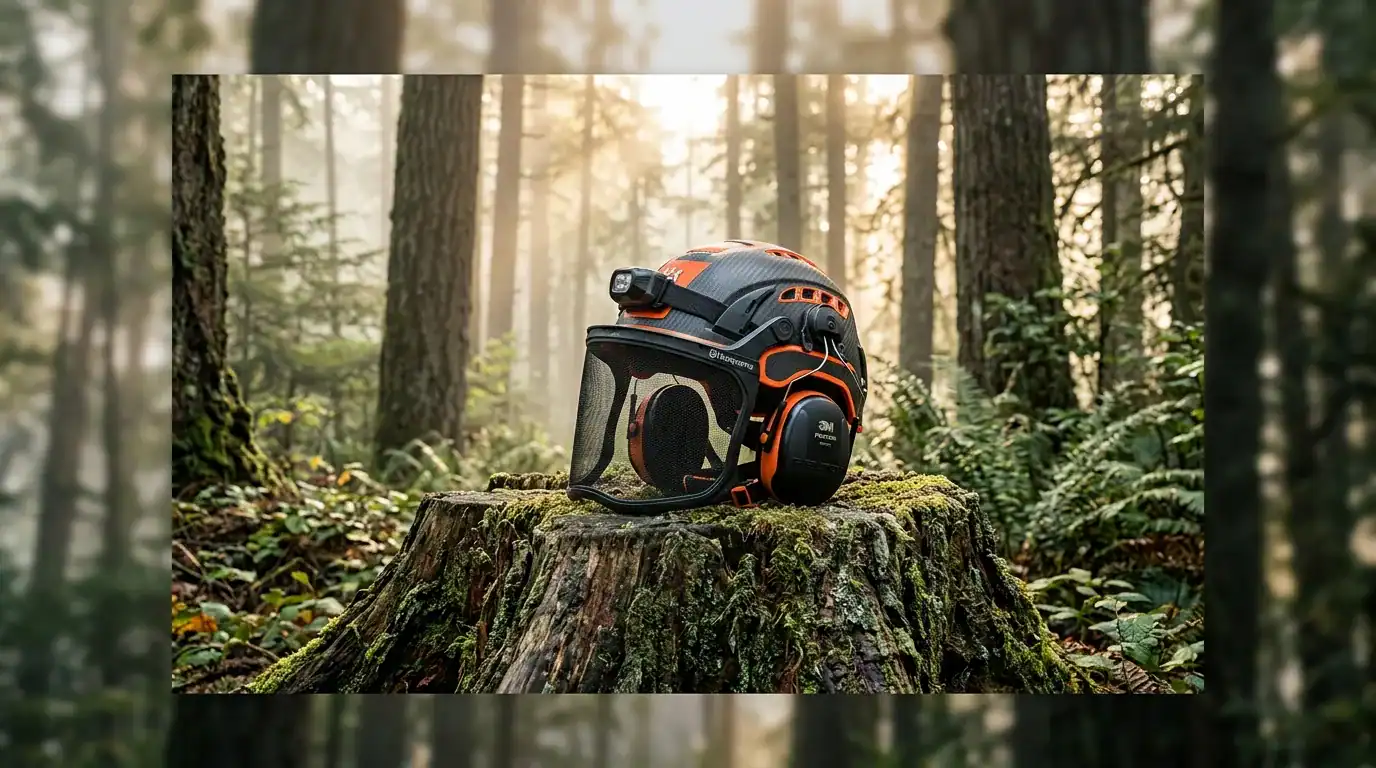
Protect Your Head: Choosing the Best Chainsaw Helmet with Face & Hearing Protection

Your Head’s Best Friend: Why a Chainsaw Helmet is Non-Negotiable
As a seasoned chainsaw professional, I’ve seen firsthand the importance of proper personal protective equipment (PPE). When you’re felling trees, limbing branches, or bucking firewood, flying debris, loud noise, and potential impacts are constant threats. That’s why a dedicated chainsaw helmet, integrating head, face, and hearing protection, isn’t just a suggestion—it’s an absolute necessity for anyone serious about chainsaw safety, whether you’re a homeowner, a landowner, or a professional arborist.
Table Of Content
- Your Head’s Best Friend: Why a Chainsaw Helmet is Non-Negotiable
- Why Choose an Integrated Chainsaw Helmet?
- Key Features to Look For in a Top-Rated Chainsaw Helmet
- 1. Head Protection (The Helmet Itself)
- 2. hearing protection (Ear Muffs)
- 3. Face Protection (Visor)
- 4. Comfort, Fit, and Visibility
- Top-Rated Chainsaw Helmet Examples to Consider
- Maintenance and When to Replace
- Make Safety Your Priority
At Best professional chainsaw, we advocate for safety above all else. A quality chainsaw helmet acts as your first line of defense, significantly reducing the risk of serious injury. Let’s dive into what makes a great chainsaw helmet and which features you should prioritize.
Why Choose an Integrated Chainsaw Helmet?
While you could piece together separate safety glasses, earplugs, and a hard hat, an integrated chainsaw helmet offers superior convenience, comfort, and often, better protection. It ensures all critical areas are covered simultaneously, preventing gaps in protection and reducing the chance of forgetting a crucial piece of gear. Plus, modern designs are engineered for the specific demands of chainsaw work.
Key Features to Look For in a Top-Rated Chainsaw Helmet
When you’re shopping for a new helmet, don’t just grab the cheapest option. Invest in features that will truly protect you. Here’s what to consider:
1. Head Protection (The Helmet Itself)
- Impact Resistance: The helmet shell should be designed to absorb impacts from falling branches or errant tools. Look for helmets that meet ANSI Z89.1 standards (or equivalent international standards like EN 397), which certifies industrial head protection.
- Material: Most quality helmets are made from high-density polyethylene (HDPE) or acrylonitrile butadiene styrene (ABS) plastic, known for their durability and impact absorption.
- Suspension System: A good internal suspension system (often a 6-point harness) is crucial. It keeps the helmet stable, distributes impact forces, and allows for proper airflow, reducing sweat and discomfort. Look for easy-to-adjust ratcheting systems.
2. hearing protection (Ear Muffs)
- Noise Reduction Rating (NRR): Chainsaws operate at dangerously high decibel levels (typically 100-115 dB), which can cause permanent hearing damage in minutes. Your ear muffs should have an NRR of at least 20-25 dB. This rating indicates how many decibels the protection reduces. For example, a chainsaw at 110 dB with an NRR 25 dB earmuff reduces the noise entering your ear to 85 dB, which is a safer level for extended exposure.
- Comfort: Padded ear cups and an adjustable headband are essential for long cutting sessions.
3. Face Protection (Visor)
- Mesh Visor: The most common type for chainsaw work. Steel mesh visors offer excellent airflow, preventing fogging, and are durable against wood chips and minor impacts. The trade-off is slightly reduced optical clarity compared to clear visors. Look for fine mesh to prevent smaller debris from getting through.
- Polycarbonate Visor: Offers superior optical clarity and better protection against very fine dust or liquids. However, they can scratch easily and are prone to fogging, especially in humid conditions. Some helmets offer interchangeable options.
- Impact Rating: Ensure the visor meets ANSI Z87.1 standards for eye and face protection. This certifies that it can withstand high-mass and high-velocity impacts.
4. Comfort, Fit, and Visibility
- Adjustability: The helmet should have multiple adjustment points for the headband, suspension, and ear muffs to ensure a snug, comfortable fit for various head sizes.
- Ventilation: Look for strategically placed vents to keep your head cool, especially during hot weather.
- Weight: A lighter helmet reduces neck strain during long periods of use.
- High Visibility: Bright colors like orange or yellow are highly recommended, especially when working in dense foliage or around others, improving your safety by making you more noticeable.
Top-Rated Chainsaw Helmet Examples to Consider
While specific models can vary, here are some widely respected and highly-rated integrated chainsaw helmets that consistently deliver on safety and comfort:
- Husqvarna Technical Forest Helmet: A perennial favorite among professionals and serious homeowners. It combines excellent impact protection, comfortable NRR 25 dB hearing protection, and a durable mesh visor. It’s known for its good balance and ventilation.
- STIHL Function Universal Helmet: Similar to Husqvarna in quality and features, STIHL offers a robust and comfortable helmet with good hearing and face protection, often in bright orange for visibility.
- Peltor (3M) G3000/G22 Helmet: While often sold as a base hard hat, Peltor offers excellent accessory attachments, including their high-quality ear muffs and various visors. These are highly customizable and extremely durable, favored by many industrial users.
- Oregon Chainsaw Helmet: Oregon provides a solid, value-oriented option that meets essential safety standards, making it a great choice for homeowners and those on a tighter budget who still demand reliable protection.
Maintenance and When to Replace
Your chainsaw helmet isn’t a “buy it once and forget it” item. Regular inspection and maintenance are critical:
- Clean Regularly: Wipe down the shell, clean the visor, and sanitize the ear pads.
- Inspect for Damage: Look for cracks, dents, or discoloration on the helmet shell. Check the suspension system for tears or wear. Ensure ear muff seals are intact and visors aren’t excessively scratched or bent.
- Component Replacement: Ear pads, suspension systems, and visors are often replaceable. Replace them as soon as they show signs of wear.
- Helmet Lifespan: Even without visible damage, the plastic in hard hats degrades over time due to UV exposure and environmental factors. Most manufacturers recommend replacing the entire helmet every 3-5 years, or immediately after any significant impact.
Make Safety Your Priority
Choosing the right chainsaw helmet with integrated hearing and face protection is one of the smartest investments you can make for your safety. Don’t compromise on quality when it comes to protecting your most valuable assets—your head, eyes, and ears. Take the time to select a helmet that fits well, meets safety standards, and offers the comfort you need for safe and efficient work. Your future self will thank you for it.