Quick answer: Hart Chainsaw replacement parts—including guide bars, saw chains, drive sprockets, and tensioning hardware—can be sourced directly through official HART Tools support, authorized service centers, or compatible third-party manufacturers like Oregon. Utilizing official parts diagrams and parts list PDFs ensures exact pitch, gauge, and drive link matching for seamless maintenance.
Navigating HART Chainsaw Components: Bars, Chains, and Hardware
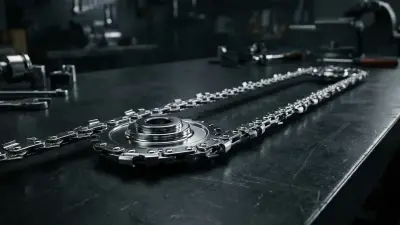
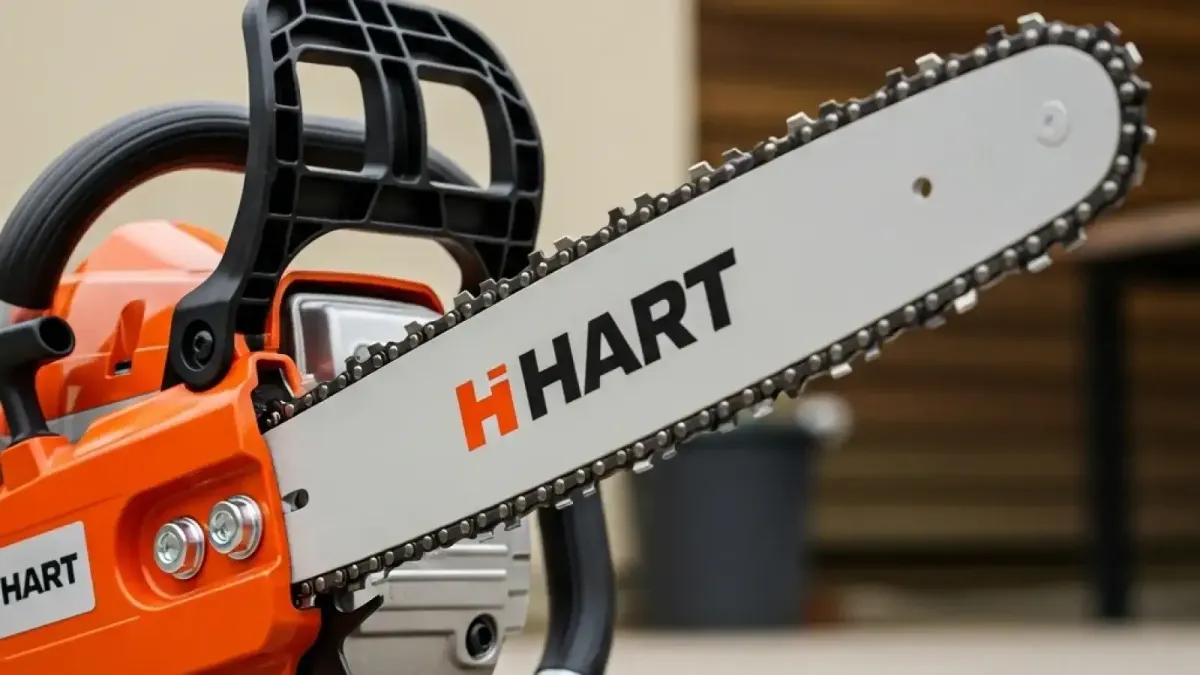
Understanding the technical dimensions of your cutting system is the first step toward ordering correct replacement parts. HART cordless chainsaws primarily utilize 3/8-inch Low Profile (LP) pitch chains paired with either a .043-inch or .050-inch gauge. Installing a chain with an incorrect gauge or pitch can damage the drive sprocket, cause binding, or result in dangerous chain throw off the guide bar during cutting operations. The guide bar itself acts as the primary track for the cutting chain and endures significant friction. Standard HART battery-powered saws utilize bar lengths ranging from 10 inches on pole saws up to 14 or 16 inches on their 40V brushless models. Over time, guide bar rails wear down, develop burrs, or pinch closed. Routine inspection requires measuring the rail groove width and verifying that the nose sprocket rotates freely without slop or binding.Pro tip: When replacing a worn chain on a HART 40V saw, always check the spur sprocket beneath the clutch cover for deep grooving. Installing a brand-new chain onto a heavily notched sprocket causes rapid chain stretch within the first tank of bar oil and accelerates tooth dulling during cross-cutting.
Beyond the cutting attachment, internal assemblies like the automatic oiler pump, drive gears, and toolless chain tensioner knobs require periodic attention. High-torque cutting causes thermal expansion in wood-cutting equipment, which can loosen plastic tensioner dials or clog oil passage ports with micro-fine sawdust mixed with sticky bar oil.Accessing Manuals, Schematics, and Parts Diagrams
Locating an official Hart chainsaw parts diagram is the most accurate method to identify exact OEM part numbers before purchasing hardware. Exploded view diagrams illustrate every mechanical layer, from the outer hand guard and chain brake linkage to the internal electric motor assembly and oil tank reservoir gaskets. These visual breakdowns eliminate guesswork when disassembling housing panels for deep cleaning or repairing broken internal components.Essential Replacement Specifications and Hardware Guide
Matching hardware accurately prevents premature wear and ensures max power transfer from the motor to the wood. Below is a detailed technical reference table detailing critical specs across common HART cordless chainsaw configurations:| HART Saw Model | Bar Length | Chain Pitch | Chain Gauge | Drive Link Count | Oil Capacity |
|---|---|---|---|---|---|
| 20V 10-Inch Pruner / Saw | 10 Inches | 3/8" Low Profile | .043 Inch | 40 Links | 2.0 oz (60 ml) |
| 20V 12-Inch Compact | 12 Inches | 3/8" Low Profile | .043 Inch | 45 Links | 3.4 oz (100 ml) |
| 40V 14-Inch Brushless | 14 Inches | 3/8" Low Profile | .050 Inch | 52 Links | 5.0 oz (150 ml) |
| 40V 16-Inch Brushless | 16 Inches | 3/8" Low Profile | .050 Inch | 56 Links | 6.0 oz (175 ml) |
| Resource | Format | Best Use |
|---|---|---|
| Hart chainsaw parts diagram | Visual | Identifying parts |
| Hart chainsaw parts list | Text | Comprehensive breakdown |
| Hart chainsaw parts online | Digital | Easy shopping |
| Hart chainsaw parts manual | Printed/Digital | Maintenance and safety |
| Hart chainsaw parts list pdf | Portable reference | |
| Hart replacement parts catalog | Printed | Detailed ordering |
| HART replacement parts catalog pdf | Quick search | |
| Hart replacement parts list pdf free download | Free PDF | Immediate access |
Sourcing OEM vs. Quality Aftermarket Parts Online
Deciding between original equipment manufacturer (OEM) HART replacement parts and reputable aftermarket alternatives depends on the specific component needed. For motor housings, switch triggers, electronic control boards, and toolless tensioning covers, purchasing original OEM hardware through official HART replacement catalog channels guarantees precise fitment and protects factory warranties. For cutting accessories like bars, chains, and files, third-party specialists like Oregon, Carlton, or TriLink offer high-grade steel replacements that frequently meet or exceed factory specs. Standard motor mounting patterns—often matching common small-bar A041 or A095 tail patterns—allow flexible compatibility with widespread aftermarket guide bars. Ordering HART chainsaw parts online requires careful verification of model variations. For example, a 20V brush-motor saw may use a different bar mount hole layout or oil passage offset than a 40V brushless motor model with the same bar length. Always cross-reference the part number listed in your Hart chainsaw parts manual against the online listing's specs to ensure exact compatibility. Regular maintenance routines should also account for auxiliary fluids. Battery-powered saws demand clean, high-tack bar and chain oil to prevent friction build-up on the bar nose sprocket. Avoid using reclaimed motor oil or overly thin fluids, as these can quickly ruin internal automatic oiler diaphragms and contaminate the surrounding casing.Frequently Asked Questions
Where can I find an official HART chainsaw parts list PDF?
Official parts lists and user manuals are available for free download directly from the HART Tools online customer support portal. Additionally, authorized outdoor power equipment repair databases carry downloadable PDF schematics indexed by your saw's specific model number.
Can I use Oregon replacement chains on my HART chainsaw?
Yes, as long as the replacement chain matches your bar's exact specifications: pitch (typically 3/8" LP), gauge (.043" or .050"), and drive link count (e.g., 52 or 56 links). Oregon produces compatible, high-quality low-kickback chains widely used on HART saws.
How do I fix an oil leakage issue on my HART cordless saw?
First, clean the oil reservoir cap thread seal and check for crack damage. Inspect the rubber oil delivery tube leading to the bar pad for clogs or disconnects. Always store your saw horizontally with the oil cap facing upward, and consider emptying the reservoir if storing the tool for long periods.
What should I do if my toolless chain tensioner knob slips?
Inspect the internal plastic gear teeth and metal tension pin behind the clutch cover for stripping or thread cross-threading. If the teeth are worn, replace the side cover assembly or conversion hardware with genuine OEM parts to restore tight clamping force on the bar stem.
Select your required component by matching your model number directly against an official parts manual, and upgrade to a sharp, correctly matched chain loop before starting your next yard clearing project.Sources
- HART Tools Official Technical Product Specifications
- OSHA 1910.266 - Logging Operations Safety Standards
- ANSI B175.1 - Outdoor Power Equipment Safety Standards