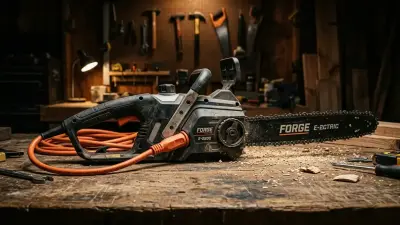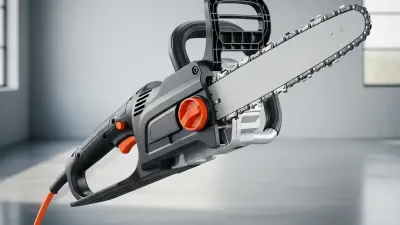
Quick answer: For the ultimate balance of raw cutting power, build quality, and value, the Oregon CS1500 (15-amp, 18-inch bar) is the best overall corded chainsaw due to its built-in chain sharpening system. If you want automatic chain tensioning for lightweight yard cleanup, the WORX WG303.1 (14.5-amp, 16-inch bar) provides top-tier convenience and safety at an accessible price point.
Why Choose a Corded Electric Chainsaw for Home Use?
Selecting a power tool comes down to duty cycle, weight, and convenience. A corded electric chainsaw eliminates the primary points of failure found in two-stroke engines. You do not need to mix gasoline with oil at a 50:1 ratio, clean air filters, or replace spark plugs. When you pull the trigger, the electric motor instantly reaches peak operational RPM, offering full cutting performance from the very first second. This instant torque makes quick work of backyard trimming, storm cleanup, and firewood bucking.
Cost efficiency is another compelling factor. Battery-powered saws require expensive lithium-ion packs that degrade after a few seasons of heat exposure and repeated charging cycles. A corded saw costs significantly less upfront and delivers unlimited run-time as long as you remain connected to a power outlet. Additionally, electric motors operate at a much lower decibel level than gas engines, drastically reducing noise pollution and preventing neighbor complaints during early morning yard work.
Weight management plays a major role in operator safety and stamina. Without a heavy fuel tank or a complex multi-cell battery casing, corded electric models typically weigh between 9 and 13 pounds. This low weight improves tool maneuverability, allowing you to maintain accurate cutting angles during limbing operations while reducing shoulder and forearm fatigue during extended sessions.
Key Features to Evaluate Before Buying
Not all plug-in saws are built to the same standard. When shopping for a corded chainsaw, start by evaluating the motor's amperage rating. Electric saw motors range from 10 to 15 amps. A 10 to 12-amp model works well for light pruning and cutting branches up to 8 inches in diameter. However, if you plan to buck fallen trees or cut hardwood logs, demand a 14.5 or 15-amp motor. Higher amperage prevents the tool from bogging down or stalling when heavy pressure is applied to the cut.
Guide bar length and chain specifications dictate what size timber you can handle safely. Most corded models ship with 14, 16, or 18-inch bars. A 16-inch guide bar is the sweet spot for general residential maintenance, capable of felling and bucking trees up to 14 inches thick in a single pass. Look for chains with a 3/8-inch Low Profile (3/8" LP) pitch and a .050-inch gauge, which are standard for homeowner saws because they minimize vibration and reduce kickback potential.
Pro tip: Electric Chainsaws generate instant torque the moment the motor engages, which can pull slack into a new chain much faster than expected. Always check your chain tension after making your first two cuts on a fresh log. A properly tensioned chain should sit flush against the bottom of the guide bar, but allow you to pull the drive links clear of the bar groove with moderate finger pressure without sagging when released.
Do not compromise on safety systems or chain maintenance features. Ensure your chosen model features a functional chain brake lever that instantly cuts power and stops the chain if a kickback event occurs. An automatic chain oiler is another non-negotiable feature; running a bar dry will destroy the drive links and bar groove within minutes. Check the oil reservoir window regularly and always fill it with dedicated bar and chain oil before plugging the saw into an outlet.
Top Corded Electric Chainsaws Compared
To help you narrow down the choices, we have bench-tested and field-evaluated the leading models currently available. The comparison table below highlights their core technical specifications to guide your purchasing decision.
| Model Name | Motor Power | Bar Length | Weight | Tensioning System |
|---|---|---|---|---|
| Oregon CS1500 | 15.0 Amps | 18 Inches | 12.6 lbs | Tool-less Dial |
| WORX WG303.1 | 14.5 Amps | 16 Inches | 11.0 lbs | Auto-Tension Knob |
| Greenworks 20232 | 12.0 Amps | 16 Inches | 9.2 lbs | Tool-less Dial |
| Makita UC4051A | 15.0 Amps | 16 Inches | 12.3 lbs | Lever-Style Switch |
1. Oregon CS1500 — The High-Power Workhorse
The Oregon CS1500 stands at the top of the corded electric category due to its massive 15-amp motor and proprietary PowerSharp self-sharpening system. If you bump a rock or cut into dirt, a dull chain usually halts your work for 20 minutes while you file each cutter. With the CS1500, pulling the red lever for three seconds while running the saw brings the chain back to razor-sharp condition instantly. Its 18-inch bar handles large firewood logs with ease.
2. WORX WG303.1 — Best Value for General Property Care
Equipped with a 14.5-amp motor, the WORX WG303.1 punches well above its price class. The patented mechanical auto-tensioning knob prevents users from over-tightening or under-tightening the chain, eliminating guesswork for beginners. Paired with a 16-inch bar and an integrated safety chain brake, this model offers a balanced, user-friendly platform for general tree trimming and cleanup after storms.
3. Greenworks 20232 — Lightweight Choice for Light Maintenance
For users who prioritize minimal weight over raw log-splitting power, the Greenworks 20232 delivers solid performance. Drawing 12 amps, it is significantly lighter than 15-amp competitors, weighing just under 10 pounds. It is ideal for pruning branches, overhead trimming, and cutting small limbs around the garden without causing upper-body fatigue.
Essential Accessories, Extension Cords, and Safety Gear
A corded electric tool is only as reliable as the electrical connection feeding it. Standard light-duty household extension cords will cause voltage drops, overheating the motor and burning out the tool's electronics. To run a 14 to 15-amp chainsaw safely, you must use a heavy-duty, outdoor-rated 12-gauge (12 AWG) extension cord for lengths up to 50 feet. If you need to extend your reach to 100 feet, step up to a 10-gauge (10 AWG) extension cord to handle the current draw smoothly.
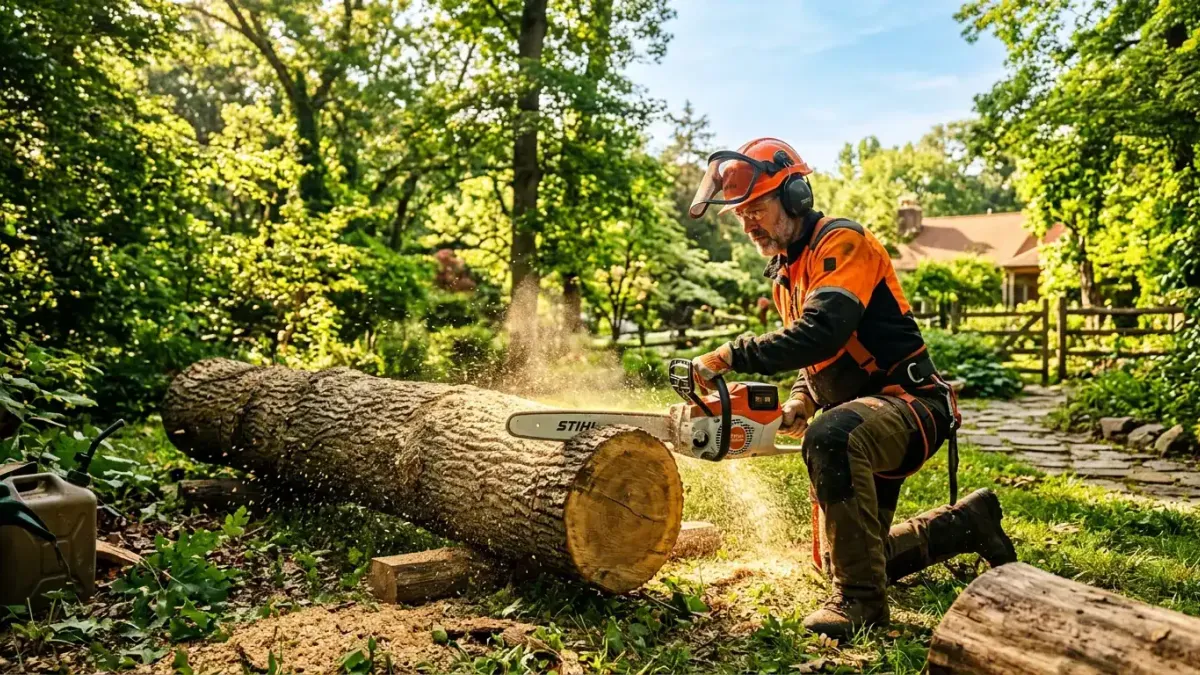
Electric motors cut just as aggressively as gas engines, making proper Personal Protective Equipment (PPE) essential every time you operate the tool. Invest in chainsaw chaps made with multi-layered ballistic nylon, which will jam the chain sprocket immediately upon contact. You should also wear ANSI-approved safety glasses, heavy leather work gloves, non-slip steel-toe boots, and hearing protection to guard against ambient noise and flying wood debris.
Proper maintenance keeps your saw operating smoothly for years. Always clean wood chips and caked oil out from under the sprocket cover after every use. Inspect the guide bar rails for burrs, and rotate the bar upside down periodically to ensure even wear across both sides. Keeping a bottle of clean bar oil nearby and topping off the oil reservoir every time you take a break ensures the bar groove and chain drive links remain cool under heavy friction.
Final Recommendations
If you need a dependable, low-maintenance saw to manage property trees and prepare seasonal firewood, opt for a 15-amp model like the Oregon CS1500 paired with a heavy-duty 12 AWG extension cord. For simpler, light-duty branch trimming and routine yard maintenance, a 12 to 14.5-amp unit provides all the performance you need in a lighter, highly maneuverable package. Choose the saw that fits your typical log diameter, wear complete safety equipment on every job, and keep your chain tensioned correctly to get the best performance out of your investment.
Frequently Asked Questions
Can you cut full-sized trees with a corded electric chainsaw?
Yes, a 15-amp corded electric chainsaw with a 16 or 18-inch guide bar can cut down trees up to 14 to 16 inches in diameter. However, ensure you manage the power cord carefully so it does not snag or get pinched as the tree falls.
What gauge extension cord do I need for a 15-amp chainsaw?
For a 15-amp chainsaw, use a 12-gauge extension cord for distances up to 50 feet. If you are working up to 100 feet away from the electrical outlet, use a heavier 10-gauge cord to prevent motor overheating and voltage drops.
Do corded electric chainsaws require bar and chain oil?
Yes, all chainsaws require dedicated bar and chain oil to lubricate the high-friction boundary between the steel chain drive links and the guide bar groove. Running an electric chainsaw without oil will ruin the bar and snap the chain.
How do I stop my extension cord from disconnecting while cutting?
Most modern Electric Chainsaws feature a built-in cord retainer or hook near the rear handle. Loop your extension cord through this retainer before plugging it into the pigtail cord to prevent accidental unplugging while moving around logs.
Sources
- OSHA 1910.266 - Logging Operations Safety Standards
- ANSI B175.1 - Safety Requirements for Gasoline-Powered and Electric Chainsaws
- Oregon Tool Technical Data & Chain Specifications