Disclosure: As an Amazon Associate, we earn from qualifying purchases.
The overall best saw chain sharpener for most users is the Oregon 410-120 Bench-Mounted Grinder for high-volume, shop-quality precision, while the Stihl 2-in-1 EasyFile (and its twin, the Pferd CS-X) is the top choice for fast, foolproof manual sharpening right in the field. Regular sharpening keeps wood chips large, cuts straight, and prevents heavy stress on your powerhead, whether you are running a heavy-duty timber saw or a lightweight electric pole saw.
Understanding Saw Chain Sharpening Options
Maintaining a sharp cutter geometry requires filing two primary components on each link: the top cutter edge (set to a 25° to 35° angle depending on chain profile) and the depth gauge (or raker), which controls how deeply the cutter bites into the timber. Sharpeners generally fall into three distinct categories:
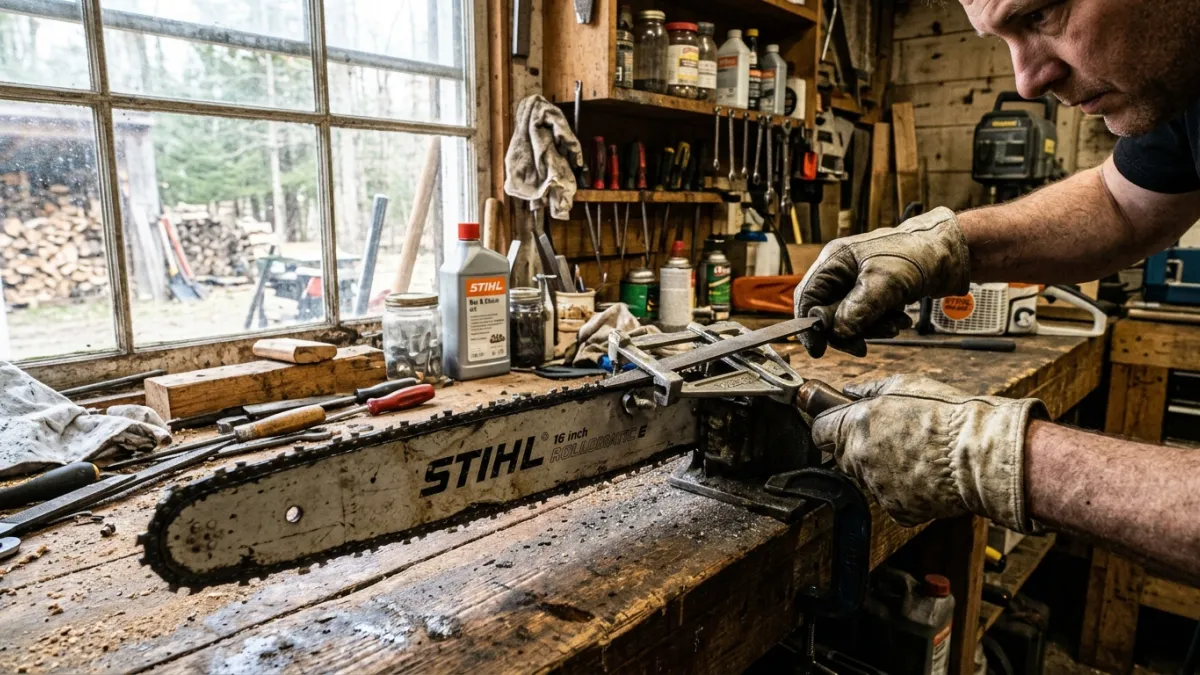
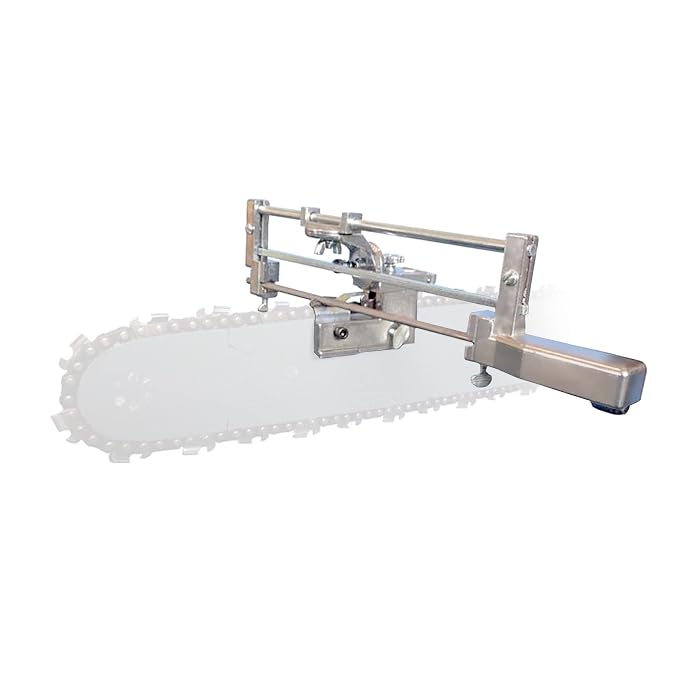
- Manual Filing Guides & Jigs: Tools like the Stihl 2-in-1 or Granberg File-N-Joint clamp directly onto the guide bar. They hold round files at precise top-plate angles while simultaneously dressing the depth gauge. They require no electricity, making them ideal for field maintenance.
- Handheld Electric Sharpeners: Powered by 12V vehicle batteries or 120V wall outlets (such as the Oregon 575214 Sure Sharp or rotary stone kits), these portable high-speed grinding stones quickly sharpen cutters without removing the chain from the bar.
- Bench & Wall-Mounted Electric Grinders: Fixed shop units, including the Oregon 410-120 or Tecomec Super Jolly, utilize dedicated grinding wheels to restore damaged cutters, true up uneven left-and-right cutter lengths, and re-establish precise factory cutter angles on heavily worn chains.
Top Recommended Chain Sharpeners Compared
Selecting the ideal sharpener depends on how frequently you cut wood, where you sharpen, and how many chains you manage. Here is a comparison of top-performing sharpeners currently used by homeowners, landowners, and forestry professionals:
| Model | Type | Best For | Key Advantage |
|---|---|---|---|
| Oregon 410-120 | Electric Bench Grinder | Shop maintenance & fleet chains | Built-in light, precise vise angles, restores rocked-out cutters |
| Stihl 2-in-1 EasyFile / Pferd CS-X | Manual Bar Guide | In-field touch-ups & landowner work | Sharpens cutter tooth and sets depth gauge in a single stroke |
| Timberline Chainsaw Sharpener | Carbide Cutter Jig | Precision field sharpening | Tungsten carbide cutter provides micrometer-level accuracy without power |
| Oregon 575214 12V Sure Sharp | 12V Handheld Rotary | Off-grid power equipment maintenance | Clamps to truck battery for fast field grinding |
Oregon Professional Compact 120-Volt Bench Chain Grinder

Top Sharpener Reviews and Key Features
1. Oregon 410-120 Bench-Mounted Grinder
For landowners maintaining multiple timber saws or managing dirty wood, the 120V Oregon 410-120 bench grinder offers unmatched speed and repeatability. Mounted directly to a workbench or wall stud, this unit uses 5-3/4 inch grinding wheels to quickly reshape dull edges. It features a hydraulic-assist vise that automatically clamps the chain link when the grinding head is lowered, saving valuable time during long maintenance sessions.
2. Stihl 2-in-1 EasyFile (Pferd CS-X)
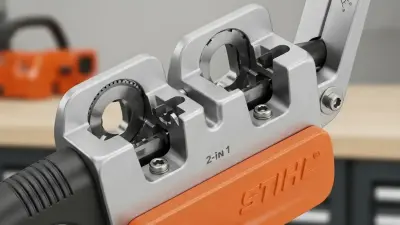
The Stihl 2-in-1 system remains the most practical field tool for everyday chainsaw users. Holding two round files and one flat file within a rigid guide frame, it automatically aligns the round file at a 30° top-plate angle while filing the depth gauge down to the precise height relative to the tooth. It takes the guesswork out of raker height and eliminates the need for a separate depth gauge tool.
3. Timberline Precision Carbide Sharpener
The Timberline sharpener mounts directly to your saw’s guide bar and uses a hand-cranked tungsten carbide cutter instead of standard steel files or abrasive wheels. Because carbide removes precise thousandths of an inch per turn, it creates an exceptionally sharp edge on even the best chainsaw chain for professional use without overheating or annealing the hard cutter steel.
Matching Your Chain Type to the Right Sharpener
Granberg G106B Chainsaw Sharpener, Chain Saw Sharpener Tool, File-N-Joint
Before purchasing a sharpener, check your chain pitch and file diameter requirements. Matching the grinding wheel thickness or file size to your saw chain is essential for maintaining correct cutter hook angles:
- 3/8" Low-Profile (PICCIO / Narrow Kerf): Requires a 5/32 in (4.0 mm) round file or 1/8 in grinding wheel. Common on residential electric saws and the typical best electric pole saw.
- .325" Pitch Chains: Requires a 3/16 in (4.8 mm) round file or 3/16 in grinding wheel. Common on mid-range 40cc to 50cc homeowner and farm chainsaws.
- 3/8" Standard Pitch Chains: Requires a 7/32 in (5.5 mm) or 13/64 in file, or 3/16 in grinding wheel. Used across commercial felling and bucking saws running high-output engine setups.
When working with tough hardwood or dirt-laden timber, keeping the best chainsaw chain properly dressed ensures safety by minimizing kickback risk and reducing operator fatigue. Never force a dull saw through a cut—if you see fine sawdust instead of large, clean wood chips, your chain needs immediate attention.
Step-by-Step Practical Sharpening Tips
- Clean the Chain: Remove pitch, bar oil sludge, and dirt with degreaser before filing or grinding to prevent loading up your stones or files.
- Identify the Master Cutter: Find the shortest or most damaged cutter tooth on the chain. Sharpen this tooth first, counting your file strokes or setting your electric bench grinder depth to match this tooth across all remaining links.
- Maintain Uniform Lengths: Consistent cutter tooth lengths ensure the saw cuts straight without pulling to the left or right inside the log.
- Check Depth Gauges: Dress rakers down every 3 to 4 sharpenings to maintain correct bite depth (.025 in to .030 in clearance below the top plate edge).
Frequently Asked Questions
How often should I sharpen my chainsaw chain?
Stihl 2 IN 1 EASY FILE CHAINSAW CHAIN SHARPENER .325"

You should touch up your chain with a manual filing guide every time you refill your fuel tank or battery charge. A light touch-up requiring 2 to 3 file strokes per tooth keeps the edge razor-sharp, whereas waiting until the saw produces fine dust requires heavy grinding and shortens overall chain life.
Can an electric grinder ruin a chainsaw chain?
Yes, if used aggressively. Heavy pressure on an electric grinder wheel creates heat that tempers the cutter steel, turning it blue and making it soft and incapable of holding an edge. Use light, pulsing taps against the cutter face to prevent overheating.
Is a bench grinder better than manual filing?
Bench grinders excel at rapidly fixing rocks-damaged teeth, balancing uneven cutter lengths, and processing multiple chains in a workshop. However, for routine daily maintenance, manual filing guides like the Stihl 2-in-1 remove less metal, extend chain lifespan, and can be used directly on the job site.
Sources
Looking for the Right Gear?
Check out our verified Top Professional Chainsaws & Safety Gear Essentials on Amazon.
As an Amazon Associate, we earn from qualifying purchases.