When searching for a new saw, you will quickly notice two distinct structural designs: top-handle chainsaws and standard rear-handle (ground) chainsaws. While both cut wood using a guide bar and standard saw chain, they are engineered for completely different working environments. Using the wrong design can not only ruin your efficiency but also create extreme safety hazards.
Whether you are clearing storm debris, pruning limbs, or felling trees, understanding how these two designs differ in control, weight distribution, and safety features will help you pick the right tool for the job.
Understanding the Core Architectural Difference
The primary distinction between these two saws lies in the placement of the rear control handle and throttle trigger.
- Top-Handle Chainsaws: The control handle is mounted directly on top of the saw engine body, right next to the front bail handle. This brings the operator's hands close together, creating a compact center of gravity.
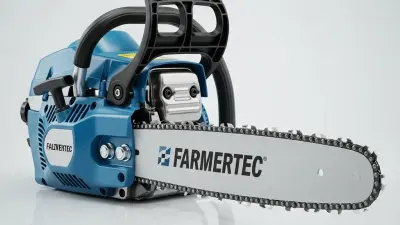
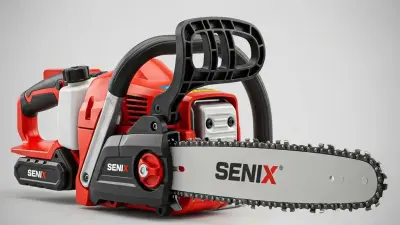
- Rear-Handle (Ground) Chainsaws: The control handle extends out from the back of the engine housing. This wide spacing between your hands provides maximum leverage, physical control, and counter-force against reactive forces like kickback.
Top-Handle Chainsaws: Compact Aerial Tools
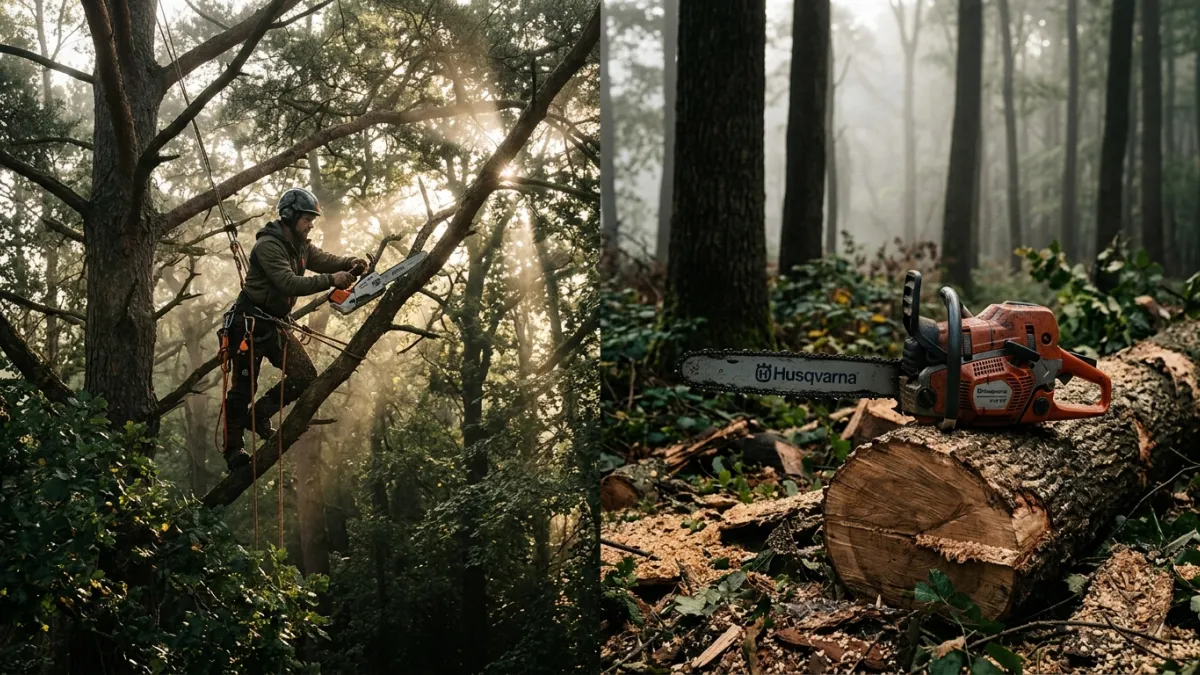
Top-handle chainsaws (often called "arborist saws" or "climbing saws") are specialized tools built exclusively for working up in the tree canopy or inside a bucket truck. Popular examples include the gas-powered Stihl MS 194 T (31.8 cc) and the battery-powered Husqvarna T540i XP.
Key Advantages:
- One-Handed Maneuverability (for positioning): While two hands should always be used when cutting, the compact frame allows arborists to maneuver the saw easily with one hand while securing their climbing position with the other.
- Lightweight & Compact Profile: Weighing between 6.0 and 7.5 lbs (dry weight), these saws fit comfortably inside tight branch crotches without getting snagged.
- Integrated Harness Rings: Most models feature dedicated lanyard attachment loops for secure tethering to a climbing harness.
Drawbacks & Risks:
The close hand-positioning on a top-handle saw reduces your physical leverage dramatically. If the tip of the guide bar contacts wood unexpectedly (causing kickback), the rotational force is far harder to control compared to a ground saw. Because of this high risk, major manufacturers clearly state that top-handle saws are intended solely for trained in-tree operators.
Ground (Rear-Handle) Chainsaws: The Standard for Safety & Power
Rear-handle chainsaws represent the traditional design used for 95% of all wood-cutting tasks on solid ground. Models range from homeowner options like the Echo CS-3510 (34.4 cc, 16-inch bar) up to heavy-duty professional forestry saws like the Stihl MS 500i (79.2 cc).
Key Advantages:
- Maximum Leverage & Control: Wide spacing between your hands allows you to easily push, pull, and steer the saw through heavy logs while maintaining firm control over kickback forces.
- Versatile Power Options: Rear-handle designs accommodate larger engine displacements (from 30 cc up to over 120 cc) and bar lengths ranging from 12 inches up to 48 inches or more.
- Superior Ergonomics on the Ground: When cutting logs at waist or ground level, the extended rear handle prevents unnatural wrist angles and reduces physical fatigue.
Drawbacks:
Their longer footprint makes them cumbersome to haul up a tree, and they are difficult to operate efficiently within tight, overhead canopy branches.
Side-by-Side Comparison
| Feature | Top-Handle Chainsaw | Rear-Handle (Ground) Chainsaw |
|---|---|---|
| Primary Application | In-tree pruning, climbing, bucket truck work | Felling, bucking, limbing on the ground |
| Hand Position | Narrow (handles close together on top) | Wide (one handle on top/side, one behind) |
| Kickback Control | Lower physical leverage | High physical leverage |
| Average Bar Length | 10 to 14 inches | 14 to 36+ inches |
| Recommended Users | Certified arborists, professional tree climbers | Homeowners, DIYers, landscapers, loggers |
Which Chainsaw Design Should You Buy?
Choosing the right chainsaw comes down to where your feet are positioned when cutting:
- Buy a Rear-Handle Saw if: You are a homeowner, landowner, or landscaper working with your feet on the ground. Whether you are cutting firewood, clearing fallen limbs, or felling small trees, a standard rear-handle saw offers the leverage, stability, and safety control you need.
- Consider a Top-Handle Saw only if: You are a trained tree care professional, certified arborist, or experienced climber performing overhead canopy work. If you plan to cut branches from the ground or off a ladder, a top-handle saw is unsafe and inappropriate—stick with a rear-handle model or a dedicated pole saw instead.
Frequently Asked Questions
Can a homeowner safely use a top-handle chainsaw on the ground?
While a top-handle saw will cut wood on the ground, it is not recommended. The lack of handle distance reduces your control over kickback, placing your body much closer to the high-speed chain than a standard rear-handle saw does.
Is it safe to trim tree limbs from a ladder using a top-handle saw?
No. Chainsaw manufacturers and safety organizations (like OSHA) strongly advise against using any chainsaw from a ladder. For overhead branches accessible from the ground, use a manual or powered pole saw instead.
Why are top-handle chainsaws often more expensive?
Top-handle chainsaws are specialized professional equipment. They are built with high-grade, lightweight materials (such as magnesium alloy crankcases) and compact engine components designed to withstand rigorous daily use aloft, driving up production costs compared to entry-level ground saws.