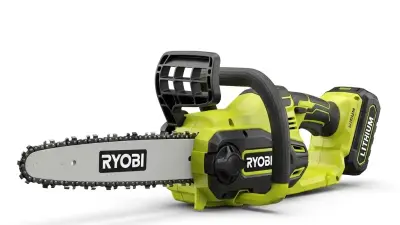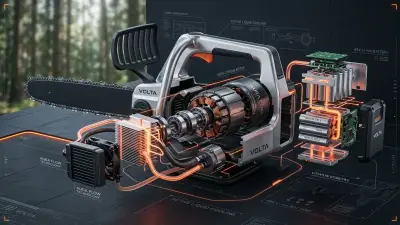
For years, bucking 18-inch hardwoods or felling mature trees required a loud, smelly gas chainsaw running a 50:1 fuel-to-oil mix. Recent advances in brushless motors and high-voltage lithium-ion cell chemistry have completely changed the landscape. Today's commercial-grade battery saws deliver torque curves that rival 50cc to 60cc gas engines, making them capable of serious timber processing without the pull-cord headaches or exhaust fumes.
Quick answer: For true heavy-duty woodcutting, choose a battery platform delivering at least 60V to 80V with a 5.0Ah or higher battery capacity. The top high-performance battery saws—such as the Milwaukee M18 FUEL TOP-HANDLE or 80V Greenworks Commercial lines—handle 18-inch to 20-inch guide bars and easily cut through hardwoods like oak and maple when paired with a sharp 3/8-inch pitch chain.
Understanding Power Output and Battery Voltages for Heavy Cutting
When selecting a battery saw for demanding timber work, voltage is only half the equation. Amp-hours (Ah) dictate total runtime, but watt-hours (Wh) measure the actual total energy stored in the pack. To calculate watt-hours, multiply nominal voltage by amp-hours (Voltage x Ah = Wh). A 60V max battery rated at 3.0Ah delivers 180Wh of energy, whereas an 80V max battery at 4.0Ah yields 320Wh. For continuous bucking of thick logs, higher energy capacity prevents premature thermal shutdown under heavy loads.
Brushless motors are non-negotiable for heavy-duty tasks. Unlike traditional brushed designs, brushless motors electronically regulate power based on cutting resistance. When soft pine switches to hard hickory, the controller draws more amperage to maintain chain speed. High chain speed—measured in meters per second (m/s)—is what keeps the saw from stalling when you sink the cutting teeth into thick wood. Look for chain speeds of 15 m/s to 24 m/s to maintain rapid chip clearance.
Guide bar length must align with the saw's sustained power output. While manufacturers occasionally bundle 18-inch or 20-inch bars on lower-voltage tools, real-world heavy cutting demands adequate torque. A 20-inch bar buried in green oak places massive drag on the drive sprocket. High-voltage platforms (56V, 60V, or 80V) paired with a .050-inch gauge chain maintain efficient power transfer without bogging down the electric motor.
Pro tip: Always monitor your chain tension closely during the first 15 minutes of cutting with a fresh setup. New chains stretch as friction heat builds, and because electric motors deliver instant torque from zero RPM, a slack chain can easily jump off the bar grooves or severely damage the drive links.
Top High-Performance Battery Chainsaws Reviewed
Selecting the right saw depends on whether you prioritize raw cutting speed, battery system cross-compatibility, or extended runtime. Below is a practical breakdown of top-tier cordless powerheads built for serious woodcutting applications.
| Model Platform | Voltage / Battery | Bar Length | Chain Pitch & Gauge | Weight (with battery) |
|---|---|---|---|---|
| EGO Power+ CS1800 | 56V Arc-Lithium (5.0Ah) | 18 in. | 3/8" LP, .050" | 15.8 lbs |
| DeWalt FlexVolt DCCS677B | 60V Max FlexVolt (3.0Ah/9.0Ah) | 20 in. | 3/8" Standard, .050" | 17.4 lbs |
| Makita XCU09PT1 / GTU01 | 36V (18Vx2) / 40V max XGT | 18 in. / 20 in. | .325" LP or 3/8", .050" | 14.7 lbs |
| Greenworks Pro 80V CS80L211 | 80V Lithium-Ion (2.0Ah / 4.0Ah) | 18 in. | 3/8" LP, .050" | 14.8 lbs |
The DeWalt FlexVolt 60V Max (DCCS677B) stands out as a true gas equivalent to a 50cc engine. Operating a 20-inch bar with full-sized 3/8-inch chain pitch, it pulls through large logs with aggressive bite. Metal bucking spikes come standard, providing sturdy leverage when pivoting the bar through thick trunks. If you already own DeWalt cordless construction tools, the cross-compatible FlexVolt battery ecosystem adds huge practical value.
The EGO Power+ 18-inch CS1800 features an integrated LED headlight, auto-tensioning system, and impressive chain speed. Powered by a 56V Arc-Lithium pack, this model excels in clean cutting performance and thermal management. For landowners managing downed trees after storms, the high torque output allows clean cuts through trees up to 16 inches in diameter in a single pass without overheating the battery management system.
For tradesmen who require rapid chain speed and precise control, the Makita 40V max XGT platform delivers performance that matches professional top-handle and rear-handle gas saws. Makita’s direct-drive motor design eliminates drive gears, providing instantaneous acceleration and reducing total tool weight for less fatigue during long cutting sessions.
Key Features to Evaluate Before Buying
Not all cordless saws handle heavy loads equally. Evaluating structural components before purchasing prevents buyer's remorse when working far from an electrical outlet. Proper safety gear, including high-visibility chainsaw protective chaps, protective helmets, and eye protection meeting ANSI standards, remains essential regardless of power source.
- Metal Bucking Spikes: Plastic spikes flex and snap under heavy leverage. High-duty cutting requires durable steel spikes anchored directly into the chassis.
- Chain Pitch and Gauge: Standard 3/8-inch or .325-inch pitch chains with .050-inch gauge offer superior strength and lumber clearance compared to thin-kerf, low-profile consumer chains.
- Automatic Oiling System: High-speed timber cutting generates severe heat along the bar rails. Choose saws with adjustable or high-volume automatic bar oil pumps to prevent rail wear.
- Battery Thermal Cooling: High current draw generates heat inside lithium cells. Look for battery designs with cooling channels or phase-change material to prevent thermal cut-offs during continuous bucking.
Weight balance is another critical factor. A heavy battery mounted at the rear of the saw can throw off the center of gravity, causing wrist strain during horizontal felling cuts. When shopping, test how the saw balances in your hand with the battery installed to ensure smooth control across all cutting angles.
Maintenance Protocols for High-Power Battery Saws
While battery chainsaws eliminate carburetor tuning, air filter blowing, and 2-stroke fuel mixing, they still require meticulous mechanical maintenance to ensure safety and longevity. Electric motors produce instant full power; a dull chain forces the motor to draw extra current, generating excessive internal heat that degrades battery cells prematurely.
Sharpen your cutter teeth regularly using the correct file size—typically a 5/32-inch or 7/32-inch round file, depending on chain pitch. Keep depth gauges (rakers) filed to .025 inches below the cutter tip to ensure proper chip size. Keep the bar groove clear of packed wood dust, and clean the oil discharge port after every battery charge cycle to guarantee adequate lubrication to the bar nose sprocket.
Always inspect the drive sprocket inside the side clutch cover. Fine wood dust mixed with tacky bar oil can accumulate around the brake band and drive gear. Clean this area regularly with compressed air or a stiff brush to keep the mechanical chain brake functioning smoothly in the event of kickback.
To maximize battery performance, matching your tool choice with the right cutting techniques and notch cuts ensures efficient battery usage while keeping safety at the forefront of every drop.
Choosing the Ideal Battery Saw Setup
Selecting the best saw comes down to matching wood diameter with runtime needs. For clearing 10 to 14-inch limbs and occasional firewood bucking, a 56V or 60V powerhead fitted with an 18-inch bar offers an ideal balance of power and agility. Landowners processing cordwood regularly should invest in two high-amp-hour batteries (at least 5.0Ah or 6.0Ah) and a rapid dual-port charger to maintain continuous workflow.
Frequently Asked Questions
Can a battery chainsaw really replace a 50cc gas chainsaw?
Yes. Modern 60V and 80V cordless chainsaws generate equivalent peak torque to 50cc gas engines. They deliver instant acceleration without power lag, though gas chainsaws still retain an advantage for uninterrupted, all-day remote forestry work where electrical recharges are unavailable.
How many cuts can I get on a single battery charge?
A standard 60V 5.0Ah battery typically yields between 90 and 150 cuts in 6-inch hardwood per charge. Cutting softwoods or smaller branch diameters significantly increases cut counts, while buried cuts in dense hardwoods consume more energy per pass.
Do battery chainsaws require special bar oil?
No. battery chainsaws use the exact same petroleum-based or biodegradable vegetable-based bar and chain oil as gas saws. Always ensure the oil reservoir is filled prior to every cutting session to protect the bar rails and nose sprocket.
Why does my battery saw stop suddenly while cutting thick logs?
Most high-voltage saws feature built-in overload protection circuits. If you push down too hard or use a dull chain, the motor controller shuts off power instantly to protect the battery cells and motor windings from thermal damage. Easing off pressure or sharpening the cutters resolves this issue.
Sources
- ANSI B175.1 - Safety Requirements for Gasoline and Electric Powered Chainsaws
- OSHA General Industry Logging Safety Standards (1910.266)
- DeWalt Outdoor Power Equipment Technical Data Sheets
- EGO Power+ Commercial Battery Technology Specifications