Disclosure: As an Amazon Associate, we earn from qualifying purchases.
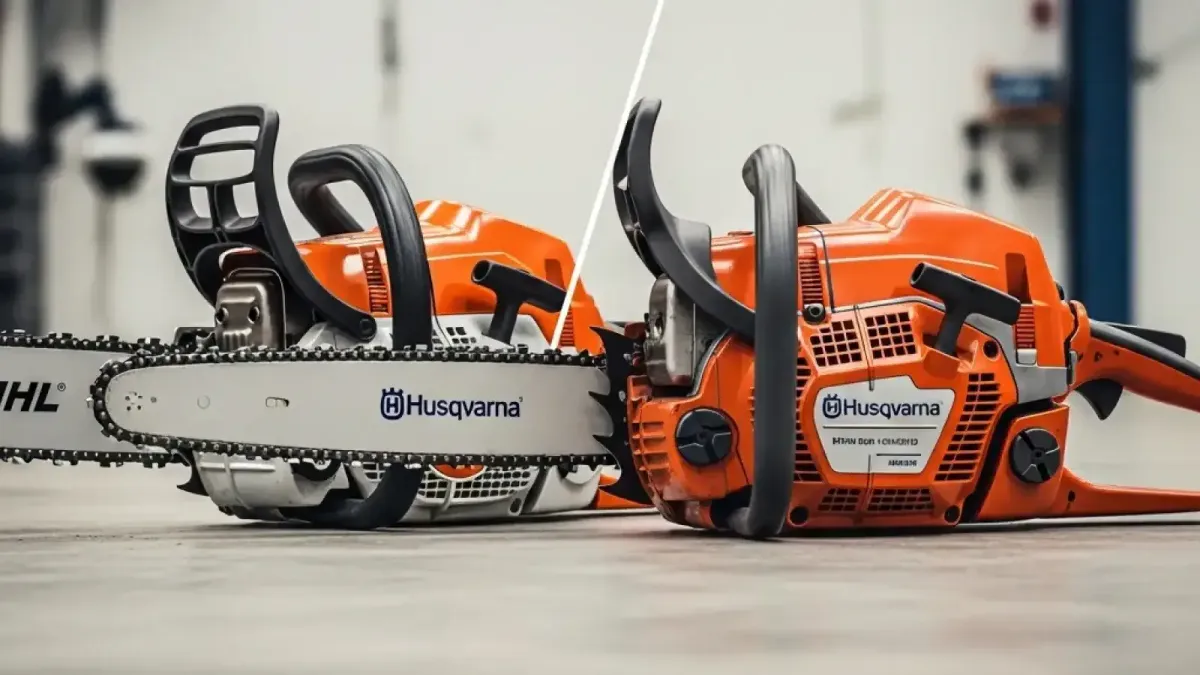
In the world of timber cutting, arboriculture, and home woodlot management, no rivalry runs deeper than Husqvarna versus Stihl. Both manufacturers have spent decades refining two-stroke engines, vibration isolation systems, and chain chassis designs to earn the trust of professional loggers and weekend firewood cutters alike. Choosing between these powerhouses requires looking past brand loyalty and examining specific engineering differences, power-to-weight ratios, torque delivery curves, and real-world serviceability across various operating conditions.
Quick answer: Husqvarna Chainsaws generally lead in high-RPM cutting speed, ergonomic design, and advanced air filtration (Air Injection), making them a favorite for fast limbing and high-speed production work. Stihl chainsaws excel in low-end lugging torque, rugged crankcase build quality, and unmatched local dealer service networks, making them ideal for heavy bucking and hard daily abuse.
Engine Technology, Torque, and Cutting Performance
When running side-by-side bucking tests in dense hardwoods like white oak or seasoned hickory, the structural philosophy of each brand becomes immediately apparent. Husqvarna utilizes their proprietary X-Torq engine design, which introduces a blast of clean air before the fuel-air charge to flush out exhaust gases. This stratified scavenging process reduces fuel consumption by up to 20% and lowers emissions by up to 60% while maintaining crisp high-RPM performance. Husqvarna saws typically peak at higher operational RPMs (often around 13,000 to 14,000 RPM WOT), allowing the cutter to maintain high chain speed through smaller-diameter timber and branches.
Stihl answers with their 2-MIX engine technology, which similarly creates a fuel-free layer of air between the burned charge in the combustion chamber and the fresh charge in the crankcase. However, Stihl tunes their engines to deliver superior low-end and mid-range torque. When pulling a full-house 3/8" pitch chain on a 20-inch or 24-inch guide bar buried in logs, a Stihl engine maintains pulling power under heavy bar pressure where higher-revving saws might bog down. For users tackling heavy bucking operations or managing thick felled timber, this grunt work capacity pays massive dividends.
Fuel delivery systems have also evolved significantly on both sides. Husqvarna’s AutoTune and Stihl’s M-Tronic (M-Tronic 3.0) auto-adjust electronic carburetion constantly evaluate fuel quality, altitude, ambient temperature, and air filter cleanliness. These electronic carburetors eliminate manual high/low jet adjustments, optimizing power output continuously during long shifts in changing timber stands.
Ergonomics, Handling, and Anti-Vibration Systems
Spend six hours felling trees or limbing slash, and small details in chainsaw geometry transform into major ergonomic realities. Husqvarna design philosophy prioritizes slim engine chassis bodies, swept-back handle geometry, and an exceptionally low power-to-weight footprint. Saws like the Husqvarna 550 XP Mark II feature angled front handles that naturally align the wrists during felling cuts, reducing forearm fatigue over full working shifts.
Stihl chainsaws utilize a slightly broader, stockier crankcase layout, which places the center of gravity directly beneath the main handle. While this gives Stihl saws a solid, planted feel during horizontal bucking cuts, some operators find them slightly less nimble during intricate overhead limbing work compared to equivalent Husqvarna models. However, Stihl’s QuickStop super chain brake and master control lever integrate choke, start, run, and stop functions into a single intuitive thumb switch that is practically foolproof.
Pro tip: On brand-new chainsaws, bar-chain tension will drift rapidly during the first 2-3 tanks of fuel due to link stretch. Always let the bar cool down before tightening; if you set chain tension hot on a tight roller-nose bar, the drive links can shrink as they cool, binding the sprocket bearing and stretching the crank shaft seal.
Anti-vibration technology is another major differentiator. Husqvarna relies heavily on LowVib technology, using heavy-duty steel coil springs to isolate the engine chassis from the handles. Stihl uses a combination of high-density rubber buffers and AV springs depending on whether the saw belongs to their home, farm, or pro line. Husqvarna’s spring system generally yields lower handle vibration numbers (measured in m/s²), which is critical for preventing long-term Hand-Arm Vibration Syndrome (HAVS) among full-time operators work with chainsaw safety gear.
Spec Comparison: Popular Mid-Range Workhorses
To truly evaluate Husqvarna vs Stihl chainsaw engineering, it helps to look at two of the most popular mid-range landowner saws on the market: the husqvarna 450 rancher and the Stihl MS 271 Farm Boss. Both are targeted at landowners, firewood cutters, and property managers who need reliable 50cc-class cutting power.
| Specification | Husqvarna 450 Rancher | Stihl MS 271 Farm Boss |
|---|---|---|
| Engine Displacement | 50.2 cc | 50.2 cc |
| Power Output | 3.2 hp (2.4 kW) | 3.49 hp (2.6 kW) |
| Powerhead Weight (Dry) | 11.2 lbs (5.1 kg) | 12.3 lbs (5.6 kg) |
| Recommended Bar Lengths | 18" to 20" | 16" to 20" |
| Chain Pitch & Gauge | .325" pitch, .050" gauge | .325" pitch, .063" gauge |
| Fuel/Oil Mix Ratio | 50:1 (2-Stroke) | 50:1 (2-Stroke) |
| Air Filtration System | Air Injection Centrifugal | Pre-Separation Air Filter |
As the spec sheet indicates, the Stihl MS 271 yields slightly higher outright horsepower, but the husqvarna 450 rancher weighs over a pound less without bar and chain. In daily operation, that extra pound matters when carrying equipment across rough terrain or cutting limbs for hours at a time. However, Stihl’s use of a .063" gauge chain setup offers elevated rigidity under heavy lateral binding forces compared to the .050" gauge standard standard on many mid-range Husqvarna setups.
Air Filtration, Maintenance Intervals, and Longevity
Dust and wood chips are the absolute enemy of two-stroke engine longevity. Husqvarna’s Air Injection system uses centrifugal force generated by the flywheel fins to throw heavier dust particles and wood fibers away from the intake tract before air ever reaches the main air filter. This simple physical separation allows Husqvarna saws to run up to five times longer between filter cleanings compared to conventional filter housings, making them exceptionally low-maintenance in dry, dusty felling conditions.
Stihl utilizes a long-life air filtration system with pre-separation that routes larger debris away from the filter element via a specialized air channel. High-end professional Stihl models feature HD2 pleated polyethylene filters that trap ultra-fine particles while resisting water and oil absorption. Inspecting chainsaw maintenance components like drive sprockets, spark plugs, and bar rails on either brand reveals top-tier manufacturing tolerances, but Stihl’s robust cast-magnesium crankcases on their pro lines (such as the MS 261 or MS 362) setting industry standards for structural stiffness.
Ready for Team Orange? Top Husqvarna Chainsaws on Amazon
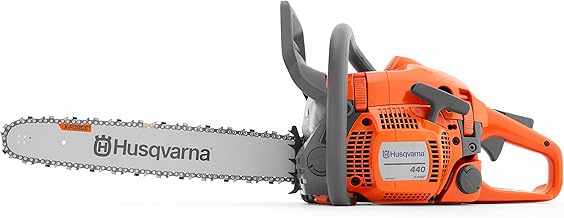
For both brands, operational lifespan hinges on proper fuel management. Running a strict 50:1 ratio of high-octane premium unleaded gasoline (ethanol-free 91+ octane preferred) mixed with high-quality ISO-L-EGD certified two-stroke oil will prevent piston scoring and lean carburetor seizures. Regular inspection of chainsaw chains and bars ensures that you never run a dull chain, which forces the engine to run excessively hot due to reduced airflow and excessive drag.
| Feature | Husqvarna | Stihl |
|---|---|---|
| Price | Generally lower | Higher, professional-grade |
| Specs | Lightweight, ergonomic, fuel-efficient | Rugged, durable, higher torque |
| Longevity | Long-lasting with maintenance | Extremely durable, decades of use |
| Electric Models | Lightweight, eco-friendly | Powerful, professional-grade |
| Professional Preference | Popular for ergonomics | Preferred for durability |
Battery and Cordless Lineups: Husqvarna i-Series vs Stihl AP System
The cordless chainsaw revolution has moved far beyond small home trimming tools into serious professional forestry and commercial arboriculture. Husqvarna’s 36-volt battery system (powering saws like the 540i XP) focuses heavily on high chain speed—reaching upwards of 24 m/s—which rivals many 40cc gas chainsaws. Their balance and thin-kerf chain options make them ideal for in-canopy climbing, residential tree care, and noise-sensitive urban zones.
Stihl’s 36-volt AP Battery System (anchored by models like the MSA 220 C-B and MSA 300) delivers exceptional torque density and rugged, weather-resistant IPX4 construction. The MSA 300, in particular, handles full-size 3/8" pitch chains with ease, bridging the gap to 50cc gas performance. While battery equipment carries a higher initial purchase price due to lithium-ion packs and fast chargers, the zero-emission profile, instant trigger response, and elimination of premix gas make battery models compelling for both homeowners and professional crews.
Which Brand Should You Choose?
If your primary cutting work involves felling, limbing softwoods, high-speed cutting, or working in conditions where powerhead weight directly impacts your physical stamina, leaning toward a Husqvarna saw with an X-Torq engine and Air Injection is an outstanding choice. If you are predominantly bucking large hardwood logs, demand maximum lugging torque, or require immediate access to a massive local dealer network for counter parts and warranty service, buying a Stihl chainsaw will deliver years of dependable, rugged service. First-time buyers should start by assessing the maximum timber diameter on their property, matching engine displacement (35-40cc for light duty, 50cc for general property maintenance, 60cc+ for heavy forestry), and stocking mandatory safety gear including cut-resistant chaps, eye protection, and helmet systems before making their purchase.
Frequently Asked Questions
Can I use Husqvarna bar oil in a Stihl chainsaw?
Yes. Premium bar and chain oil from any reputable outdoor power equipment brand can be used interchangeably, provided it offers proper viscosity and tackifier additives to adhere to the guide bar under high speeds.
Do professionals prefer Husqvarna or Stihl?
Professional preference is largely split by discipline and region. Commercial arborists and loggers frequently use both; Husqvarna is widely favored for limbing and high-speed felling, while Stihl is immensely popular for big-wood bucking and heavy timber processing.
What fuel ratio do Husqvarna and Stihl chainsaws use?
Both manufacturers specify a 50:1 gas-to-oil mixture ratio using 89 or higher octane unleaded gasoline mixed with high-performance 2-stroke air-cooled engine oil.
Are Stihl chainsaws sold in big-box home improvement stores?
No, Stihl products are sold exclusively through servicing STIHL dealers to ensure proper assembly, PDI (Pre-Delivery Inspection), and warranty support. Husqvarna chainsaws are available through both independent power equipment dealers and major retail home centers.