Disclosure: As an Amazon Associate, we earn from qualifying purchases.
The Stihl MS251 Wood Boss stands out as one of the most reliable mid-range gas chainsaws on the market today. Powered by a 45.6 cc engine delivering 3.0 horsepower (2.2 kW), this saw bridges the gap between lightweight homeowner units and heavy-duty professional machines. However, even a high-torque two-stroke engine cannot perform up to its potential if it drives an ill-matched or dull chain loop. Matching the correct pitch, gauge, drive link count, and cutter style to your MS251 is essential for achieving smooth cuts, maintaining fuel efficiency, and preventing premature bar wear.Quick answer: An 18-inch bar on the Stihl MS251 natively utilizes a .325-inch pitch chain with 68 drive links, available in either .063-inch or .050-inch gauge depending on whether you run standard Stihl Rollomatic bars or the newer Light 04 system. For general firewood cutting and mixed hardwood pruning, a semi-chisel profile like the Stihl 26RM3 offers the optimal balance of longevity and reduced kickback, while clean softwoods benefit from a full-chisel 26RS chain for maximum cutting velocity.
Understanding Stihl MS251 Chain Specifications: Pitch, Gauge, and Drive Links
Every chainsaw cutting system relies on three fundamental dimensions that must perfectly match the powerhead's drive sprocket and the guide bar's running groove. Installing a chain with incorrect sizing causes severe drive lug damage, thrown chains, or complete sprocket failure. For the Stihl MS251, understanding these three technical measurements guarantees seamless compatibility and safe operation on every job.
Pitch defines the distance between any three consecutive rivets divided by two. The Stihl MS251 primarily utilizes a .325-inch pitch arrangement, which provides significantly smoother cutting and faster chip removal than smaller 3/8-inch Low Profile (Picco) chains, while demanding less power from the 45.6 cc engine than standard 3/8-inch professional chains. Matching the pitch of your drive sprocket, guide bar nose sprocket, and replacement loop is non-negotiable.
Gauge measures the thickness of the drive links—the inner teeth that fit into the guide bar groove and transport bar oil. Stihl traditionally equipped the MS251 with a .063-inch (1.6 mm) gauge setup. However, recent production models and updated Light 04 guide bar conversions feature a .050-inch (1.3 mm) gauge. Always check the stamped markings near the tail of your guide bar before ordering replacement loops to ensure you choose between .063-inch and .050-inch gauge options.
The drive link count represents the total number of lower teeth on the loop, dictating its physical circumference. On an 18-inch guide bar with .325-inch pitch, the Stihl MS251 requires precisely 68 drive links. If you operate a shorter 16-inch bar configuration, you will need a 62 drive link chain. Never estimate chain length based solely on stated bar length, as drive link counts vary between powerhead manufacturers.
Comparing Chain Cutter Profiles: Semi-Chisel vs. Full-Chisel
Choosing the right cutter profile determines how aggressively your saw cuts into timber and how long the edge lasts between sharpenings. Chainsaw cutters feature either rounded corners or sharp, square corners, each designed for specific wood conditions and cutting tasks.
Semi-chisel chain loops feature cutters with a rounded corner radius between the top plate and side plate. This rounded edge holds its sharpness significantly longer when working through dirty wood, frozen timber, or bark contaminated with soil and sand. While semi-chisel cutters slice slightly slower than full-chisel alternatives in clean timber, their high tolerance for abrasive material makes them the preferred daily choice for landowners cutting firewood on the ground.
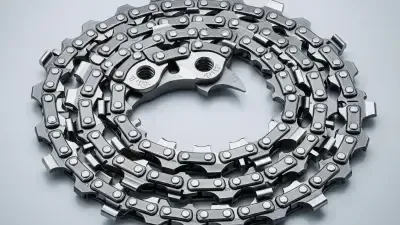
STIHL 3639 005 0068 (26RS 68) 18 Inch Length, .325 Pitch, .063 Gauge-68 Drive Lengths

Full-chisel chain loops incorporate razor-sharp, square-cornered cutters that bite deeply into wood fibers with minimal resistance. In clean hardwoods such as oak, maple, or walnut, a full-chisel loop cuts noticeably faster than semi-chisel setups. However, the delicate corner of a full-chisel tooth dulls rapidly if it contacts soil, dirty bark, or debris. Additionally, full-chisel configurations carry a higher kickback potential, requiring strict adherence to safety protocols and experienced saw handling techniques.
The table below summarizes key specifications and cutter characteristics for popular replacement options on the Stihl MS251:
| Chain Model | Pitch | Gauge | Cutter Style | Recommended Application |
|---|---|---|---|---|
| Stihl 26RM3 (Rapid Micro 3) | .325" | .063" (1.6 mm) | Semi-Chisel (Low Kickback) | Dirty firewood, limb pruning, general land clearing |
| Stihl 26RS (Rapid Super) | .325" | .063" (1.6 mm) | Full-Chisel | Clean hardwoods, fast felling, experienced operators |
| Stihl Light 04 .325" Loop | .325" | .050" (1.3 mm) | Semi-Chisel / Full-Chisel | Lightweight 18" bar conversions, fast narrow-kerf cutting |
| Oregon 22BPX / 20BPX SpeedCut | .325" | .063" / .050" | Micro-Chisel (Semi-Chisel) | Versatile storm cleanup, durable home firewood cutting |
Replacing and Installing the Chain on Your Stihl MS251
Replacing a worn or stretched chain loop on the Stihl MS251 is a straightforward procedure that takes less than ten minutes. Begin by switching off the ignition, setting the chain brake, and allowing the engine and guide bar to cool completely. Thermal expansion during heavy cutting will distort tension readings if you attempt to swap chains while components remain hot.
Use a standard Stihl combination wrench (scre wrench) to loosen the bar nuts securing the clutch cover. Remove the nuts, lift off the sprocket cover, and disengage the chain brake band. Next, rotate the side-access chain tensioner screw counterclockwise to back off the guide bar toward the drive sprocket. Lift the old chain loop off the clutch drum assembly and slide the bar free for thorough cleaning.
Clean sawdust build-up from underneath the clutch cover, around the oil outlet port, and along the entire length of the guide bar groove using a scraper tool or stiff brush. Inspect the guide bar rails for uneven wear or burring. Mount the guide bar back onto the collar studs, drape the new chain around the drive sprocket, and fit the drive links into the upper bar rail. Ensure the sharp cutting edges of the teeth on top of the bar point forward toward the nose sprocket.
Pro tip: New chain loops experience initial mechanical stretch during their first 5 to 10 minutes of operation. After installing a fresh loop on your MS251, make two or three light cuts through clean softwood, shut down the engine, and re-check chain tension immediately. Running a brand-new chain without this early readjustment risks throwing the loop off the bar, which can score the drive lugs and gouge the underside of your aluminum crankcase.
2PK Oregon 22LPX068G Chain 18" .325 .063 68 DL for 501 84 17-68, H26 68, 26RS 68

Chain Tensioning, Maintenance Intervals, and Sharpening Best Practices
Proper chain tension is vital for operator safety, cutting productivity, and component longevity. An overtightened chain increases friction, causing excessive heat build-up that destroys the guide bar nose sprocket and drains engine power. Conversely, a loose chain sags away from the bar groove, risking a dangerous chain derailment at operating speeds exceeding 9,000 RPM.
To set optimal tension on the MS251, pull the nose of the guide bar slightly upward while turning the side tensioning screw clockwise. Adjust the tension until the drive links on the bottom rail sit snugly against the bar, with no visible sag. You should be able to pull the chain easily along the bar by hand (wearing heavy leather gloves) while exposing full drive link tangs without binding. Once adjusted, tighten the bar nuts securely while maintaining upward pressure on the bar nose.
Maintain consistent service intervals to keep your cutting attachment operating at peak performance. Refill your bar oil reservoir every single time you top off your 50:1 2-stroke fuel mixture. Rotate your guide bar 180 degrees during every chain swap to ensure even rail wear on both sides. File down any burrs along the bar edges using a flat mill file, and clean out the oil feed hole to keep fresh lubricant flowing to the chain rivets.
When sharpening a .325-inch pitch chain loop, use a 3/16-inch (4.8 mm) round file held at a 30-degree stroke angle relative to the guide bar. File each cutter from the inside toward the outside using smooth, uniform forward strokes. Maintain depth gauge (raker) clearance at .025 inches (0.65 mm) below the top plate edge using a dedicated Stihl depth gauge tool to ensure smooth chip formation without severe chatter or grabby cutting action.
Optimizing Your Cutting Setup
For most landowners and firewood cutters using the Stihl MS251 Wood Boss, equipping an 18-inch bar paired with a .325-inch pitch, .063-inch gauge semi-chisel chain (such as the Stihl 26RM3) delivers the most versatile performance. If you cut primarily clean, soft timber and prioritize maximum speed, step up to a full-chisel loop like the Stihl 26RS. Inspect your guide bar rails regularly, maintain proper 50:1 fuel mixing and bar oil delivery, and re-tension new chains after your first few cuts to keep your equipment running safely and efficiently.
Frequently Asked Questions
What file size do I need to sharpen my Stihl MS251 chain?
STIHL 23RS 68 Rapid Super Chainsaw Chain Fits 18" Bar .325 Pitch .050 Gauge 68DL

For standard .325-inch pitch chains commonly fitted on the Stihl MS251, use a 3/16-inch (4.8 mm) round chainsaw file. Ensure you file at the recommended 30-degree top plate angle and maintain raker depth at .025 inches.
Can I put a 20-inch bar and chain on a Stihl MS251?
While a 20-inch bar can physically fit the MS251 mounting studs, it is not recommended for regular use. The 45.6 cc engine delivers optimum oiling and torque output with 16-inch or 18-inch bar lengths. Running a 20-inch bar bogs down engine RPM and accelerates clutch wear.
How do I know if my MS251 chain uses .050 or .063 gauge?
Check the stamped technical specifications near the tail of your guide bar. Stihl guide bars explicitly state the bar length, pitch, gauge, and drive link count. Older MS251 models typically use .063-inch gauge, while newer models equipped with Light 04 bars use .050-inch gauge.
Why does my new chain loosen up after a few cuts?
New Chainsaw Chains undergo initial mechanical seating where rivets and drive link holes settle under tension. This initial stretch is completely normal. Stop the engine after your first few light cuts, let the bar cool slightly, and readjust chain tension before continuing work.
Sources
- STIHL Official Website & Technical Product Data
- American National Standards Institute (ANSI) B175.1 Safety Requirements for Chainsaws
- Occupational Safety and Health Administration (OSHA) Logging Safety Guidelines (1910.266)
Looking for the Right Gear?
Check out our verified Top Professional Chainsaws & Safety Gear Essentials on Amazon.
As an Amazon Associate, we earn from qualifying purchases.