Quick answer: Ryobi is the superior choice if you already own their 18V ONE+ or 40V battery platform and need a lightweight, low-maintenance saw for light-to-medium yard cleanup and pruning. Craftsman wins for heavier cutting tasks and continuous operation, offering robust 2-stroke gas engines (42cc to 46cc) and durable corded or battery models capable of tackling fellings and firewood bucking with ease.
Engine Performance, Power Delivery, and Fuel Ecosystems
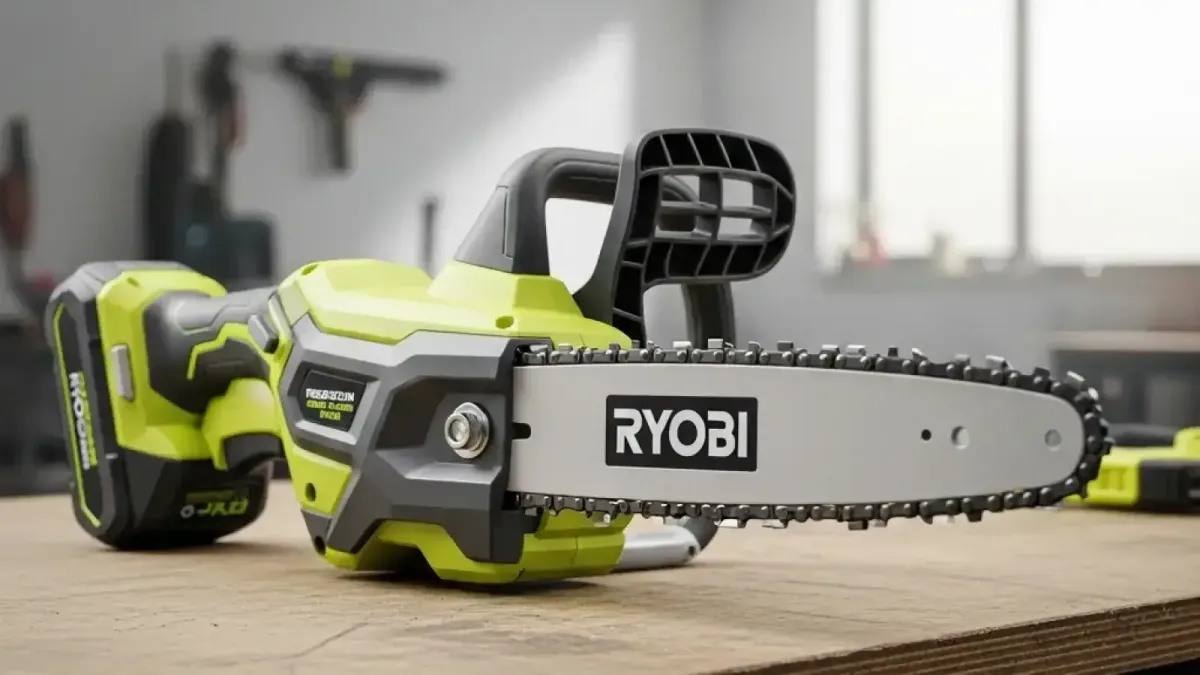
When evaluating cutting performance, power delivery dictates how effectively a saw powers through hard woods like oak or maple versus softer pine. Ryobi’s top-tier battery saws utilize 40V HP Brushless technology, delivering high torque without the noise, emissions, or carburetor hassles of gas engines. Their brushless motors automatically adjust power based on resistance, maintaining high chain speed under load. For lightweight pruning, Ryobi’s 18V ONE+ series offers unmatched convenience, though it struggles when buried in logs wider than 8 inches.
Craftsman maintains a strong presence in the 2-stroke gas market, producing popular models like the S165 (42cc) and S185 (46cc). These two-stroke engines deliver raw rotational force and consistent top-end RPM, allowing users to buck firewood for hours without waiting on battery recharges. Gas engines require a proper 50:1 fuel-to-oil mix using fresh unleaded gasoline and two-cycle air-cooled engine oil. For users comfortable with basic small-engine maintenance—such as cleaning air filters and adjusting carburetors—Craftsman's gas lineup provides sustained power that battery saws in this price tier cannot match continuously.
Electric battery technology has narrowed the gap considerably, but runtime remains the ultimate differentiator. A Ryobi 40V 4.0Ah battery typically yields around 50 to 80 cuts through 6-inch oak logs on a single charge. Conversely, a Craftsman 42cc gas saw with a 14-ounce fuel tank runs for roughly 30 to 45 minutes of active cutting, depending on throttle management and wood density. Refueling a gas saw takes two minutes, while recharging a high-capacity lithium-ion battery takes anywhere from 40 to 90 minutes unless you invest in multiple spare packs.
Pro tip: On brand-new chainsaws—whether gas or battery—the saw chain stretches rapidly during its first 15 minutes of active cutting due to friction heat and initial mechanical seating. Always recheck and adjust chain tension after your first few cuts to prevent the drive links from throwing off the guide bar tracks, which can ruin the bar rails or damage the drive sprocket.
Guide Bars, Chain Pitch, and Cutting Speed
The cutting system components—specifically the guide bar, chain pitch, and chain gauge—determine cutting efficiency and operator control. Ryobi primarily equips its battery saws with low-profile 3/8-inch pitch chains featuring a .050-inch gauge. These narrow-kerf chains remove less wood material per revolution, minimizing motor drag and maximizing battery life. Guide bar lengths on Ryobi saws range from small 8-inch pruning poles up to 18-inch brushless models, with 12 to 14 inches being the sweet spot for balance and power delivery.
| Feature | Ryobi Chainsaw | Craftsman Chainsaw |
|---|---|---|
| Power Source | Primarily battery (18V, 40V) | Gas and battery options |
| Weight | Lightweight (8–12 lbs) | Moderate (10–14 lbs) |
| Bar Length | 10–14 inches | 12–16 inches |
| Target User | Homeowners, DIYers | Homeowners, light professionals |
| Price Range | Affordable ($120–$200) | Mid-range ($150–$250) |
| Maintenance | Low (battery-based) | Moderate (gas requires upkeep) |
Craftsman gas models frequently feature 16-inch to 20-inch guide bars equipped with standard 3/8-inch low-profile or .325-inch pitch chains. The larger drive sprockets on Craftsman gas units generate chain speeds exceeding 20 meters per second (m/s), enabling faster chip clearance and aggressive cutting action. However, faster chain speed demands vigilant chain lubrication. Both brands feature automatic chain oilers, but Craftsman's adjustable oil pumps on select gas models allow users to increase bar oil flow when cutting sticky, resinous pine or thick hardwoods.
Understanding kickback potential is vital for residential saw operation. Both manufacturers fit low-kickback saw chains (ANSI B175.1 compliant) on their consumer models. These chains feature specialized bumper drive links that limit the depth of cut taken by each tooth, preventing the bar nose from jumping upward if it contacts hidden branches or log debris. Maintaining sharp cutter teeth with a standard 5/32-inch round file keeps cutting pressure light and prolongs both battery runtime and engine life.
Key Specification Comparison: Ryobi vs Craftsman
To evaluate how these brands compare head-to-head across key mechanical and operational metrics, consider the performance specs of their flagship homeowner models:
| Feature / Specification | Ryobi 40V HP Brushless 18" | Craftsman S185 46cc Gas 18" |
|---|---|---|
| Power Source | 40V Lithium-Ion Battery | 46cc 2-Stroke Gas Engine |
| Guide Bar Length | 18 inches | 18 inches |
| Chain Pitch & Gauge | 3/8" Low Profile, .050" | 3/8" Low Profile, .050" |
| Weight (Powerhead + Bar) | Approx. 10.4 lbs (without battery) | Approx. 13.2 lbs (dry weight) |
| chain tensioning System | Too-less / Side-Access Combo | Side-Access Screwrench Mechanism |
| Chain Speed / Engine Output | Approx. 15 m/s | Approx. 2.4 hp / 11,000 RPM max |
| Fuel / Battery System | Ryobi 40V System | 50:1 Pre-Mix Gas / Oil |
| Primary Application | Yard clean-up, storm debris, light felling | Firewood bucking, medium felling, clearing |
Ergonomics, Safety Features, and Handling
Tool ergonomics direct control and operator fatigue during prolonged cutting sessions. Ryobi excels in weight distribution on its cordless platforms. By placing the battery receptacle close to the rear handle, the balance point sits directly under the primary wrap-around handle. This makes maneuvering through overhead limb pruning or angled notches intuitive and less taxing on arms and shoulders. Furthermore, electric motors create zero idle vibration, preventing the hand-arm numbness associated with prolonged power tool usage.
Craftsman gas chainsaws incorporate multi-point anti-vibration rubber isolation mounts between the engine crankcase and handle frame. While this significantly absorbs 2-stroke engine buzz, the physical mass of a gas tank, engine block, and muffler makes these saws inherently heavier—often pushing 13 to 15 pounds when fully fueled and filled with bar and chain oil. For ground-level log bucking, this extra mass actually assists down-force, but for overhead limbing, it accelerates user fatigue.
Safety systems remain non-negotiable regardless of power source. Both brands equip their full-size saws with functional inertia-activated chain brakes. In a kickback event, the operator's wrist strikes the handguard, locking the chain brake in milliseconds to stop rotational movement. Ryobi’s battery units feature electronic sensors that instantly cut motor power when the brake triggers, preventing electrical burnouts. Proper Personal Protective Equipment (PPE)—including chainsaw chaps, safety glasses, ear protection, and steel-toe boots—is mandatory whenever running either machine.
Maintenance Schedules, Ecosystem Value, and Durability
Long-term reliability depends heavily on routine care and winterization routines. Ryobi battery chainsaws require minimal mechanical upkeep: clean the bar groove of packed sawdust, keep the chain sharpened, check the oil reservoir, and store batteries indoors at room temperature. The primary point of failure on battery models is usually thermal overload protection