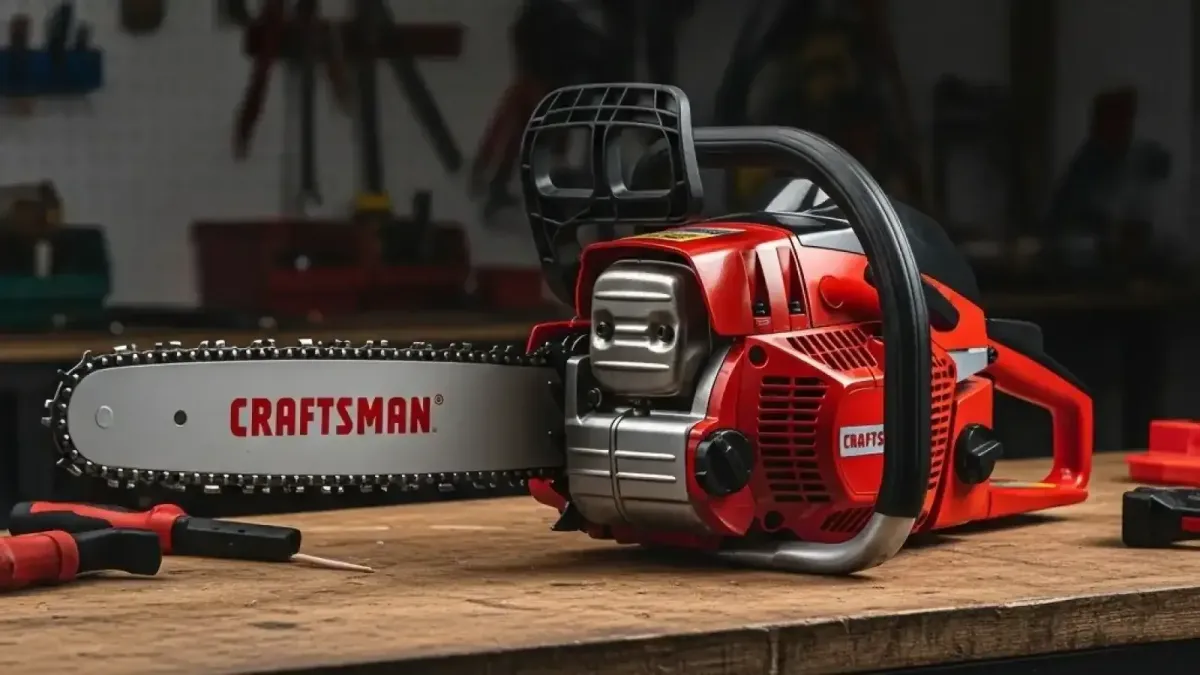
Quick answer: The craftsman 16 inch chainsaw (36cc gas) is an affordable, user-friendly tool engineered for light-to-medium yard maintenance, limbing, and bucking firewood. While it lacks the high-rpm durability of commercial saws like Stihl, its low-kickback setup, lightweight chassis, and accessible replacement parts make it a reliable value for home use.
Engine Performance and Core Specifications
At the heart of the Craftsman 16-inch gas platform sits a 2-stroke, 36cc full-crank engine. Full-crank engine design significantly reduces vibration and extends internal component lifespan compared to cheaper half-crank alternatives. Operating on a standard 50:1 fuel-to-oil mixture (using 89+ octane ethanol-free gasoline blended with high-grade two-cycle oil), this powerhead produces approximately 1.5 to 1.8 horsepower. This output generates ample chain speed to slice smoothly through softwood pine as well as moderate hardwoods like cherry and maple.
The standard cutting apparatus features a 16-inch sprocket-nose guide bar paired with a low-profile 3/8-inch pitch chain running a .050-inch gauge. This specific chain geometry, often classified as 3/8" LP (Low Profile) or Picco, minimizes the engine power required to push through a cut by taking a narrower kerf. It also reduces operational kickback energy, meeting strict safety guidelines for non-professional operators.
| Specification | Craftsman S165 16-Inch | Typical Entry-Level Competitor |
|---|---|---|
| Engine Displacement | 36cc (2-Stroke, Full-Crank) | 30cc - 35cc (Half-Crank) |
| Bar Length / Drive Gauge | 16 Inches / .050" Gauge | 14 - 16 Inches / .050" Gauge |
| Chain Pitch & Type | 3/8" Low Profile (56 Drive Links) | 3/8" Low Profile (52-56 Links) |
| Fuel / Oil Ratio | 50:1 (Gasoline to 2-Cycle Oil) | 40:1 or 50:1 |
| Dry Weight (Powerhead) | 10.4 lbs (4.7 kg) | 11.0 - 12.5 lbs |
Weight distribution is another major factor contributing to the ergonomics of this machine. Weighing roughly 10.4 pounds dry, the powerhead allows users to execute overhead pruning cuts and low bucking passes without rapid shoulder strain. An integrated anti-vibration system isolates the rear handle from the engine crankcase, absorbing high-frequency harmonics before they reach your hands.
Real-World Cutting Efficiency and Handling
When operating a 16-inch setup on small properties, maneuverability is usually more critical than sheer engine displacement. The Craftsman 36cc engine shines when dropping small trees under 10 inches in trunk diameter and cleaning up storm debris. The balance point sits slightly forward of the front wrap-around handlebar, encouraging natural down-pressure into the cut without forcing you to muscle the saw through the wood.
Pro tip: Brand new chains stretch rapidly during their first 15–20 minutes of active cutting due to friction heat and initial mechanical seating. After making your first few cuts on a fresh log, shut off the engine, engage the chain brake, let the bar cool for two minutes, and check your drive link sag. Tensioning the chain while red-hot can cause severe crankshaft or bar bearing damage once the metal cools and contracts.
Starting procedures have historically been a point of friction for budget 2-stroke equipment, but Craftsman addresses this with an easy-pull spring-assisted recoil system combined with a multi-position choke lever. By depressing the purge bulb 5 to 7 times, setting full choke, and pulling until the engine "pops," you can typically drop to half-choke and fire up the unit within three to four pulls—even during chilly morning yard sessions.
Maintenance, Replacement Parts, and Chain Tensioning
Keeping a chainsaw operating at peak efficiency requires consistent care. The bar and chain must receive constant lubrication from the automated oiler pump. Always use a dedicated bar and chain lubricant featuring tackifier additives rather than waste motor oil; proper oil prevents high-speed thermal expansion that ruins drive links and warps guide rails.
- Air Filter Servicing: Clean the felt or foam air filter element every 5 tanks of fuel by washing it in warm, soapy water and letting it dry completely.
- Spark Plug Maintenance: Replace the standard Champion RCJ6Y (or equivalent) spark plug annually, gapping it to precisely .025 inches.
- Chain Sharpening: Maintain the cutters using a 5/32-inch (4.0mm) round file held at a 30-degree filing angle relative to the top plate.
- Bar Care: Clean sawdust from the guide bar groove and grease the nose sprocket bearings every time you install a new chain.
Accessing replacement components for Craftsman products is remarkably straightforward. Standard replacement chains call for a 16-inch length, 3/8" LP pitch, .050" gauge with 56 drive links (such as an Oregon S56 or Husqvarna H37-56). Should you warp the guide bar, universal 16-inch A041 motor-mount bars drop straight onto the studs without fitting modifications.
Craftsman vs. Commercial Chainsaw Brands
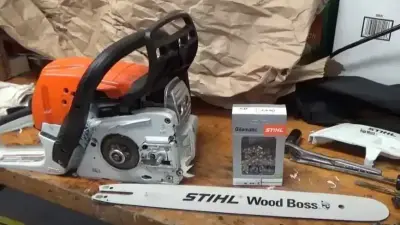
It is helpful to contextualize where the Craftsman 16 Inch Chainsaw stands when compared against prosumer brands like Stihl (such as the MS 170 or MS 180) or Husqvarna (120 Mark II). Stihl models utilize magnesium crankcases and higher operating RPMs, allowing them to withstand hours of daily commercial abuse. However, those professional refinements come at nearly twice the initial purchase price.
For a homeowner who cuts two to three cords of firewood a year or clears fallen limbs after seasonal thunderstorms, Craftsman delivers about 85% of the cutting speed at a fraction of the cost. The composite polymer body housing resists impact damage from falling limbs while keeping total tool weight lower than metal-cased professional alternatives. As long as you avoid burying the 16-inch bar in 20-inch hardwood logs for hours on end, the Craftsman powerhead holds up admirably over years of domestic service.
Safety Requirements and Operational Techniques
Working with any gas-powered forestry tool demands strict adherence to personal protective equipment (PPE) protocols. Before pulling the recoil starter, ensure you are wearing heavy-duty chainsaw chaps lined with cut-retardant Kevlar or Engtex fibers, steel-toe work boots, protective safety glasses conforming to ANSI Z87.1, and ear protection rated for at least 25 dB of noise reduction.
Proper cutting posture prevents kickback accidents—which occur when the upper quadrant of the guide bar tip makes contact with solid wood or hidden debris. Maintain a firm, two-handed grip on the handles at all times, keeping your left thumb wrapped completely around the front bar. Never operate the saw above shoulder height or stand directly behind the bar path; positioning your body slightly to the left ensures that if a kickback event occurs, the bar swings harmlessly past your right shoulder.
For optimal results, buy a Craftsman 16-inch gas chainsaw if your primary needs involve routine yard maintenance, storm cleanup, or trimming firewood under 12 inches in diameter. Your very first action after unboxing should be adding high-quality bar oil and mixing fresh, ethanol-free 50:1 fuel to protect the engine's piston rings during initial engine break-in.
Frequently Asked Questions
What is the correct gas-to-oil mix ratio for a Craftsman 16 inch gas chainsaw?
Craftsman gas chainsaws require a 50:1 mixture of 89-octane unleaded gasoline to high-grade 2-stroke engine oil. This equals roughly 2.6 fluid ounces of 2-cycle oil per 1 gallon of gasoline.
Can I put an 18-inch bar on my Craftsman 36cc chainsaw?
While an 18-inch bar may physically bolt onto the chassis studs, it is not recommended for a 36cc engine. The added drag reduces chain speed significantly, bogs down the clutch, and can cause premature engine overheating.
Why is my Craftsman chainsaw chain stopping while the engine runs?
This issue is typically caused by an engaged chain brake, insufficient chain tension causing binding in the bar groove, or a worn centrifugal clutch assembly slipping under load.
Sources
- American National Standards Institute - ANSI B175.1 Chainsaw Safety Standards
- Occupational Safety and Health Administration - OSHA 1910.266 Logging Operations
- Craftsman Official Power Equipment Documentation & Technical Specifications