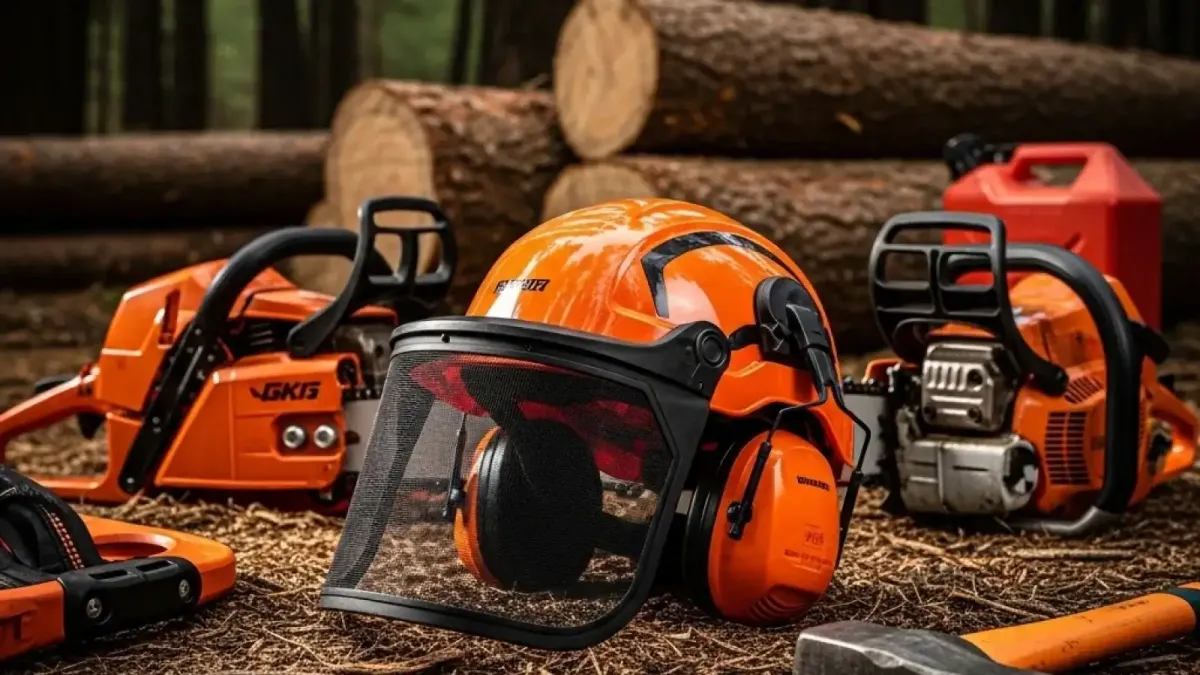
Operating a chainsaw is inherently dangerous work, exposing the user to falling limbs, flying wood chips, and extreme noise levels. For both professional loggers and dedicated homeowners, a high-quality, integrated chainsaw helmet is not just recommended—it's an absolute necessity. These specialized helmets combine head protection, hearing protection, and face shielding into one unified system, dramatically enhancing safety and reducing fatigue.1
This comprehensive guide will explore the essential features of a top-tier chainsaw helmet, examine the leading professional options like the Chainsaw helmet Husqvarna, Chainsaw helmet STIHL, and the highly regarded systems from Chainsaw helmet 3M, and analyze the factors that influence the Chainsaw helmet price.
🔑 Anatomy of the Best Chainsaw Helmet
What sets a dedicated forestry helmet apart from a standard construction hard hat? It’s the integrated, triple-protection system that ensures all critical areas of the head are covered simultaneously.
1. Head Protection (The Helmet Shell)
The shell itself must meet specific safety standards, typically EN 397 (Industrial Safety Helmets) or, increasingly for arborists, EN 12492 (Climbing Helmets).2
- Material: Usually High-Density Polyethylene (HDPE) or ABS plastic. Look for UV stabilization, as sunlight degrades plastic over time, requiring replacement every 3 to 5 years (a crucial safety lifespan often marked on the inside).
- Suspension: A high-quality helmet features a 6-point internal harness system and an adjustable ratchet or pin-lock system for a secure, comfortable fit.3 Comfort is key to ensuring the helmet is worn all day.
- Ventilation: Professional models, like the Husqvarna Technical Forest Helmet or the STIHL Advance X-Vent, incorporate mesh or adjustable vents to minimize sweating and maximize comfort during strenuous work.4
2. hearing protection (Earmuffs)
chainsaws operate well above the safe decibel limit (usually 100-115 dB). Integrated earmuffs are mandatory.
- Noise Reduction Rating (NRR) / SNR: This rating indicates the noise level reduction. For professional use, look for an NRR of at least 24 dB or an SNR (Single Number Rating) of 28 dB or higher.
- Design: The muffs should seal tightly around the ear, yet be comfortable enough for hours of use. They must be easily flipped up and down, and maintenance (replacing hygiene kits/pads) should be straightforward.
- Connectivity: High-end models from 3M and other brands now include integrated Bluetooth communication or FM radio capabilities—a major benefit for both safety (staying alert) and comfort (listening to music/podcasts).5
3. Face and Eye Protection (The Visor)
This shields the face from the constant stream of sawdust, chips, and small pieces of debris.
- Mesh Visor: The most common type, typically made of steel or nylon mesh. It provides excellent air circulation (reducing fogging) and high durability against wood chips. Its drawback is a slight reduction in light transmission.
- Clear Visor (Polycarbonate): Offers superior clarity and full blockage of fine dust and liquids (like oil or sap). It is often preferred for close-up work but is more prone to fogging and scratching.
- UltraVision / Non-Glare Mesh: Premium options, such as the UltraVision visors on some Husqvarna models, use specialized coatings or fine mesh to reduce light reflection and enhance visibility. An In-Depth Look at Forester Chainsaw Chain
🆚 The Brand Showdown: Husqvarna, STIHL, and 3M
When searching for the best chainsaw helmet, the conversation inevitably centers on the offerings from the world's leading saw manufacturers and a global safety giant.
Chainsaw Helmet Husqvarna
Husqvarna offers a range of helmets catering to different needs, all built on the principles of comfort and visibility.
- Husqvarna Classic: An excellent entry-level helmet with a robust shell, traditional mesh visor, and reliable hearing protection.7 It is a workhorse for the homeowner or occasional user at an accessible chainsaw helmet price.
- Husqvarna Functional: A step up, often featuring a textile 6-point harness and the distinctive UltraVision visor, which is highly praised for improving sight in low-light conditions.8
- Husqvarna Technical: The flagship model, designed for professionals. It often includes a one-hand ratchet fit system, superior ventilation, and in some versions, the advanced Mips Safety System (Multi-directional Impact Protection System) for enhanced rotational impact protection.
Chainsaw Helmet STIHL
STIHL's reputation for quality extends to its safety gear, with models designed for comfort and professional longevity.
- STIHL Function Basic: Similar to the Husqvarna Classic, this is STIHL's highly functional, affordable option for domestic use, featuring standard nylon mesh and adequate SNR 27 hearing protection.9
- STIHL Advance X-Vent: A professional model known for its highly ventilated ABS shell (X-Vent) and durable mesh or high-transmission visor.10 It focuses on reducing heat buildup and maximizing user comfort during long, physically demanding jobs.
- STIHL Advance X-Climb / ProCOM: These are high-end, sometimes arborist-specific, helmets. The ProCOM version integrates Bluetooth communication, setting the standard for connectivity and noise cancellation in forestry work, though this comes at a premium chainsaw helmet price.
Chainsaw Helmet 3M (Peltor)
While not a chainsaw manufacturer, Chainsaw helmet 3M (via its Peltor division) is a leader in industrial and professional safety equipment, particularly hearing protection.
- 3M Peltor G3000 / G500 / X5000: These industrial hard hats can be configured with specialized forestry kits (mesh visor, high-NRR earmuffs like the Optime series).11
- The Pro Choice: Many professionals seeking the absolute best chainsaw helmet often choose a high-end 3M/Peltor hard hat (like the G3000 or the new X5000, which is structurally identical to the STIHL X-Climb) and customize it with top-tier Peltor earmuffs and visors.12 This mix-and-match approach prioritizes ultimate comfort, protection, and the highest available NRR/SNR ratings. The durability and ease of finding replacement parts for the world-standard 3M system is a major advantage.
💲 Understanding Chainsaw Helmet Price and Value
The chainsaw helmet price spectrum is wide, driven by material quality, safety certifications, and integrated technology.
| Helmet Category | Key Features | Estimated Chainsaw Helmet Price Range | Best For |
| Basic Homeowner | Pin-lock harness, standard mesh, SNR 27. | $40 - $70 | Occasional users, light pruning, weekend firewood. |
| Professional/Functional | Ratchet adjustment, UltraVision/Better mesh, SNR 30, better venting. | $80 - $150 | Landowners, farmers, and heavy-duty semi-pro use. |
| Premium/Technical | Mips protection, advanced ventilation, Bluetooth options, high SNR (30+). | $160 - $300+ | Full-time loggers, arborists, and users prioritizing maximum comfort and technology. |
Important Note: Do not base your decision solely on the lowest chainsaw helmet price. Spending a bit more ensures better materials, a more comfortable fit, and superior hearing protection—features that protect your health and pay for themselves through reduced fatigue and increased safety.
💡 Choosing Your Ideal Chainsaw Helmet
To choose the best chainsaw helmet, follow these steps:
- Define Your Usage: Occasional user (Basic/Functional) or Professional (Technical/Premium)?
- Try It On: Comfort is paramount. The helmet should feel balanced, secure, and not wobble when bending over. A ratchet system allows for quick, easy adjustments.
- Check the Standards: Ensure the helmet meets your local safety standards (e.g., ANSI in the US, EN 397/EN 12492 in Europe).
- Prioritize Hearing: Always select a model with the highest possible NRR/SNR, especially if using a loud gas saw.
By choosing a reputable brand like Chainsaw helmet Husqvarna, Chainsaw helmet STIHL, or a modular system from Chainsaw helmet 3M, you invest in a critical piece of PPE that will offer years of reliable, integrated protection.